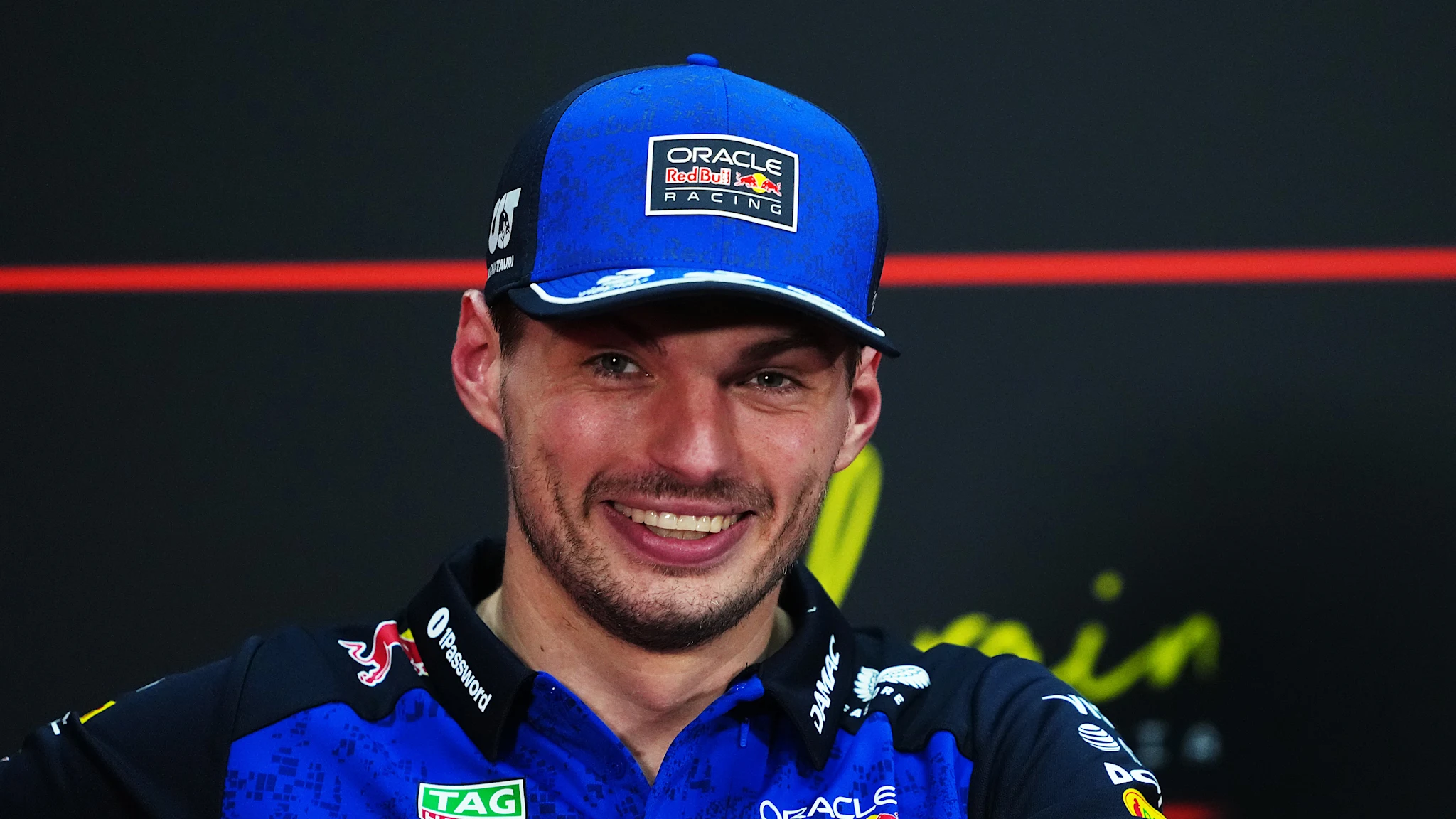
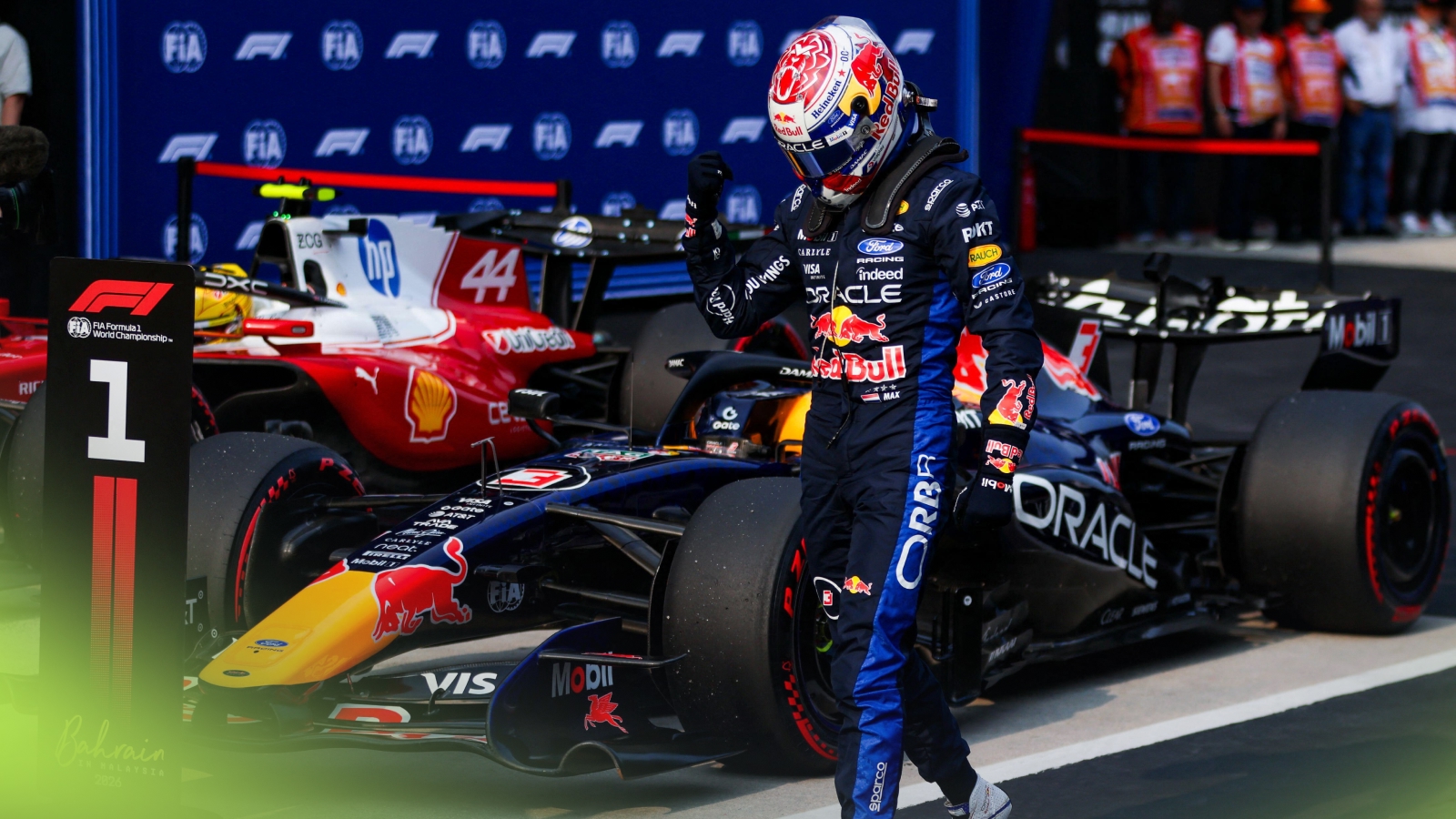
When Formula 1 returned to the North Sea coastline in 2021 after a 36-year hiatus, the revival was inextricably linked to the meteoric rise of Max Verstappen and the orange wave of support flooding the dunes. But as the 2026 FIA Formula One World Championship arrives at the coastal circuit for the weekend of August 21-23, teams and drivers face a bittersweet reality: this is set to be the final time Zandvoort hosts a grand prix for the foreseeable future, with the venue scheduled to exit the calendar for 2027.
Occupying the 14th round of the 2026 campaign, the event carries unique operational and aerodynamic demands. Originally designed following the Second World War with input from Sammy Davis and John Hugenholtz, the modern iteration has been completely re-configured to handle the immense downforce and braking loads of contemporary Formula 1 machinery. The circuit now spans 4.259 kilometers across 14 turns, featuring two DRS zones and dramatic elevation changes complemented by heavily banked corners, particularly at the opening and closing stretches of the lap.
The Sprint Weekend Variable and Circuit Demands
Adding to the strategic pressure of Zandvoort's narrow, undulating layout, the 2026 weekend is run under the sprint format. This compresses practice windows and places an immediate premium on team simulation work and set-up accuracy right out of the box. Engineers must balance high downforce requirements for the sweeping, banked apexes with low drag on the limited straights where DRS is active.
Tyre degradation and track position will dictate strategic trade-offs throughout the 70-lap, 297.640-kilometer main event. Because overtaking is notoriously difficult amid the sweeping curves carved through the Dutch sand dunes, qualifying execution on Saturday afternoon carries disproportionate championship weight. Teams unable to optimize their floor loads through the high-speed transitions risk getting trapped in dirty air, exposing their power units and brake ducts to severe thermal stress.
A Storied History Beneath the Dunes
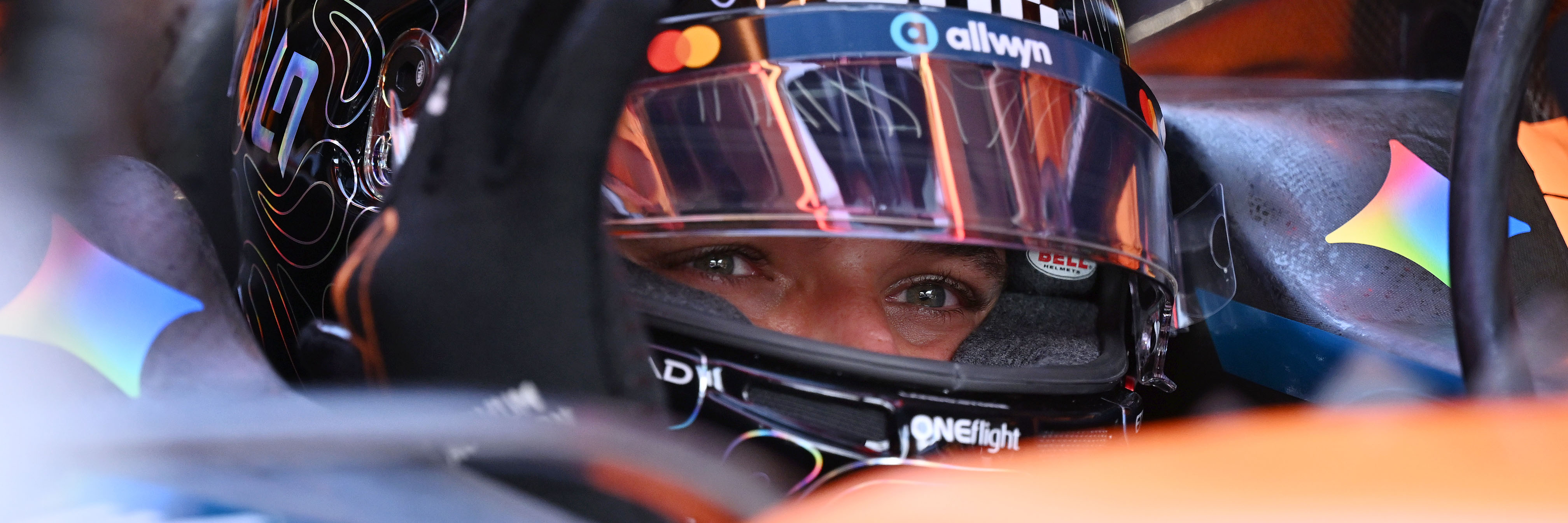
Zandvoort’s rich lineage is written into the sport's foundation, having first hosted non-championship events in 1948—where Prince Bira took victory for Thailand—before joining the official F1 World Championship in 1952. Over the decades, the track has witnessed triumphs from legends like Jim Clark, who leads the historical win tally in the Netherlands with four victories, alongside multi-time winners Jackie Stewart, Niki Lauda, and Max Verstappen, who share the next tier with three wins apiece.
Constructors' history at the venue is equally storied. Ferrari leads all manufacturers with eight victories at the Dutch Grand Prix, followed by Lotus with six, and McLaren and Red Bull tied with three triumphs each. Yet, the circuit is also shadowed by sobering reminders of motorsport's past safety evolution, including the tragic accidents of Piers Courage in 1970 and Roger Williamson in 1973—events that fundamentally altered marshaling standards and car construction protocols.
Logistical Realities and Travel Infrastructure
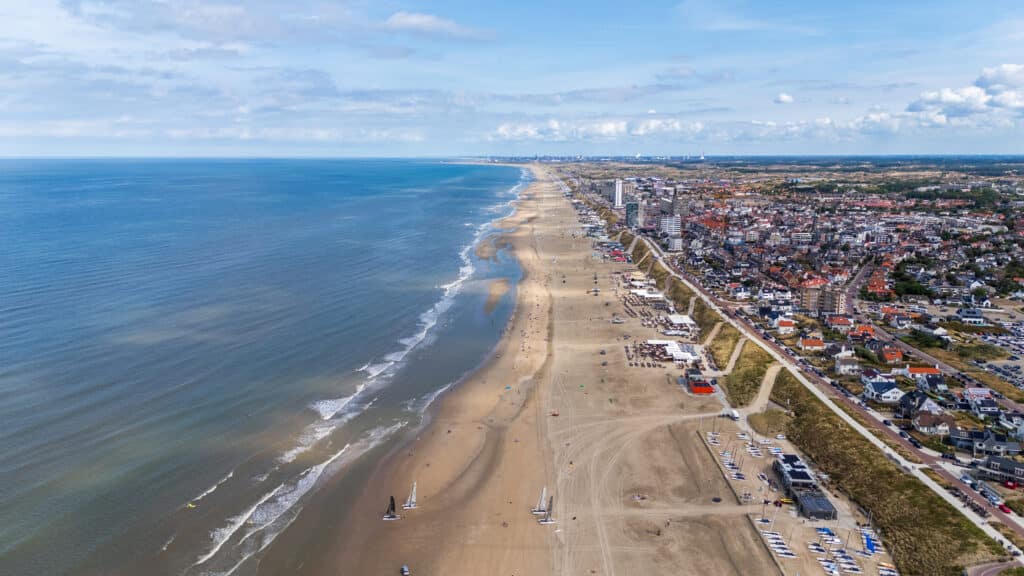
Beyond the pit lane, the Zandvoort weekend presents a distinct logistical rhythm compared to traditional European fixtures like Monza or Silverstone. Located roughly a half-hour from Amsterdam, the venue relies heavily on regional rail networks, with thousands of spectators utilizing the half-hourly train connection from Amsterdam Central Station directly to Zandvoort's coastal terminal.
As the lights go out on Sunday, August 23, at 14:00 BST for the final chapter of this Zandvoort era, the stakes extend beyond mere championship points. Teams must navigate a punishing layout that forgives no setup errors, all while racing against the clock before the Dutch Grand Prix signs off from the Formula 1 itinerary.
Sources
These sources formed the evidence pack for this article. Links open the original publisher; inclusion does not imply endorsement.
- matylda.cz original
- racingnews365.com original
- dutchtickets.gp original