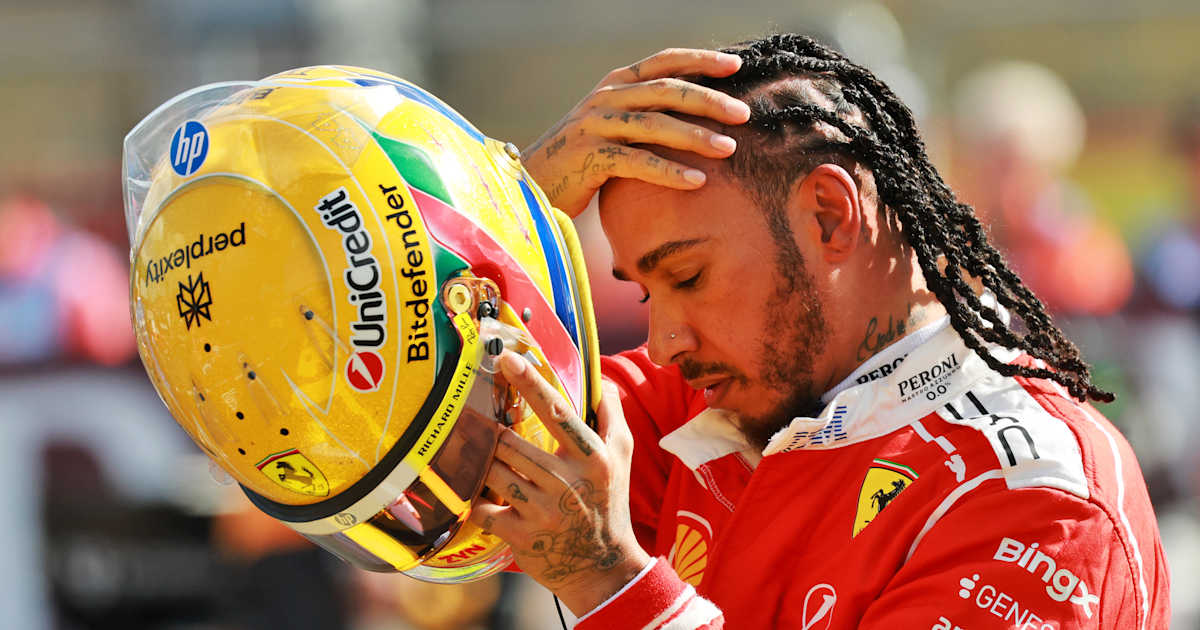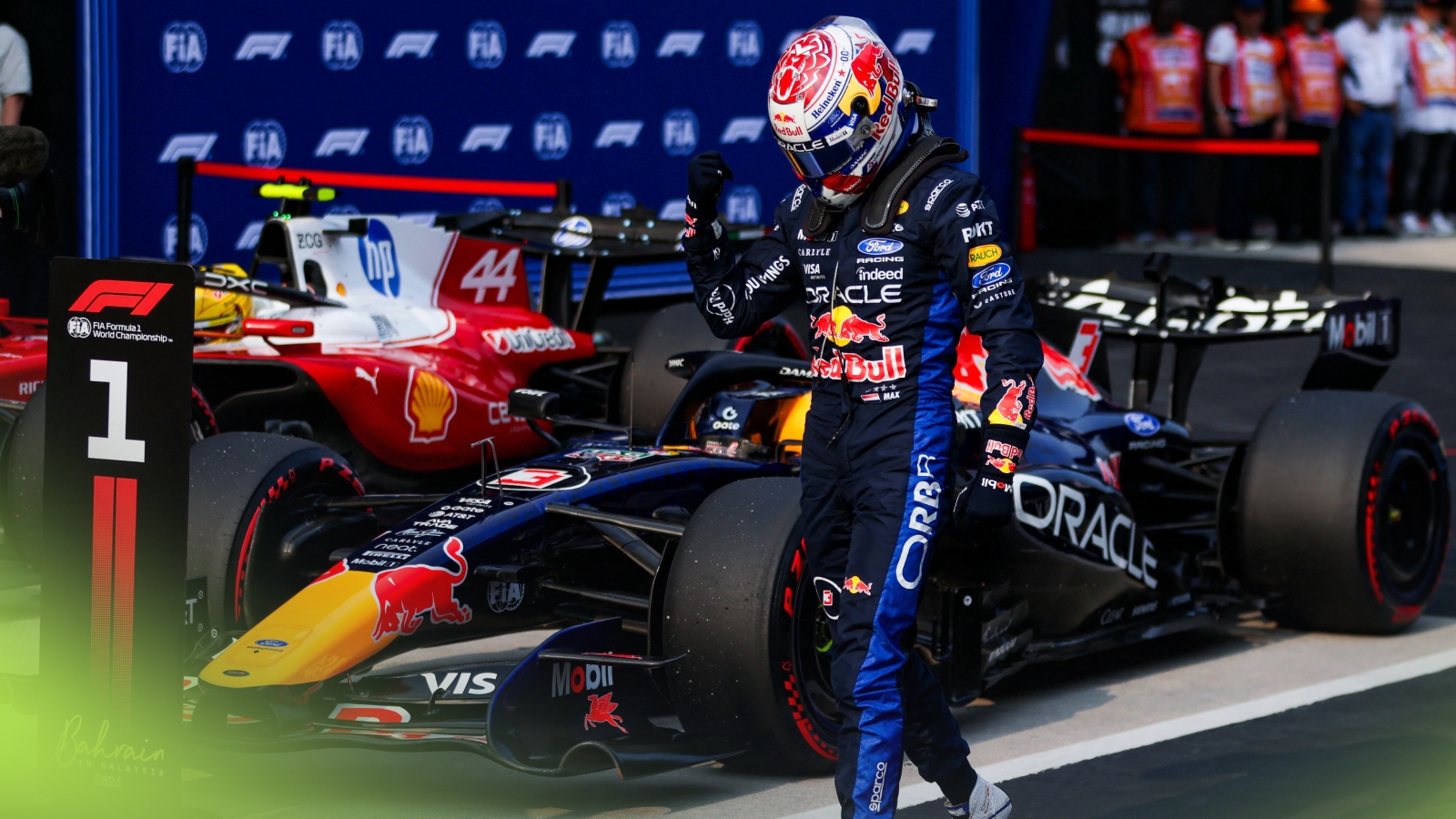
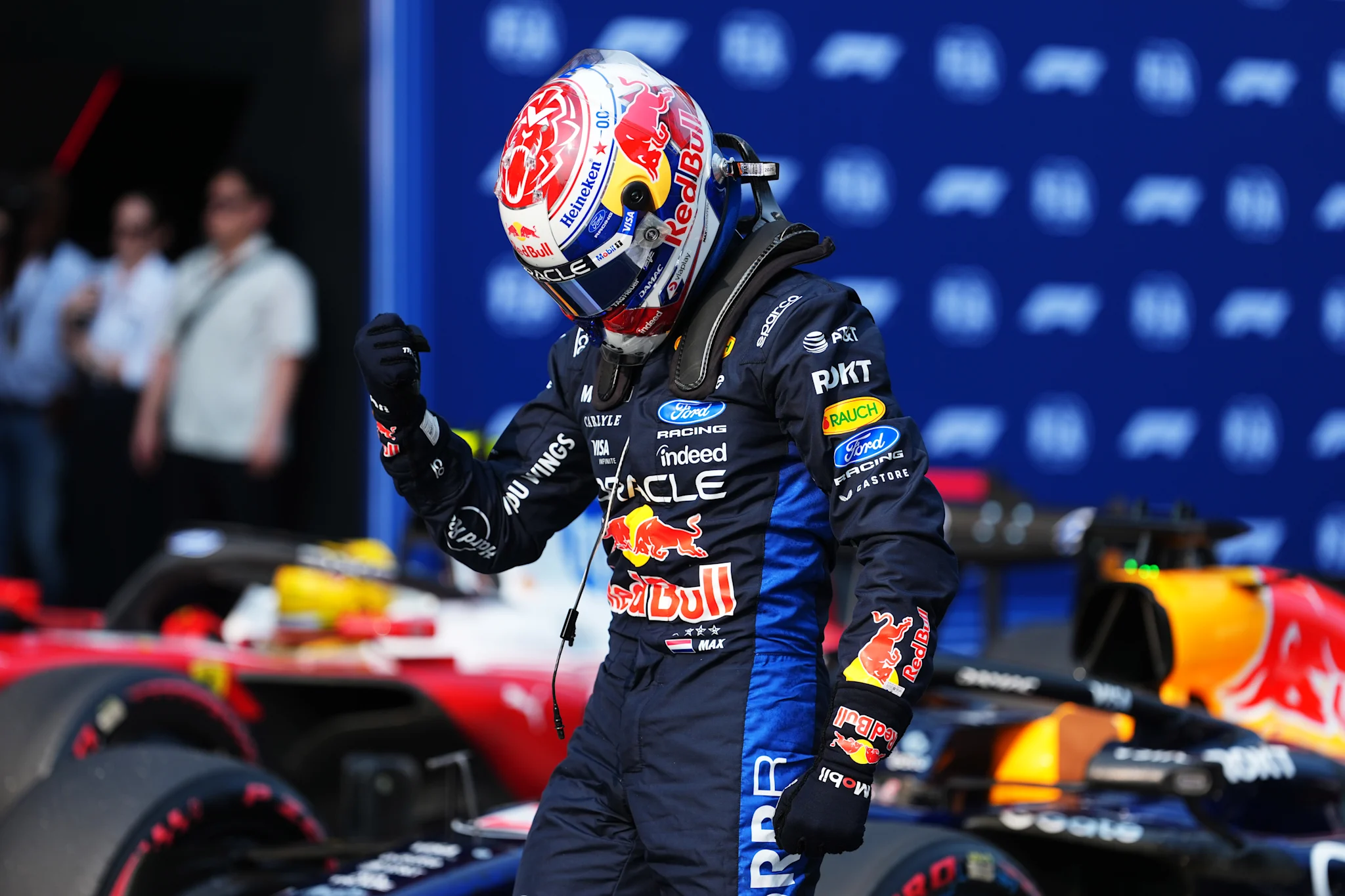
When Formula 1 last raced at the Sepang International Circuit nine years ago, Max Verstappen and Lewis Hamilton shared the front row. On Saturday afternoon in Malaysia, that iconic pairing reunited at the front of the field for the relocated 2026 Bahrain Grand Prix. Verstappen earned his first pole position of the 2026 campaign, setting the pace in qualifying with Hamilton alongside in second place to reignite a premier frontline rivalry on one of motorsport's most demanding circuits.
Qualifying Surprises and Grid Upheavals in Sepang Heat
Verstappen's pole lap offered a key milestone in a championship year dominated so far by Kimi Antonelli, who leads the driver standings on 302 points following an eight-win sweep that included victory in Spain. For Verstappen, who finished runner-up to George Russell last week in Azerbaijan, reaching the top of the timing sheets in Malaysia brought immediate validation.
blockquote>It’s a proud moment,
Verstappen said after securing his inaugural pole of 2026.
Beside him on the front row, Hamilton turned in a stellar Saturday performance around the 5.543-kilometer circuit.
blockquote>I knew I had it,
Hamilton noted, adding that he was so, so happy
with his qualifying run.
Behind the top two, the narrative revealed stark contrasts in driver satisfaction. Isack Hadjar secured third on the grid following his Baku podium, yet was brutally honest about his performance.
blockquote>It’s the first time in my life that I feel we did a terrible job and we’re third,
Hadjar admitted.
Further back, Charles Leclerc qualified fifth ahead of Sunday's race, noting he expects an interesting race.
Mercedes driver George Russell, fresh off his victory in Azerbaijan, could only secure eighth after grappling with setup difficulties.
It was a strange one out there today,
Russell reflected.
Toto Wolff acknowledged that broader issues affected Mercedes' single-lap form during qualifying under intense thermal conditions. Meanwhile, Gabriel Bortoleto reported feeling thoroughly connected
during a mega-lap,
and Pierre Gasly was pleased after achieving his team's objective as best of the rest.
Fernando Alonso declared the session his best Qualifying of the year.
Down the field, Liam Lawson suffered frustration after narrowly missing out on Q3, while Nico Hulkenberg fell in Q1 following a self-described lock-up, and Oliver Bearman endured a really messy weekend
to exit in the opening phase.
Geopolitical Shifts Prompt a Unique Calendar Substitution
The presence of the Bahrain Grand Prix at Sepang follows significant calendar adjustments forced by regional events. After war broke out in the Middle East in February 2026 involving attacks on Iran by the US and Israel, both the Bahrain and Saudi Arabian rounds were cancelled. Wanting the event to proceed, Bahrain Crown Prince Salman bin Hamad bin Isa Al Khalifa struck an agreement with Formula 1 to relocate the Bahrain Grand Prix to Malaysia, filling the logistical gap between the Azerbaijan and Singapore rounds.
Although the race takes place thousands of miles from the Persian Gulf, local organizers have maintained traditional Bahraini identity markers. The event retains its official title as the Bahrain Grand Prix, the official Bahrain trophy will be awarded on the podium, and rosewater will replace traditional podium champagne in keeping with Middle Eastern cultural practices regarding alcohol.
Sepang's High-Temperature Crucible
First opened in 1999 under then-Malaysian Prime Minister Dr Mahathir Mohamad and designed by Hermann Tilke, the 5.543-kilometer Sepang layout remains a benchmark modern facility. The circuit features sweeping sequences like Turns 5 and 6, heavy-braking zones, and the sharp Turn 15 hairpin that leads onto the main straight.
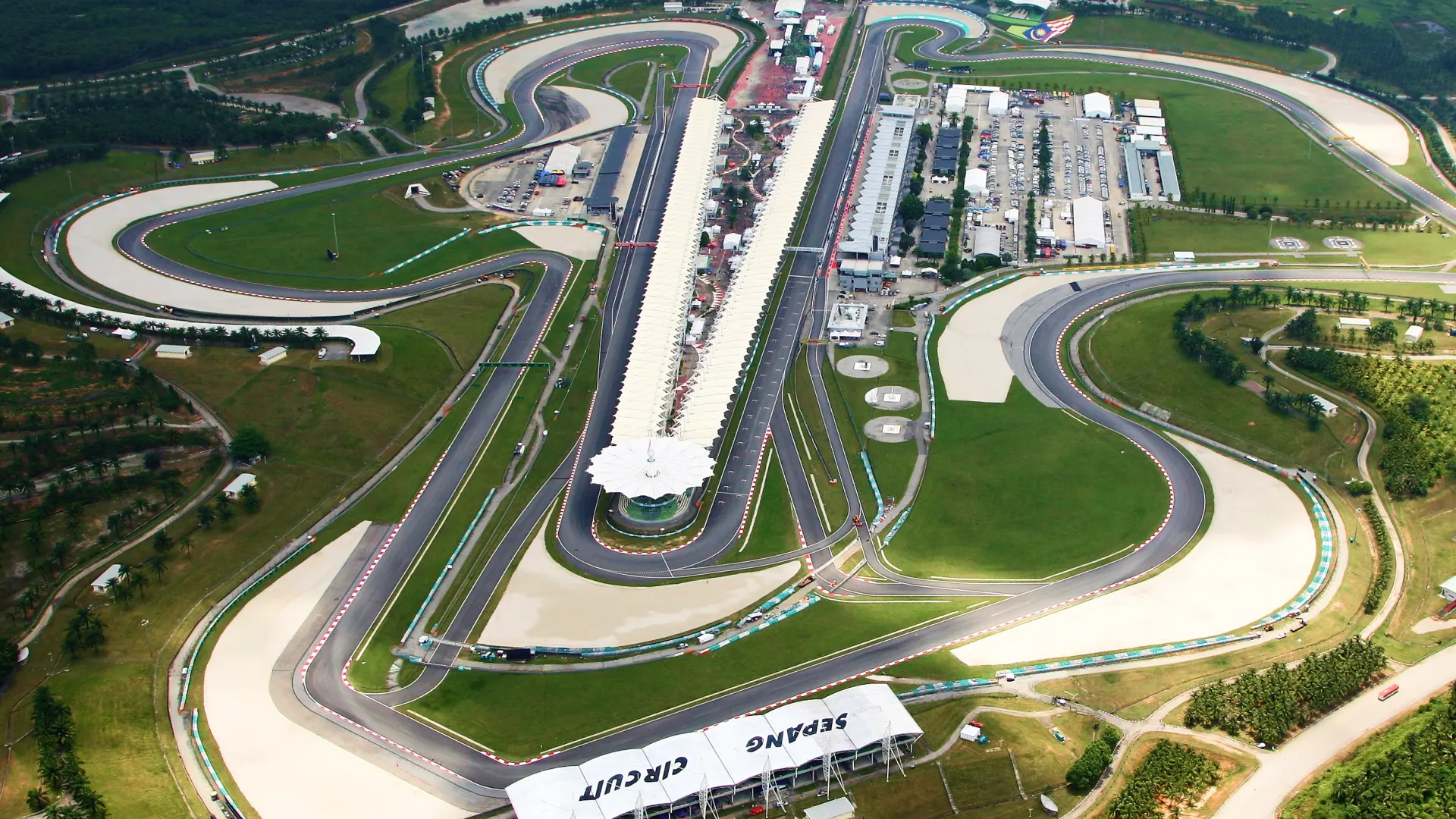
Managing extreme ambient temperatures and tropical humidity will be central to Sunday's race. Unlike typical evening sessions in Sakhir, Sepang's afternoon heat taxes tires and cooling packages heavily. Drivers who push too aggressively through the flowing middle sector risk severe thermal degradation before completing the long straights.
Evidence-Led Forecast: Race-Day Tactical Dynamics
Likely Tactical Pattern: Race strategy is expected to be dictated by severe thermal degradation and tire management. Controlling rear tire wear through Sepang's high-speed direction changes will determine stint length, making a multi-stop strategy highly probable as drivers protect compound integrity through the long final hairpin at Turn 15.
Decisive Matchup: The battle off the line between Verstappen and Hamilton down the main straight. With Sepang's wide surface permitting multiple attacking lines, whoever establishes track position through the opening sequence without damaging their tires will control the opening stint's rhythm.
Strongest Counter-Case: An aggressive early pit-lane undercut from drivers like Hadjar or Leclerc. On a track where thermal degradation causes rapid lap-time drop-offs, pitting early for fresh rubber could allow a follower to jump ahead during the first round of stops.
What Would Change the Read: Sepang's volatile tropical weather. Rapid rainstorms can sweep across the circuit with little warning. A sudden downpour while cars are on dry tires would immediately reset track position and make pit-wall timing the single deciding factor in the race outcome.
Sources
These sources formed the evidence pack for this article. Links open the original publisher; inclusion does not imply endorsement.
- formula1.com original
- standard.co.uk original
- flipboard.com original
- oneracingapp.com original