When Rodri collected the Golden Ball as the tournament's best player following the 2026 World Cup final, it capped a measured tactical ascent for La Roja across the expanded 48-team tournament hosted jointly across Mexico, the United States, and Canada. Spain's 1-0 extra-time victory against Argentina on July 19 at MetLife Stadium in New Jersey—achieved after a scoreless regulation ninety minutes—clinched the nation's second world title. Yet, the lasting narrative of the 2026 showcase extends far beyond the pitch, plunging into immediate disciplinary fallout managed by FIFA's control bodies.
The match itself tested the physical and structural limits of both sides before a decisive breakthrough in the extra thirty minutes. For Spain, the tournament represented a clinical defensive masterclass under the new format pressures, conceding only a single goal across their entire campaign. Conversely, Argentina's journey to the final featured intense physical confrontations and high-stakes encounters, including a 2-1 semifinal victory over England that immediately preceded off-field complications.
Disciplinary Proceedings and Post-Match Fallout
The post-match equilibrium ruptured moments after the final whistle. FIFA formally opened disciplinary procedures against the Argentine Football Association and multiple individuals following clashes between Argentine and Spanish players. According to official FIFA filings, midfielder Leandro Paredes faces three charges for aggression during the post-match skirmishes, while defender Nahuel Molina faces two charges alongside a separate count of unsportsmanlike conduct. Assistant coach Roberto Ayala is similarly implicated for alleged aggression, and midfielder Thiago Almada joins Molina and Spain's Gavi in facing charges of unsportsmanlike conduct.

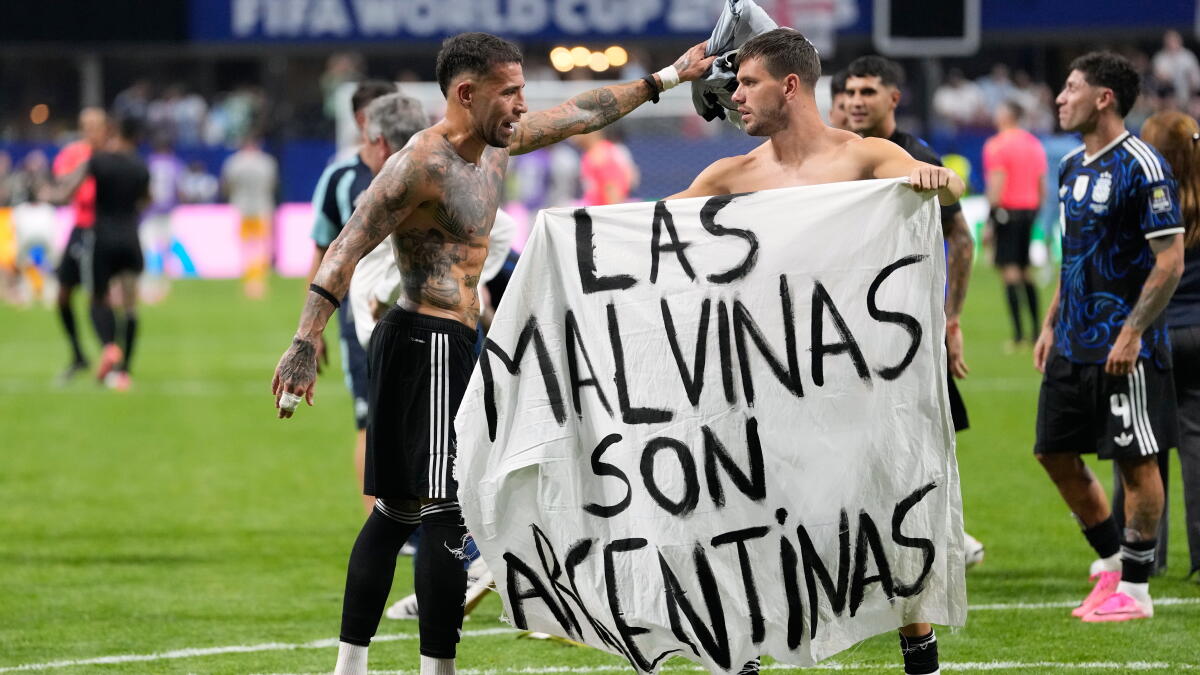
Beyond the pitch-level altercations, the disciplinary committee targeted political expressions tied to earlier rounds. The Argentine federation was charged after players displayed a banner reading Las Malvinas son Argentinas
following their semifinal win over England. British government officials promptly urged a formal investigation into the display, prompting FIFA to charge the governing body with servirse de un evento deportivo para realizar manifestaciones de índole distinta a la deportiva
.
Additional charges levied against Argentina encompass spectator-related infractions, featuring accusations of discriminatory chants and gestures, alongside the persistent throwing of objects by supporters across multiple fixtures.
The Expansion Landscape and Historical Context
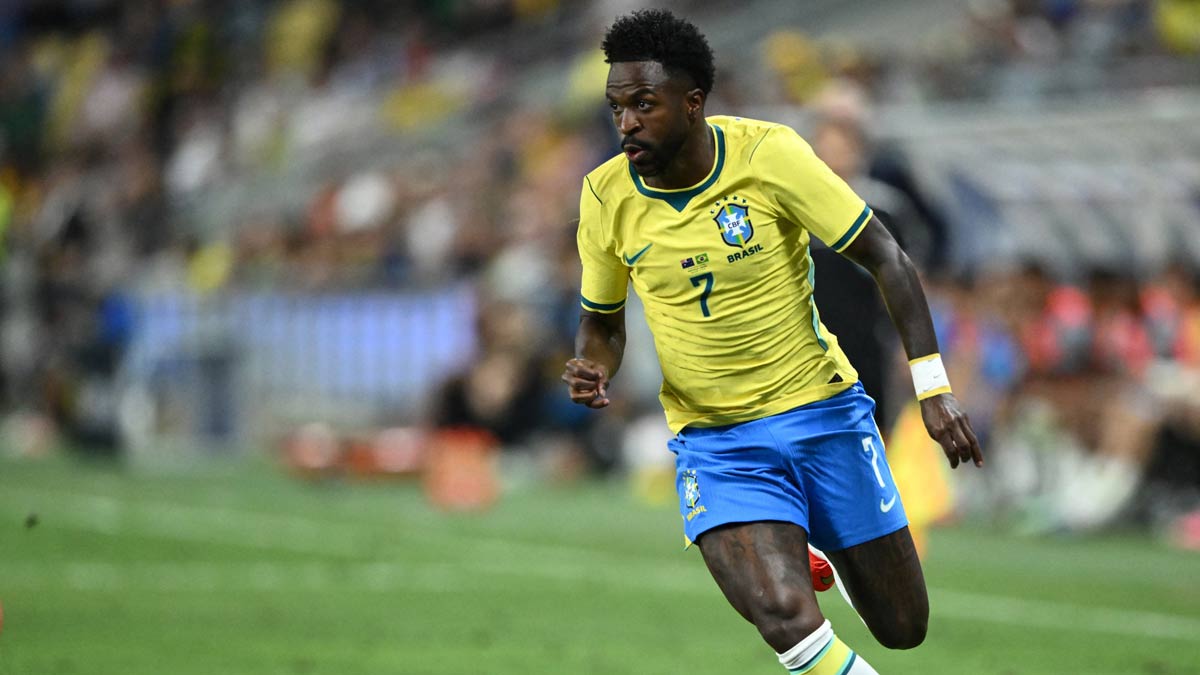
The 2026 tournament's shift to a 48-team framework reshaped competitive paths, allowing nations like Mexico to reach their sixth match—the round of sixteen—though Mexico's historical inability to advance past that threshold continued. Meanwhile, powerhouse programs like Brazil maintained their record of appearing in every edition since 1930, though the summit belonged entirely to Luis de la Fuente's Spanish side.

As the FIFA Disciplinary Committee grants all charged parties the opportunity to submit their defenses before issuing binding resolutions, the sport turns its administrative gaze toward the next horizon: the 2030 World Cup, scheduled across Spain, Morocco, and Portugal. For Spain, the challenge will be reconciling the prestige of a second world title with the administrative inquiries shadowing the conclusion of their North American campaign.
Sources
These sources formed the evidence pack for this article. Links open the original publisher; inclusion does not imply endorsement.
- topendsports.com original
- rsl.com original
- latimes.com original