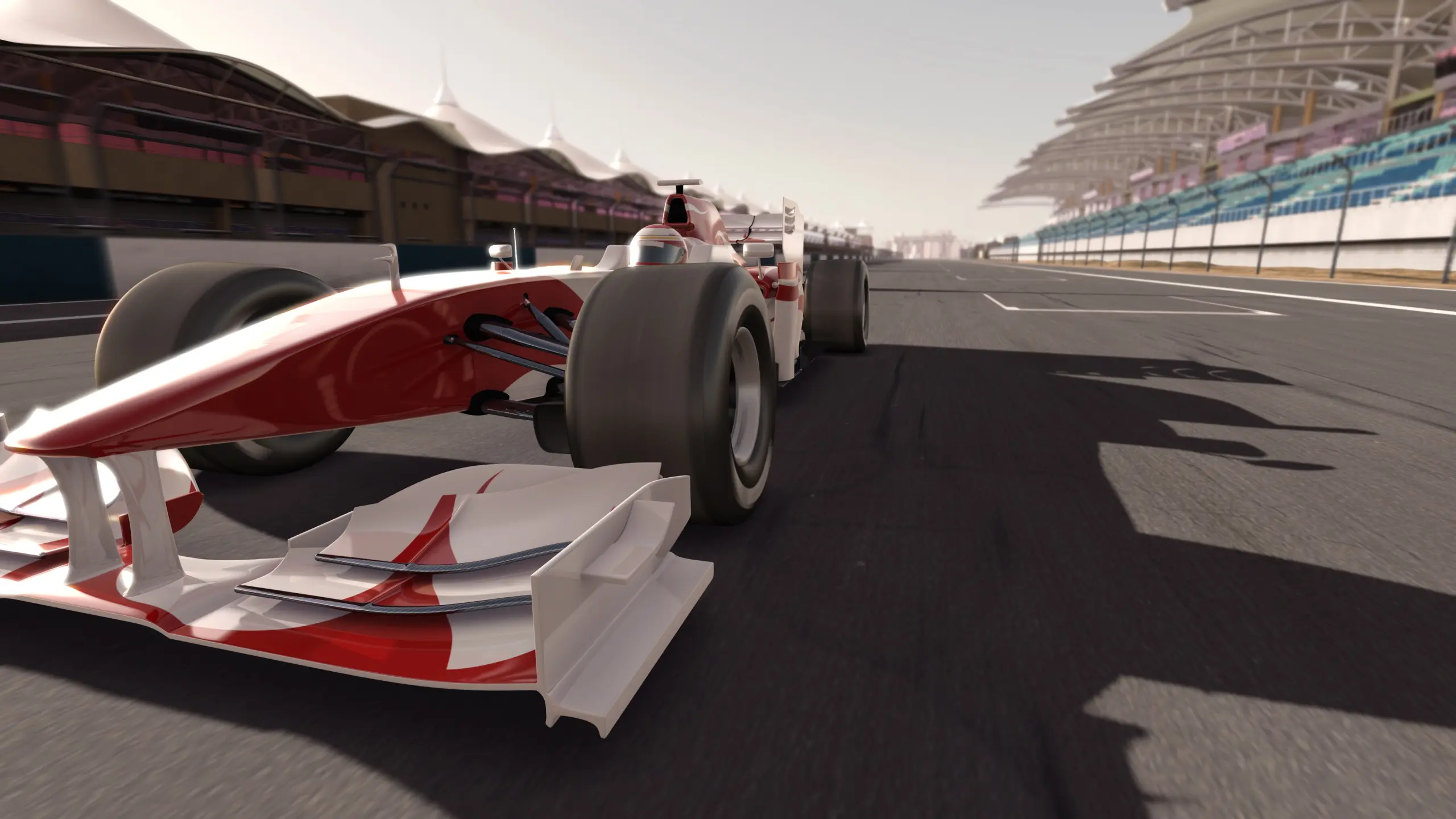
A Global Spectacle of Speed and Heroism
Every two weeks, between the months of March and November, a massive global audience—exceeding 300 million people—turns their attention to the Formula 1 World Championship. For these viewers, the draw is not merely technical; it is visceral. The fascination lies in the intersection of speed, heroism, and beauty, balanced against the inherent, "fear-inducing" threat of death.
The sport has undergone a profound structural metamorphosis in recent years. What was once described as a "motor-oil-smelling mess" has been refined into a "tightly organized media spectacle." This evolution has allowed the championship to maintain its grip on the public imagination, transitioning from a gritty mechanical pursuit into a polished, high-stakes entertainment product that celebrates legendary figures ranging from Lauda and Schumacher to Villeneuve and Verstappen.
Modular Racing: The Corporate Pivot
However, the Formula 1 brand is no longer confined strictly to the grand prix circuits of Europe, Asia, America, and Australia. A secondary, highly modularized version of the F1 experience is being deployed within the corporate sector, specifically through specialized teambuilding programs. In this arena, the "racing" is not dictated by an FIA calendar, but by the specific temporal and logistical needs of a company.
In these professional development settings, the traditional race structure is often adapted. Programs can be "individually combined, shortened, or expanded" based on the requirements of the organization. This modularity allows the intense atmosphere of motorsport to be distilled into manageable segments for corporate groups.
These challenges move beyond the simple mechanics of driving. Participants are tasked with a creative hierarchy: acting as chief constructors, mechanics, and pilots. The objective is to design and build a racing vehicle from available materials—such as cardboard, tape, and paint—before competing in a company Grand Prix. In this version of the sport, the traditional metrics of aerodynamic efficiency are replaced by a different set of values: "the victory belongs to the most resourceful!"
The Corporate Grand Prix Framework
- Role Distribution: Teams must assign specialized roles, including designers, constructors, and drivers.
- Material Constraints: Use of unconventional materials like boxes and adhesives to simulate engineering challenges.
- Format Flexibility: Activities can be tailored to indoor conference rooms or outdoor tracks, depending on weather and space.
- Strategic Outcomes: Focus on creativity, teamwork, and reaction speed under pressure.
Innovation as a Brand Cornerstone
The expansion of the F1 brand into various sectors is underpinned by its reputation for technical excellence. Motorsport serves as a primary symbol of progress and innovation—a characteristic that commercial partners seek to mirror in their own operations. For long-standing partners like RAUCH, the association with high-performance teams such as the multi-time world champion Oracle Red Bull Racing is a strategic alignment of values.
For these sponsors, Formula 1 is more than a series of races; it is a global platform used to evoke emotion and demonstrate a commitment to both tradition and innovation. By linking their brand to a sport that is constantly "at the pulse of time," companies can leverage the excitement of the race weekend to communicate their own vision of sustainable, international growth.
Whether it is a 300-million-strong audience watching a high-speed duel or a small corporate team navigating a "shortened" teambuilding challenge, the core appeal remains consistent: the thrill of competition and the drive for technical and creative perfection.
Sources
These sources formed the evidence pack for this article. Links open the original publisher; inclusion does not imply endorsement.
- bike-mailorder.com original
- hotrock.cz original
- rauch.cc original
- knihobot.cz original