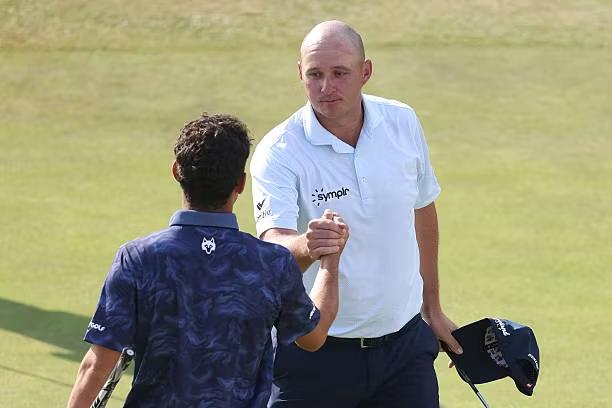
When Sepp Straka walked off the 36-hole mark at Royal Birkdale standing two under par and tied for 20th, it looked as though the two-time European Ryder Cup player was finally putting his notorious major championship blues behind him. Non-major golf had treated the 33-year-old Austrian brilliantly, yielding only three missed cuts across 31 tournaments in 2025 and 2026 and lifting him to seventh in the World Ranking. Yet major weekends have historically demanded a much harsher tax.
That tax came due on Saturday in the unforgiving Southport dunes. Straka suffered a brutal third-round collapse, plunging 39 places down the leaderboard from 25th—his standing entering the moving day—all the way to a tie for 64th, hovering dangerously close to the very bottom of the surviving field. While Sam Burns capitalized on the chaos to hold the tournament lead heading into Sunday, and New Zealander Ryan Fox authored a historic charge with a record-breaking 62 to surge into second, Straka was left grappling with the familiar, frustrating limits of his game under major pressure.
The Anatomy of a Saturday Descent
Saturday's meltdown contrasted sharply with Straka's tidy opening rhythm. On Thursday, despite battling a swing bottleneck and working through mid-tournament technical adjustments on the range, he leaned on stellar play from the tee to post a 68, highlighted by a near-eagle from 206 yards out on the 13th hole. Even after a grinding second-round 70—where he admitted to enduring one of his worst ball-striking rounds in recent memory and surviving entirely on scrambling up-and-downs—he managed to reach the weekend safely.
That resilience evaporated on Saturday. Struggling entirely to master the links layout at Royal Birkdale, Straka lost all control of his trajectory and fell backward into the 64th-position tie. The stark contrast between his elite floor in standard PGA Tour events and his volatile major output—where he missed five out of seven cuts across 2025 and 2026 prior to this weekend—continues to define his career arc in golf's grandest showcases.
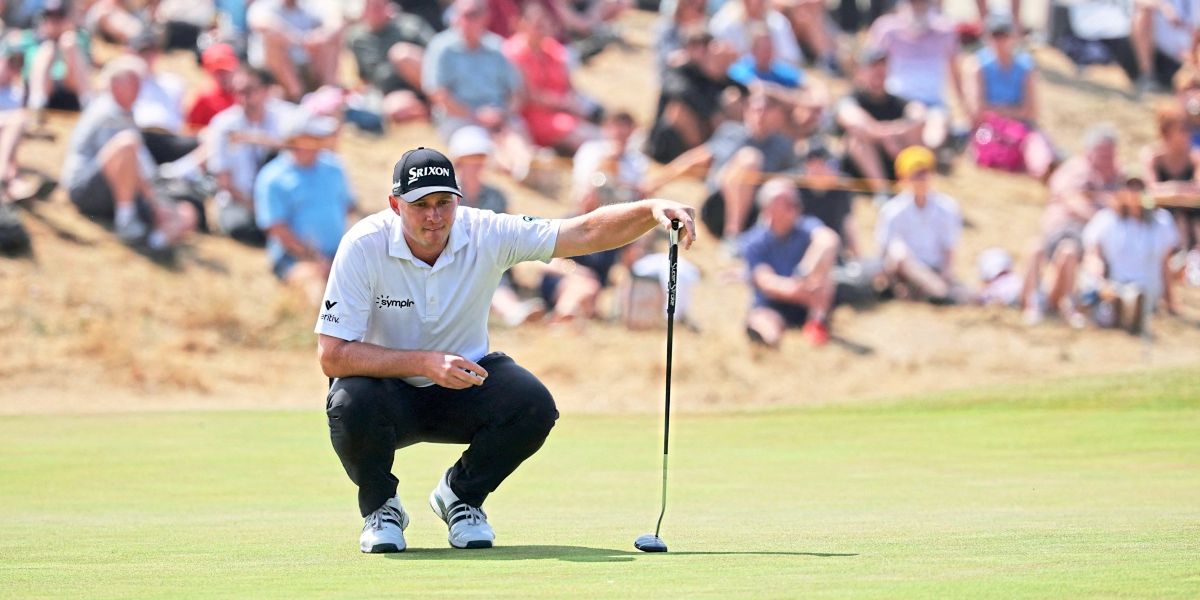
The Distance Trade-Off and the Randomness Debate
Reflecting earlier in the week on why his stellar ranking hasn't translated to major silverware, Straka offered a candid diagnosis.
I think majors in general are hard to perform. You have the best fields of the year. I don't really know. I think it's maybe a little bit random,
Straka told reporters, before pinpointing a physical constraint. I don't hit it very far, so that definitely doesn't help. Most majors, I feel like, other than this one, generally you've got to hit it far, and I'm not a very long hitter. I've got to be on my game to play well in most majors.
Sepp Straka
That lack of elite length, combined with a short game that swings between dependable and erratic, creates a razor-thin margin for error. When his trademark accuracy off the tee deserts him—as it did during Saturday's punishing trip around Royal Birkdale—the consequences on firm, fast links turf are immediate and unforgiving.
Weekend Positioning and Perspective
Though Saturday's freefall effectively removes Straka from any contention at golf's oldest major, making the cut and playing the weekend remains a vital box checked for a player trying to exorcise his major demons. Early in the week, leaning on advice from his wife—reminding him that when it's going badly, it feels worse than it is, and when it's going well, it feels better than it is
—Straka tried to maintain an even keel through technical overhauls.
As the final round unfolds at Royal Birkdale, the underlying tension of Straka's career remains unresolved, leaving observers to weigh whether his major struggles represent a permanent ceiling or merely a temporary obstacle.
Sources
These sources formed the evidence pack for this article. Links open the original publisher; inclusion does not imply endorsement.
- golfdigest.com original
- golfpost.de original
- derstandard.at original
- red, ORF.at/ Agenturen original