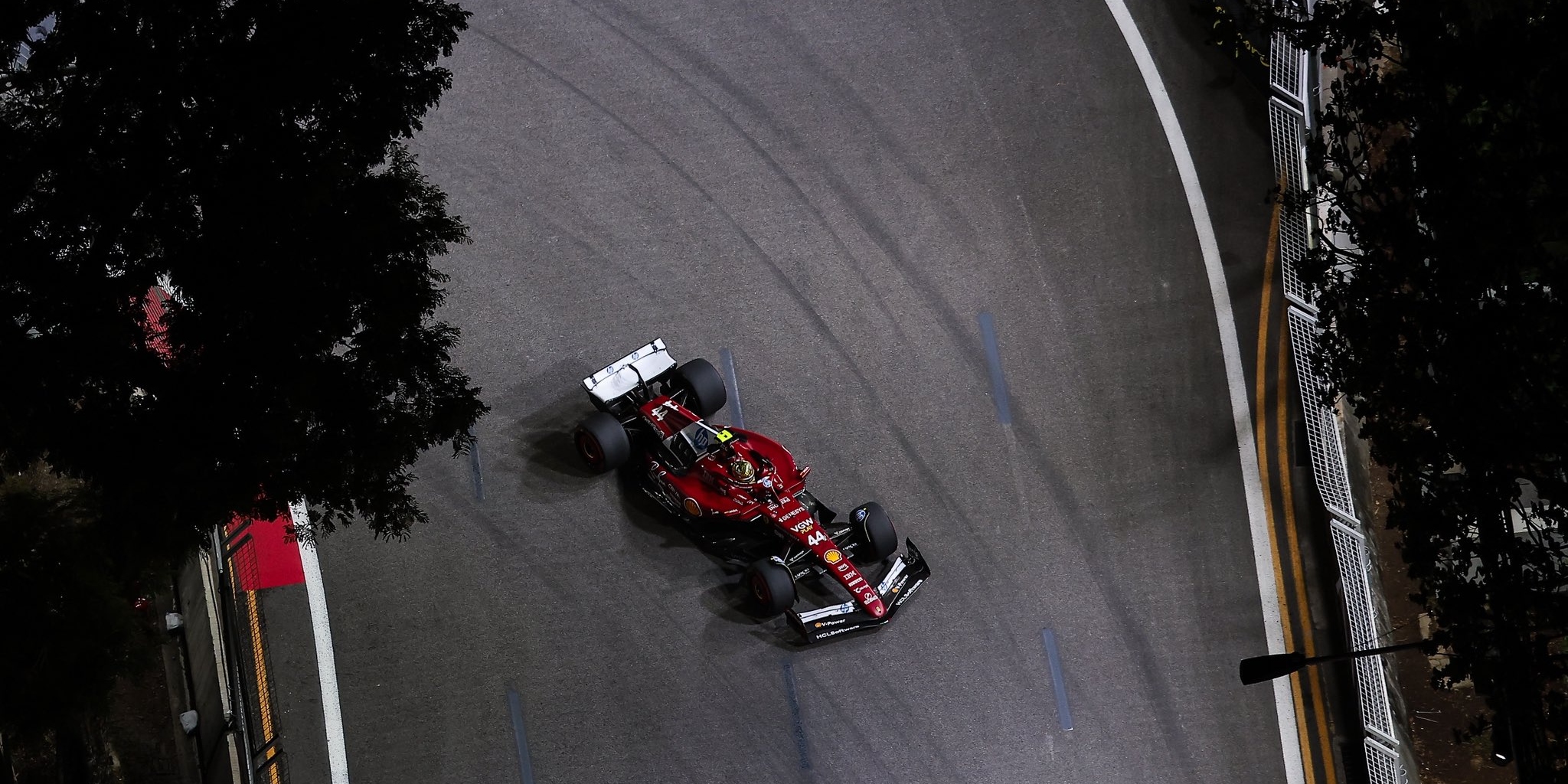
The honeymoon phase of a marquee Formula 1 driver transfer always carries an expiration date, but for Lewis Hamilton and Scuderia Ferrari, the friction points are arriving through the unglamorous mechanics of pit lane protocol. Following mounting frustrations culminating around the Dutch Grand Prix weekend, the seven-time world champion has made it clear that internal operational habits must evolve if the team wishes to stop sabotaging its own Saturdays.
At the heart of Hamilton’s critique is a recurring tactical habit within the Scuderia garage: sending their cars out near the very end of the pit lane queue during crucial qualifying sessions. While designed to find clean air or track position at the right micro-moment, the routine forces the SF-26 machines to sit idle in long lines of waiting cars, bleeding precious heat from their Pirelli rubber.
When we do it, we get further and further back. It happens every weekend, we lose up to five or six degrees in the tyres and it's hard to get it back on the out-lap without massive wear. The guys on pole position are faster and don't wait in the pit lane in a queue, so it's something we can improve,
Hamilton explained, detailing an issue that has periodically crippled their grid position potential.
The structural grievance mirrors past operational friction points that have surfaced during tough stretches, such as previous qualifying disappointments in Singapore where Hamilton failed to crack the top five for the first time since 2008, largely due to identical pit lane stationary delays. For a driver who entered his second season in red carrying immense enthusiasm and a machine featuring his own simulator-developed DNA after an inherited 2025 campaign, these self-inflicted procedural wounds represent an unnecessary ceiling on his weekends.

While former F1 driver Christian Danner has noted that Hamilton wiped the slate clean entering 2026—motivated by a fresh aerodynamic set and a desire to chase that elusive eighth title—the cold arithmetic of the standings shows a driver fighting uphill against both rival constructors and internal habits. Sitting on 171 points through 11 rounds with one victory and five podiums, Hamilton's championship bid requires operational precision that leaves zero room for sluggish garage management.
Ferrari's rigid internal structures, historically managed under strict tactical frameworks, are now facing direct scrutiny from their star driver. If Hamilton's demand for procedural reform is ignored, the Scuderia risks squandering the exact performance margins they fought so hard to engineer into the SF-26.
Sources
These sources formed the evidence pack for this article. Links open the original publisher; inclusion does not imply endorsement.
- m.lequipe.fr original
- themirror.com original
- svetformule.cz original
- independent.co.uk original


