The Simulator Gap and the Speed Reality
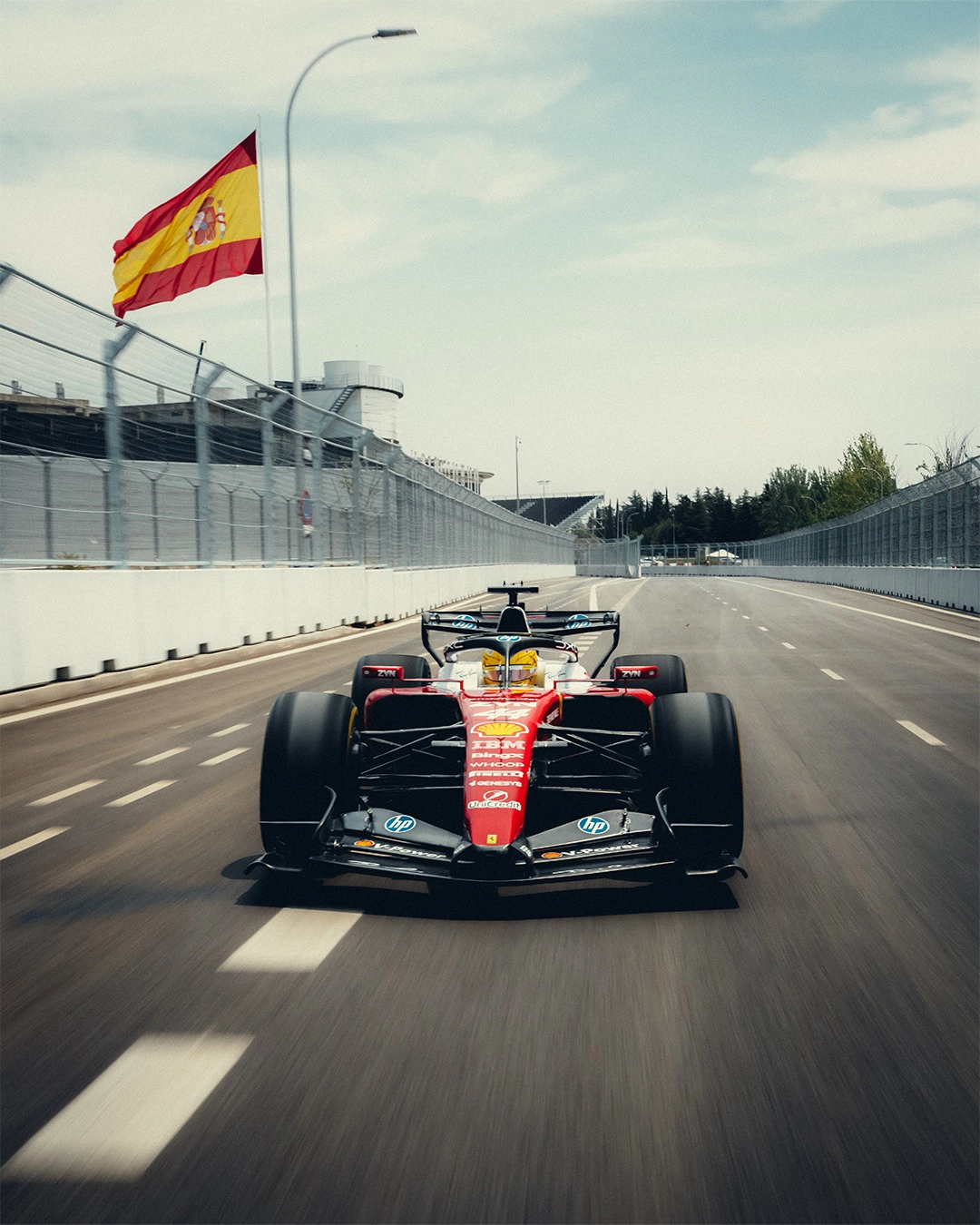
The gap between the simulated 1:46 and the real-world 1:50s is a common hurdle for new venues, but the scale of the MADRING discrepancy underscores the complexity of the layout. When the Formula 1 cars arrive for the Grand Prix weekend of September 11-13, the estimated lap time drops precipitously to approximately 1:34.4. This massive jump in velocity will turn the circuit's technical nuances into razor-thin margins for error.
We saw the physical toll of this transition during the F3 session. Bruno del Pino, a key representative for the Spanish contingent, suffered a contact with the wall that damaged his tire and front suspension. It was a visceral reminder that MADRING is not merely a high-speed runway; it is a high-consequence environment where even a minor miscalculation in a technical sector can end a session prematurely.
The Monumental Crucible: Engineering the Edge
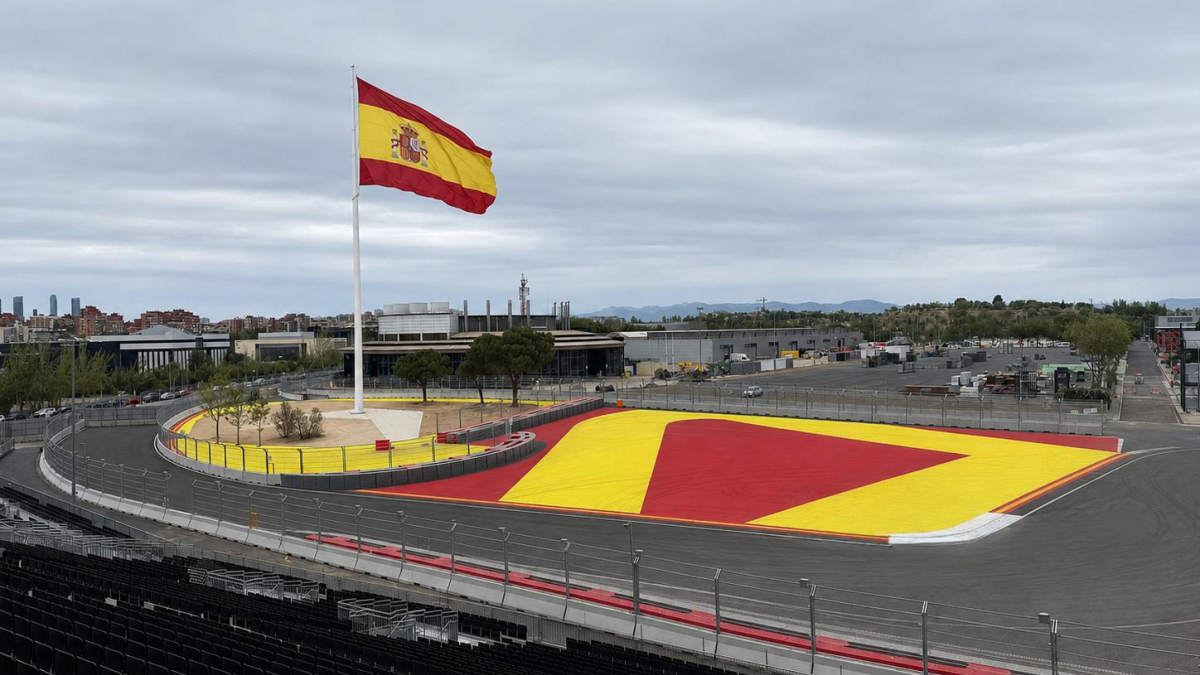
The architectural centerpiece of the circuit is undoubtedly La Monumental. This is not just another corner; it is a massive, banked curve exceeding 500 meters in length with an intimidating 24% inclination. This feature is designed to facilitate high-speed overtaking and extreme lateral loads, making it the most iconic—and likely most decisive—section of the track.
However, the circuit's challenge is its duality. It balances the sheer velocity of the long straights (some exceeding 800 meters) with intense, technical sequences that demand absolute precision:
- The Hortaleza Turn: A rapid right-hander at Curves 2 and 3 that marks the entry into the circuit's urban zone.
- The Las Cárcavas Section: A demanding 8% ascent leading into a blind curve, testing a driver's nerve and car balance.
- The Enlazadas de Valdebebas: A sequence of linked corners (including Turns 14, 15, and 16) that forces drivers into a rhythmic dance of heavy braking and rapid direction changes.
- The Chicane: A technical bottleneck that serves as a primary theater for strategic maneuvers and decisive overtaking.
Beyond the Tarmac: The Infrastructure of a Host City
A Grand Prix is as much a logistical feat as an athletic one. The MADRING project has moved beyond the construction phase—with the Pit Building finally completed after a January start—to focus on the total fan experience. The circuit is positioned strategically, just 30 minutes from Madrid's center and a mere five minutes from Barajas Airport, serviced by Metro Line 8 and the Cercanías RENFE C1.
The organizers are leaning heavily into a "city-wide" transformation. The experience is segmented into various Fan Zones, from the high-end Bulevar Cibeles to the more localized FZ Barrio and FZ Distrito. For the hardcore enthusiasts, the Team FIFTY5 grandstand offers a dedicated space for the Carlos Sainz community, recognizing the emotional gravity of seeing the driver compete on home soil for the first time.
For the general attendee, the Pelouse offers a vibrant, standing-room-only atmosphere. However, the venue has enforced strict "open space" protocols to maintain visibility and safety, prohibiting external furniture like folding chairs or heavy coolers. This emphasis on a lightweight, mobile experience is mirrored in the cashless system designed to eliminate queues for food and drink.
Evidence-Led Forecast: High-Speed Precision vs. Technical Attrition
Likely Tactical Pattern: Expect a race defined by two distinct modes. The long straights will reward engines with high top-end power, but the ability to manage tires through the 24% banking of La Monumental and the technical Enlazadas de Valdebebas will be the true separator. Drivers will likely attempt to maximize momentum out of the technical sectors to defend against overtakes on the 800m+ straights.
Decisive Matchup: The braking zone approaching Curve 13. This is a critical point where drivers must transition from the high-speed energy of the preceding section into the technical Valdebebas sequence. A driver who can brake late without unsettling the car's platform will hold the advantage.
Strongest Counter-Case: Wind and ambient conditions. As seen during the F3 testing, gusty winds can significantly alter the aerodynamic stability of the cars, particularly in the high-speed, high-incline sections. A sudden change in weather could neutralize a car's aerodynamic advantage, turning a race of pure speed into one of pure survival.
Sources
These sources formed the evidence pack for this article. Links open the original publisher; inclusion does not imply endorsement.
- ticketsf1.madring.com original
- tickets.gp original
- marca.com original
- madring.com original