In the high-stakes theater of Formula 1 development, pulling the plug on a current-season challenger is usually a reluctant concession to the future. Yet, as the championship battle intensifies, strategic imperatives dictate a different path for Woking. The temptation to shift all engineering bandwidth entirely toward subsequent regulatory horizons is real, but the immediate arithmetic of the standings leaves no room for premature surrender.
A glance at the current championship table underscores why backing off is a luxury McLaren cannot afford to take. Andrea Kimi Antonelli leads the drivers' standings for Mercedes with 192 points, followed by Ferrari's Lewis Hamilton on 169 and George Russell on 160. Charles Leclerc sits fourth with 138 points, while McLaren's Lando Norris lurks closely in fifth with 128 points, having recently claimed a commanding victory ahead of Max Verstappen and Antonelli. Further down the order, Oscar Piastri holds seventh with 92 points despite a DNF, keeping McLaren heavily engaged in both the individual and constructor calculations.
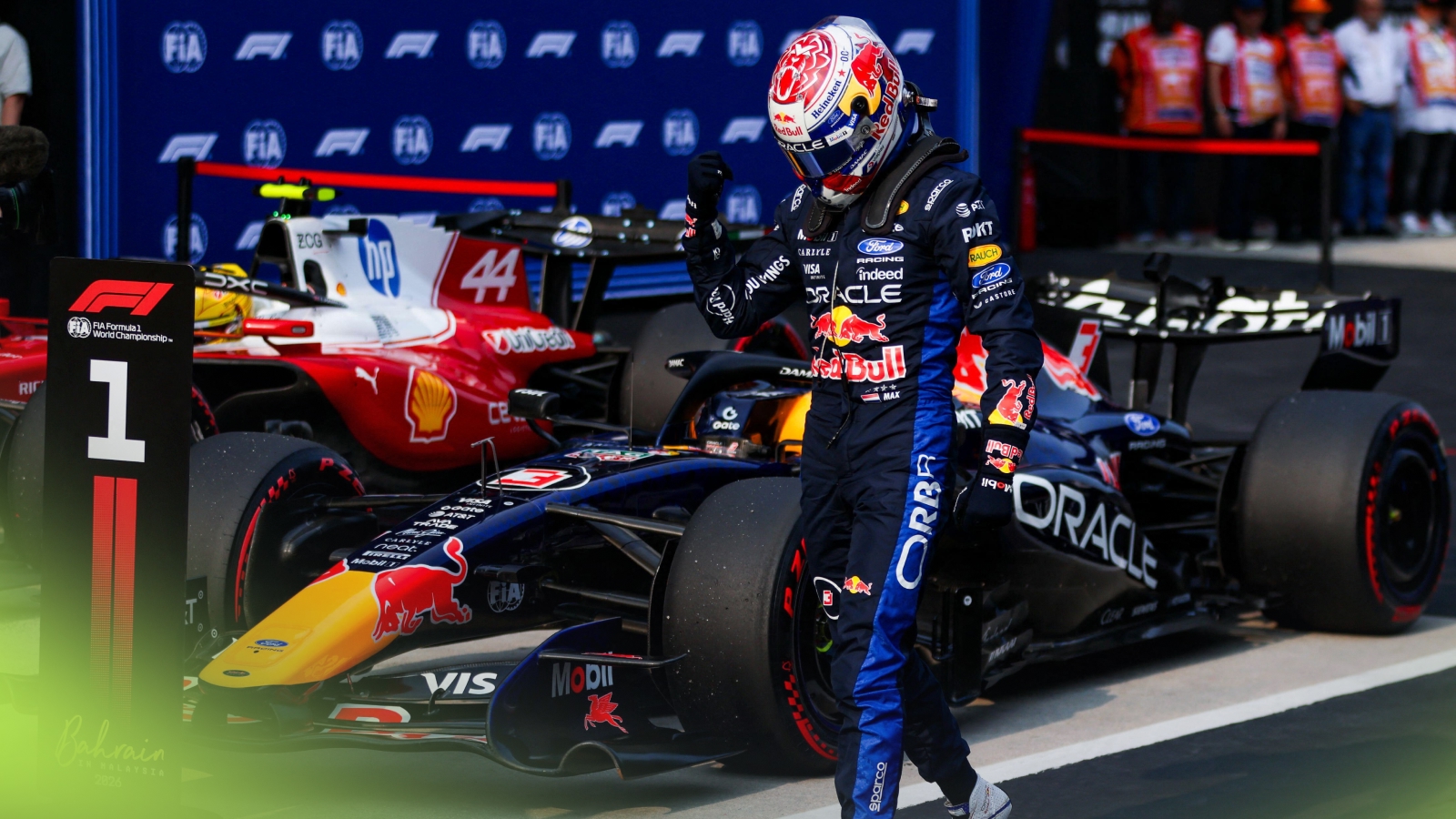
When a team possesses a package capable of converting pace into race wins—as demonstrated by Norris's 1:39:56.180 triumph where he managed a 15.080-second margin over Verstappen—halting upgrades risks throwing away competitive momentum. Development in Formula 1 is rarely a binary switch; it is a gradual tapering of resources. Turning off the wind tunnel and CFD allocations too early invites rivals like Red Bull, Mercedes, and Ferrari to out-develop you in the final stretch of the calendar.
The Strategic Trade-Offs of In-Season Updates
Every hour spent on a current-year floor or front wing is an hour pulled away from the subsequent season's blank sheet. For a team operating under strict cost cap regulations, every financial and aerodynamic resource must justify its return on investment. If the championship gap remains bridgeable, the economic and prestige benefits of fighting for top honours outweigh the early transition to next year's project.
However, the risks are clear. Push too hard for too long, and you risk arriving at the following season's pre-season testing with an undercooked car. Pull the plug too soon, and you strand your current drivers in a stagnant chassis while competitors find crucial tenths in the development war.
Driver Standings Snapshot
| Driver | Team | Points |
|---|---|---|
| Andrea Kimi Antonelli | Mercedes | 192 |
| Lewis Hamilton | Ferrari | 169 |
| George Russell | Mercedes | 160 |
| Charles Leclerc | Ferrari | 138 |
| Lando Norris | McLaren | 128 |
| Max Verstappen | Red Bull Racing | 109 |
As the season progresses through its demanding European and flyaway legs, the pressure on engineering departments will only mount. McLaren's reluctance to halt its 2026 program reflects a team that senses opportunity rather than resignation. Until the mathematical threshold of the championship forces their hand, the development race in Woking remains wide open.
Sources
These sources formed the evidence pack for this article. Links open the original publisher; inclusion does not imply endorsement.
- definitions.net original
- independent.co.uk original
- oneplay.cz original