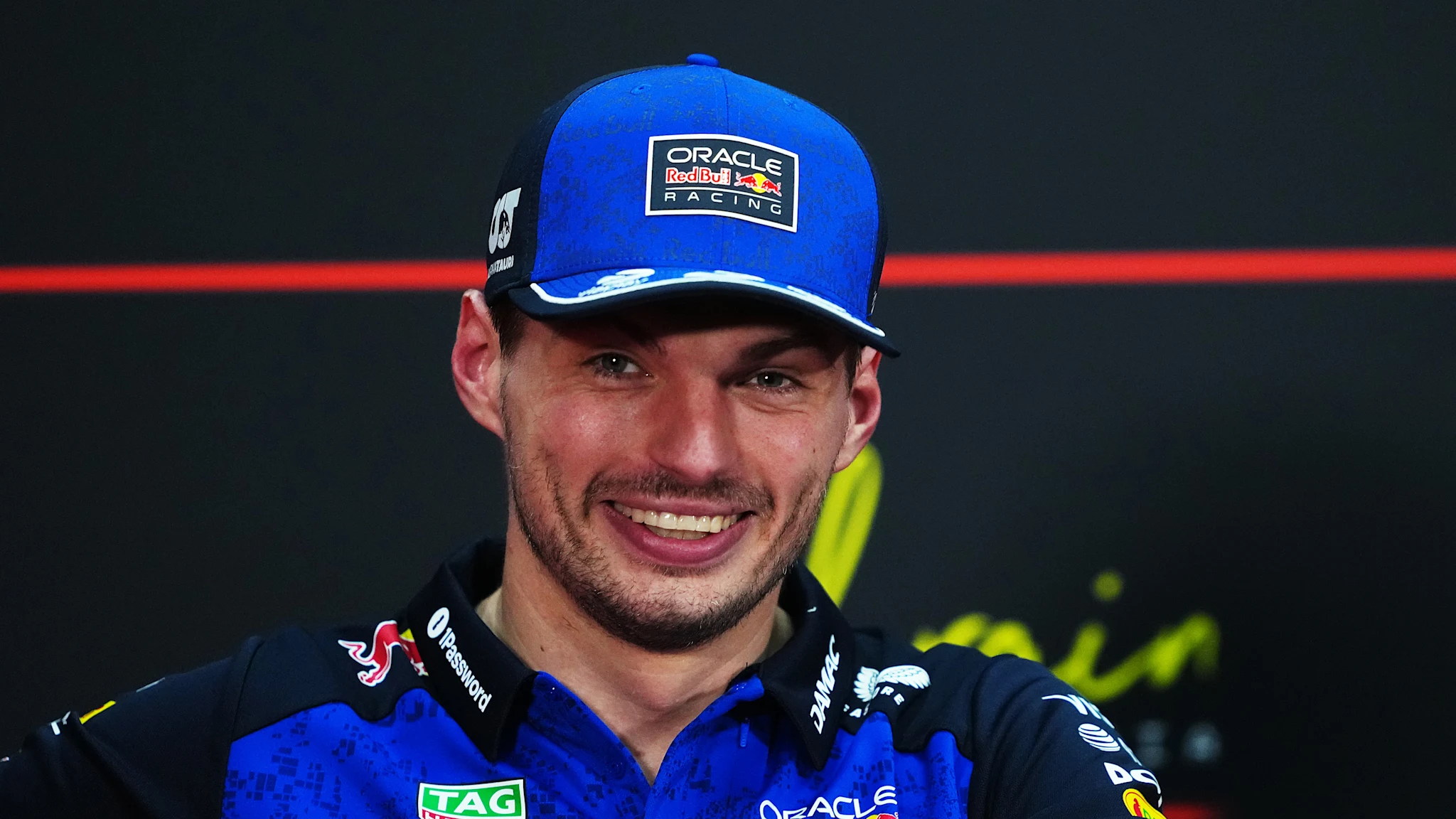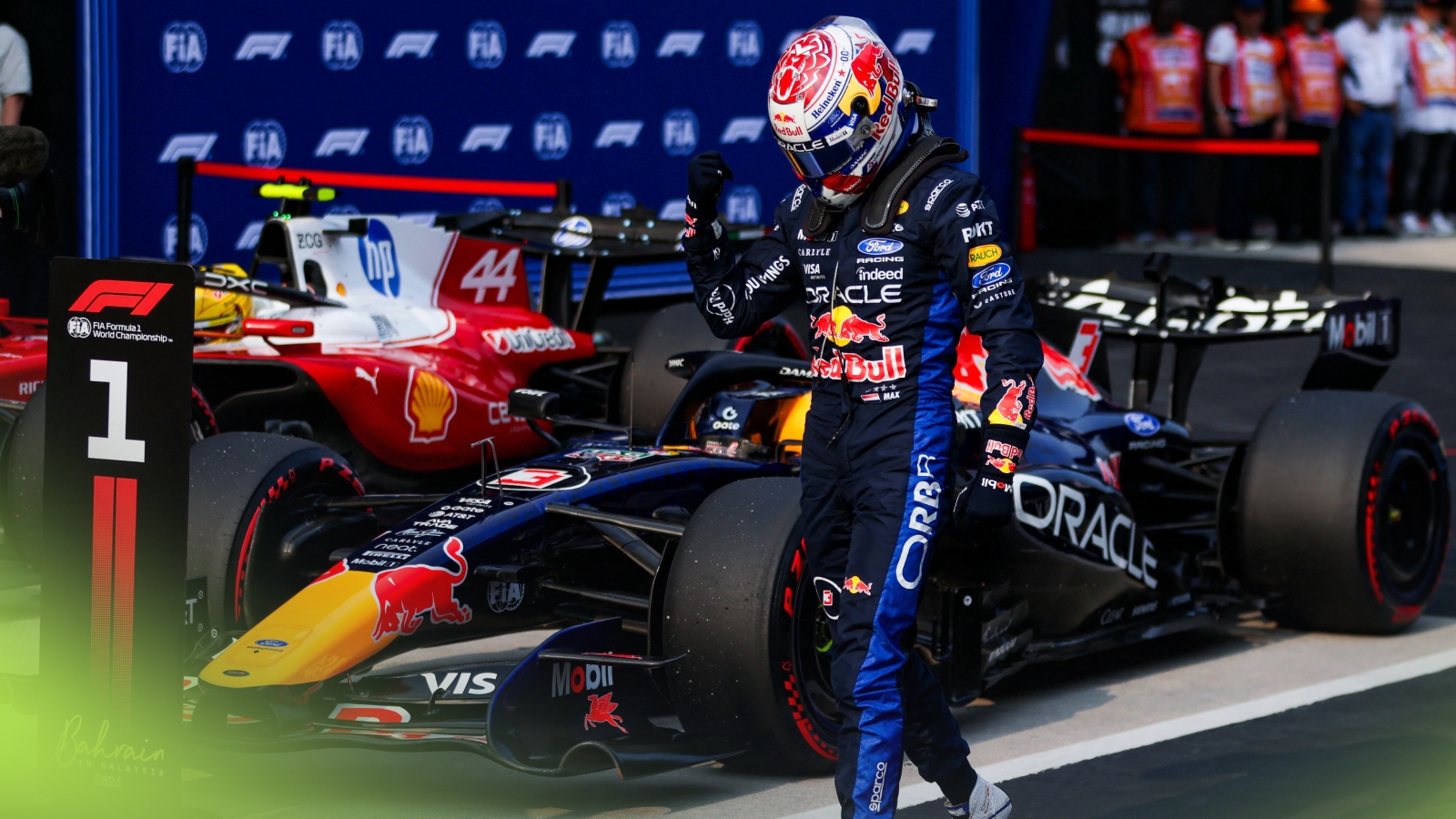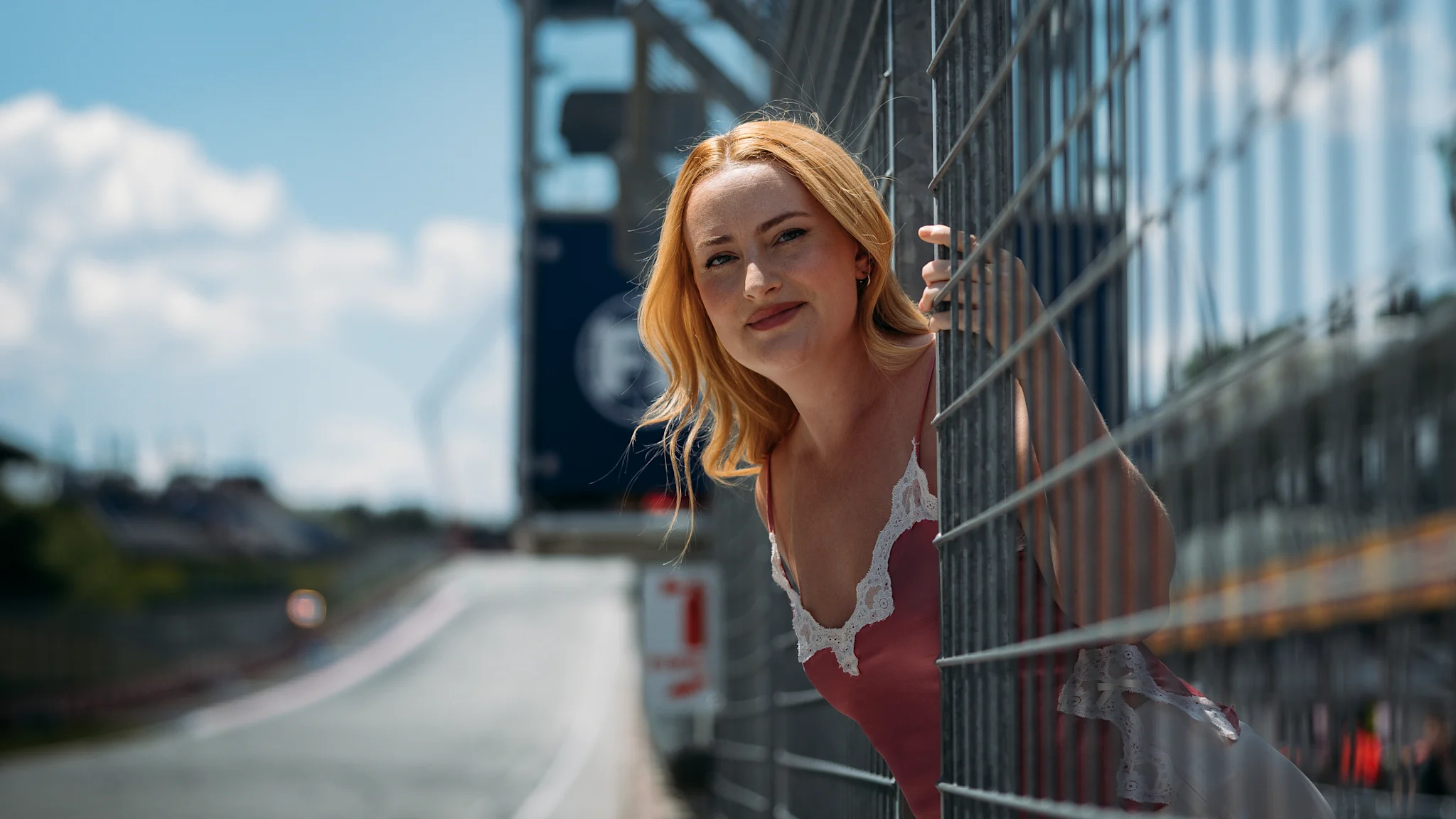
There is a peculiar tension that occurs when a high-performance athlete surrenders control of a vehicle to someone who cheerfully admits they are still struggling with the basics. For Formula 1 drivers, who spend their weekends millimeter-perfect at terminal velocities across circuits like Spa-Francorchamps, Barcelona, and the Red Bull Ring, sitting in the passenger seat while an unlicensed novice takes the wheel requires a masterclass in patience.
Enter Passenger Princess, the YouTube interview series created by Amelia Dimoldenberg’s production company, Dimz Inc., in collaboration with Formula 1. Following a debut season that hauled in more than 289 million views during the Belgian Grand Prix weekend, the series has returned for its second season, rolling out weekly episodes through July and August 2026. Filmed across the Spanish and Austrian Grand Prix weekends, Season 2 expands its roster to include six new drivers: Charles Leclerc, Franco Colapinto, Valtteri Bottas, Gabriel Bortoleto, Kimi Antonelli, and Alex Albon.
For Dimoldenberg, whose deadpan comedic style and awkward interviewing format made Chicken Shop Date a global touchstone, the premise remains deceptively straightforward. A driver steps into the passenger seat, hands over the controls, and endures a candid 15-minute conversation while navigating the unique hazards of a racetrack configured for road-car drills. Yet, as Dimoldenberg notes, the mechanics of multitasking—directing the episode, battling persistent nerves, remembering interview prompts, and handling a steering wheel—make it one of her most demanding shoots.

“It’s really hard to interview someone when you’re driving a car and you don’t know how to drive,” Dimoldenberg explained to ELLE UK. “I get so stressed, it’s like, I forget all my questions.”
Season 2 raises the stakes beyond the introductory clutch-and-throttle lessons of Season 1—which featured George Russell, Ollie Bearman, Oscar Piastri, and Carlos Sainz. While the first outing focused heavily on baseline car movement, the new episodes lean into hyper-specific car controls and tactical driving maneuvers:
- Kimi Antonelli: Teaches doughnuts on the track, leaving Dimoldenberg delightfully dizzy.
- Alex Albon: Guides her through the ever-expanding dashboard of modern car controls and buttons.
- Gabriel Bortoleto: Focuses on speed controls and pacing.
- Charles Leclerc: Assembles theory test questions to help Dimoldenberg prepare for a licence she has infamously failed five times over.
- Franco Colapinto and Valtteri Bottas: Round out the roster, bringing fresh personalities and distinct teaching styles to the tarmac in Barcelona and Spielberg.
From a commercial standpoint, the collaboration highlights a shifting media landscape where global sports brands partner directly with talent-led production companies to bypass traditional broadcast gates. Formula 1 boasts a fanbase exceeding 830 million people worldwide, and properties like Passenger Princess—sitting alongside Netflix’s Drive to Survive and F1 The Movie—provide an alternative entry point for younger and female audiences who may not follow every lap of a traditional grand prix weekend. Emily Prazer, chief commercial officer of Formula 1, noted that the series serves as a brilliant mechanism to engage both dedicated followers and casual viewers.

Despite the high-end production backing and the grandeur of hosting lessons on Grand Prix circuits, the educational efficacy remains delightfully questionable. When asked how close she is to finally securing a driving licence, Dimoldenberg offered her signature deadpan assessment:
“Not confident at all, actually. I just think it’s like I’ve got a block with the driving – I can’t be good at everything.”
Ultimately, the charm of Passenger Princess lies precisely in that friction—the collision between elite motorsport precision and chaotic, unscripted pop-culture curiosity. Whether the drivers are managing their anxiety from the passenger seat or watching Dimoldenberg attempt a three-point turn on a championship-grade circuit, the journey proves that sometimes the most memorable laps have nothing to do with setting a competitive time.
Sources
These sources formed the evidence pack for this article. Links open the original publisher; inclusion does not imply endorsement.
- formula1.com original
- elle.com original
- forbes.com original