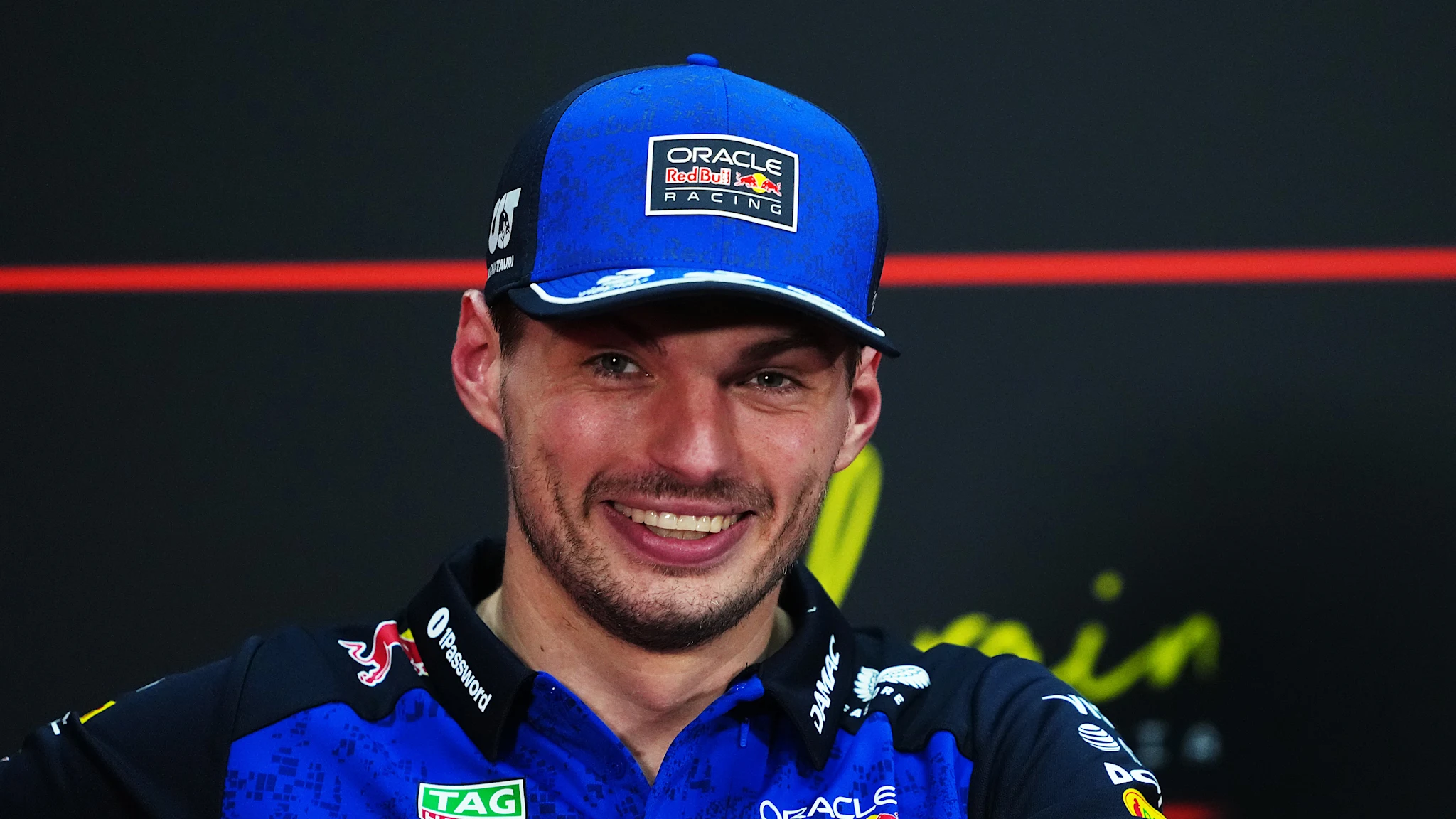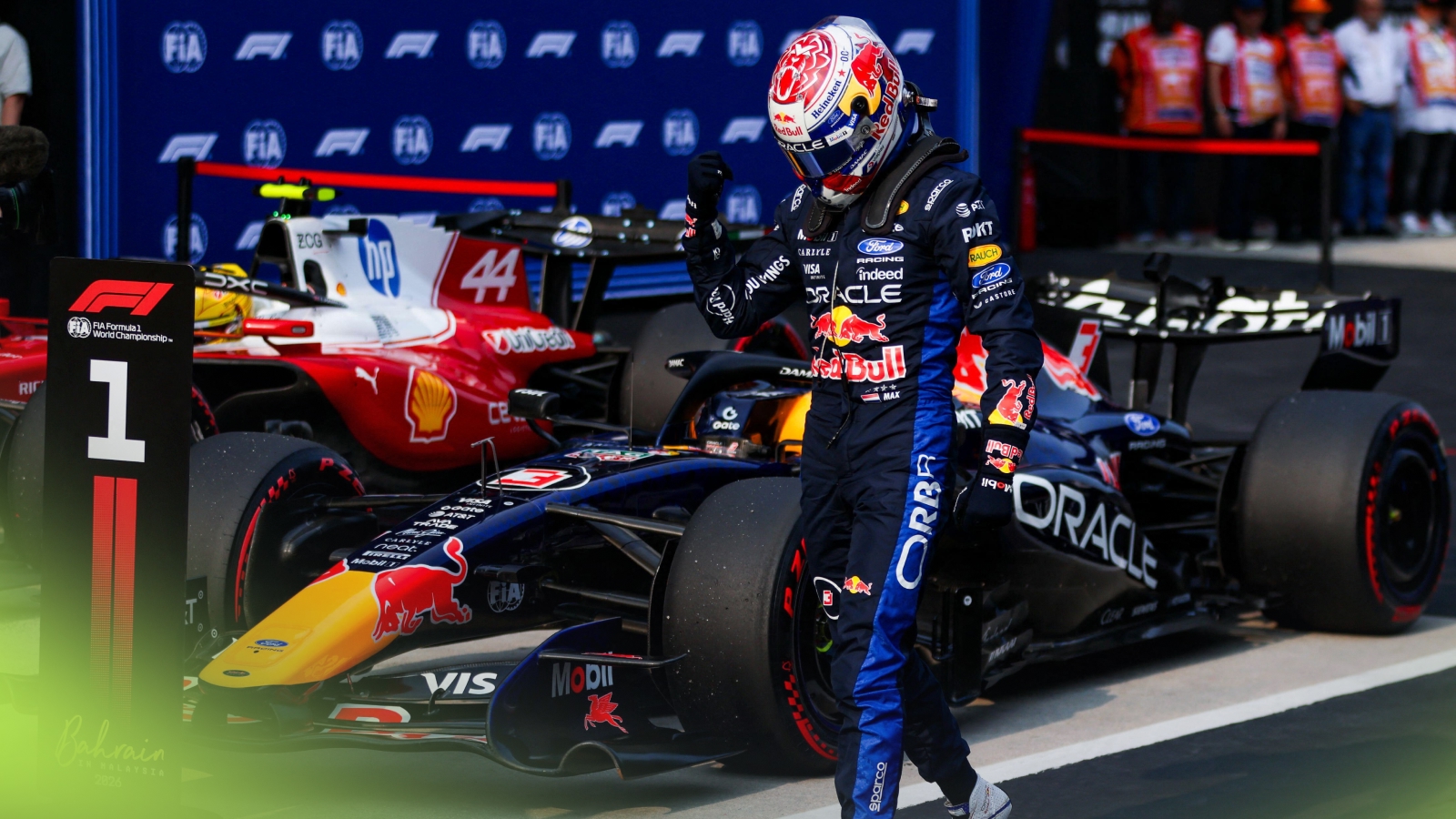
When a driver defined by relentless versatility and a dirt-track upbringing looks unbothered by missing a marquee open-wheel date, it forces the garage to look closer at the bigger picture. For Kyle Larson, piloting the No. 5 Chevrolet Camaro ZL1 for Hendrick Motorsports, the current 2026 NASCAR Cup Series season presents an unfamiliar kind of adversity. While historical context paints him as one of the most dominant forces in modern motorsports—boasting a 2021 Cup title, over 10,000 laps led, and a career earnings profile putting him among the sport's highest-paid competitors—the tracking data of the current calendar year tells a starkly different story.
Statistically speaking, the defending Cup Series champion is enduring his worst season since 2015. In a fiercely competitive 2026 field where Denny Hamlin leads the championship standings and contenders like Christopher Bell chase consistency through high-pressure runner-up finishes, Larson's traditional dominance has faced uncharacteristic friction. Yet, despite the performance dip and external narratives regarding prestigious sprint car events slipping past him, the Californian remains remarkably anchored to the grueling demands of the premier stock car circuit.
To understand the weight of Larson's current trajectory, one must evaluate the operational realities of the Hendrick Motorsports stable against a surging Joe Gibbs Racing contingent. While teammates and rivals juggle tire strategies, brake longevity issues—such as those that plagued Hamlin at Iowa Speedway—and tight Chase bubble margins, Larson's margin for error has evaporated. Mid-tier shifts in the garage, such as Carson Kvapil's explosive back-to-back victories in the NASCAR O'Reilly Auto Parts Series and Ryan Preece fighting for his Cup career on the playoff bubble, underscore a hyper-competitive ecosystem where past championships grant no immunity from current struggles.
The contrast between Larson's historical peak and his 2026 grind highlights a crucial professional tradeoff: the tension between part-time open-wheel roots and full-time stock car survival. Over his career, Larson has built a $30 million net worth and an elite reputation by refusing to choose between dirt tracks and pavement, famously attempting the grueling Indianapolis 500 and Coca-Cola 600 double. Yet, when a championship defense or regular-season momentum stalls, the garage optics shift entirely toward finding raw speed on standard ovals.
As the Cup Series enters the final stretch of the regular season with the Chase grid tightening by the week, Larson's casual stance on missing outside dirt commitments signals a tactical recalibration. When raw pace is harder to extract from the chassis, championship pedigree demands absolute singular focus. Whether that internal reset will spark a late-season surge remains one of the compelling subplots of the 2026 campaign, proving that even for modern motorsports' most adaptable driver, survival on the asphalt requires absolute, unyielding concentration.
Sources
These sources formed the evidence pack for this article. Links open the original publisher; inclusion does not imply endorsement.
- celebritynetworth.com original
- yardbarker.com original
- ebay.com original
- thedrive.com original