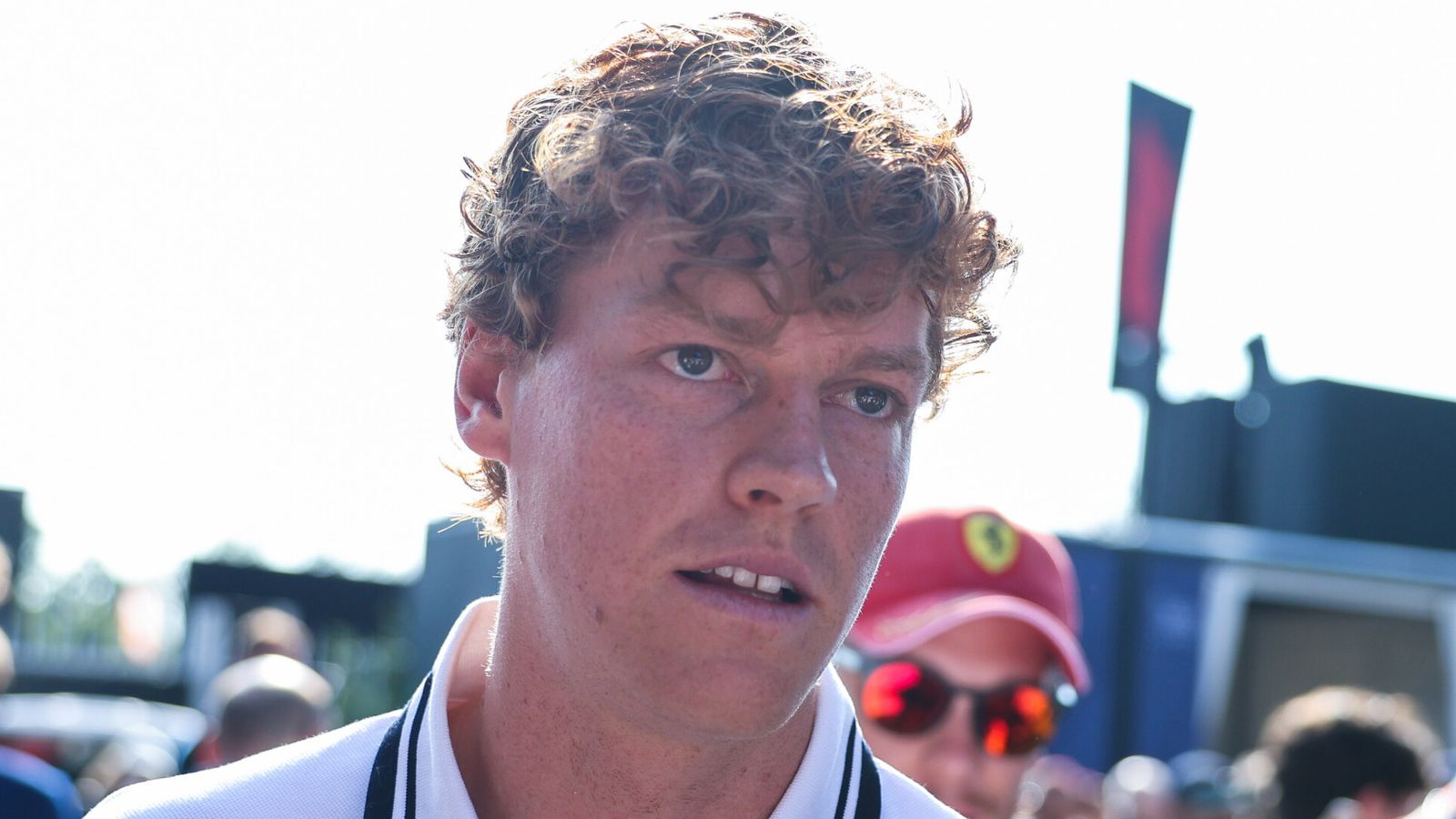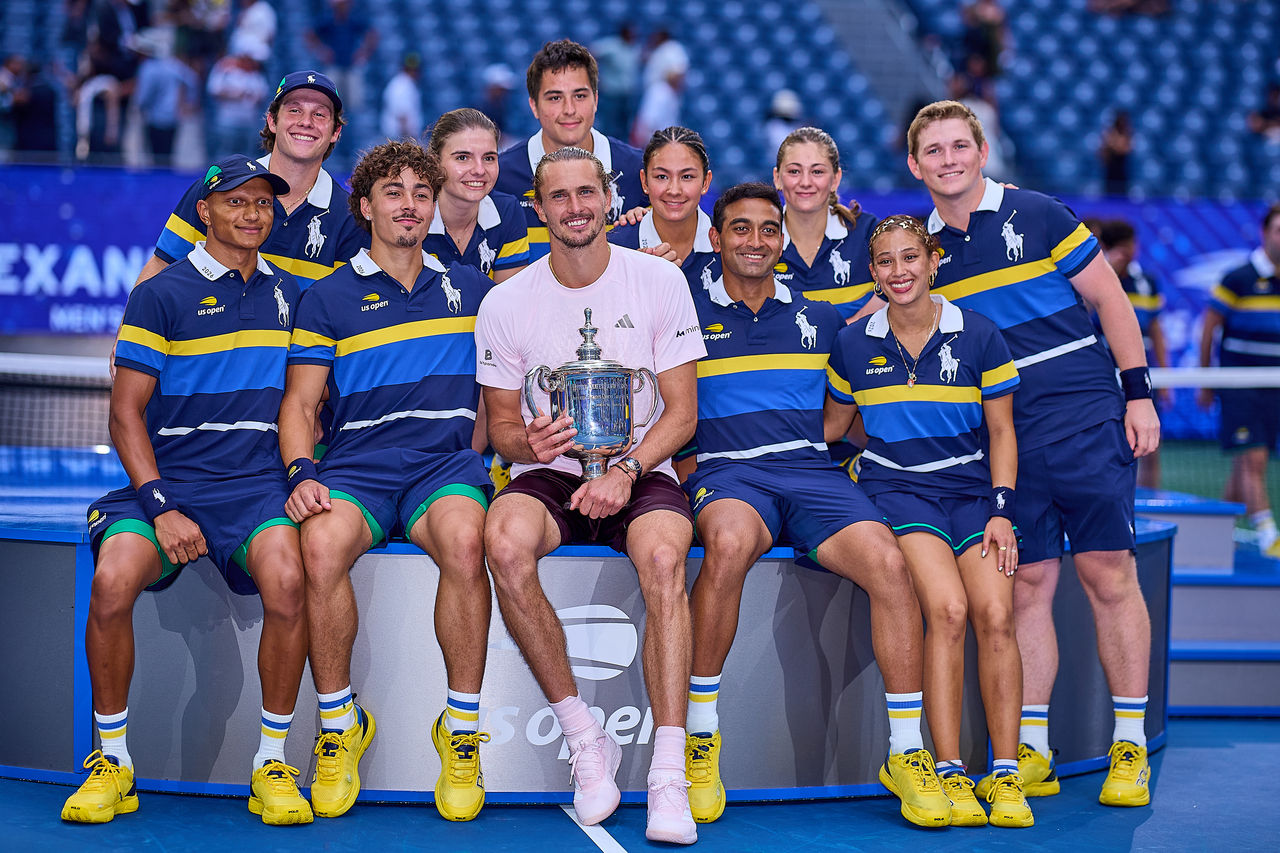
The announcement sent a chill through the ATP tour: Jannik Sinner, the world number one, will not defend his momentum at the Cincinnati Open, sidelined by a knee injury. For a player who recently reached the summit of the sport, this withdrawal feels less like a routine rest period and more like a jarring interruption to a season defined by extreme highs and punishing lows.
From SW19 Glory to Cincinnati Silence
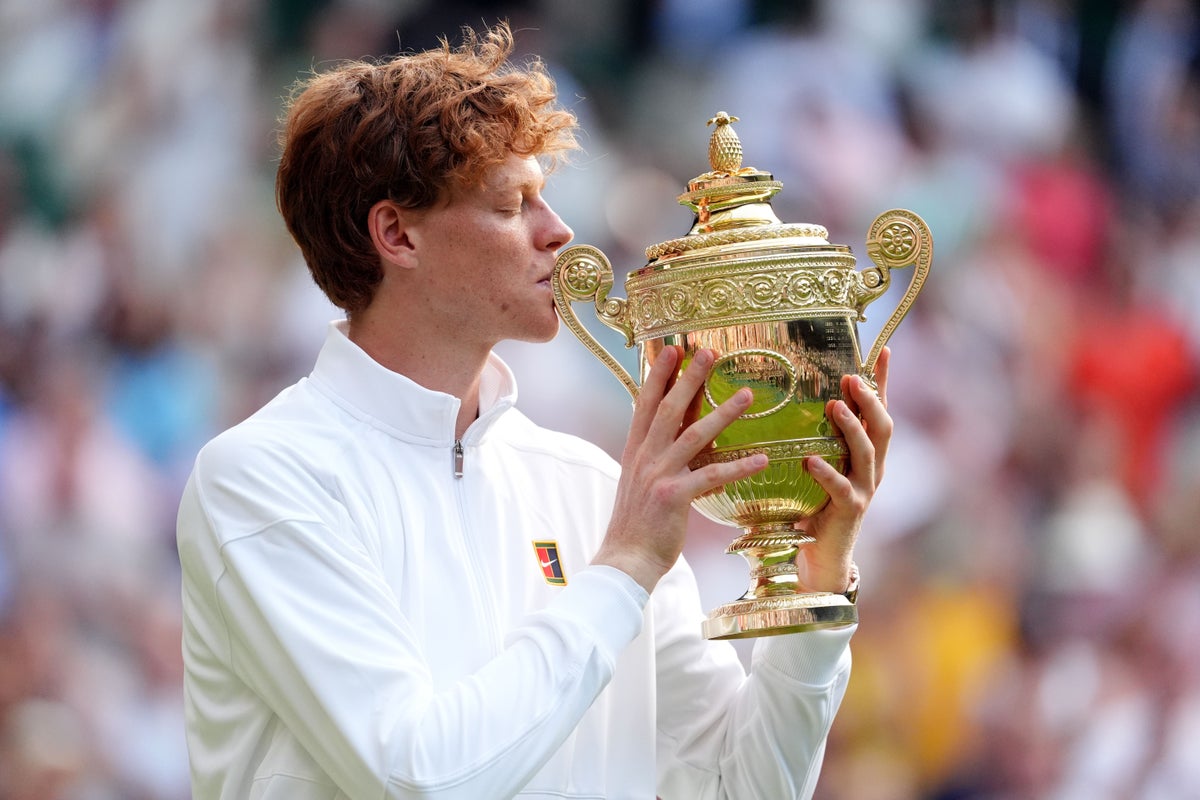
The timing is as jarring as the injury itself. Only weeks ago, Sinner stood on Centre Court, arms raised, having secured a landmark victory that many believed would cement his era of dominance. His triumph at Wimbledon was not merely a win; it was a psychological exorcism. After being "bewitched" by Carlos Alcaraz in previous encounters, Sinner finally broke the curse, claiming his first non-hard-court Grand Slam in a grueling four-set battle: 4-6, 6-4, 6-4, 6-4.
That match was a showcase of the stratospheric level Sinner can reach when his physical and mental systems are aligned. He displayed a "riveting artistry," producing sensational winners and maintaining a composure that allowed him to withstand Alcaraz’s blistering variety—including a serve that clocked in at 140mph. Yet, that peak performance also highlighted the sheer intensity required to stay at the top, a demand that may have contributed to the current physical fallout.
| Tournament | Result | Key Physical/Mental Note |
|---|---|---|
| Roland Garros | Loss (to J.M. Cerundolo) | Suffered from cramping, dizziness, and dehydration in 32°C heat. |
| Wimbledon | Champion | Displayed intense emotionality and high-intensity rally control. |
| Cincinnati Open | Withdrawn | Sidelined due to knee injury. |
The Physicality Paradox
While the knee injury is the immediate headline, it exists within a broader, more concerning narrative regarding Sinner’s physical reliability. For the world number one, the battle is often as much against his own biology as it is against his opponents. The skepticism surrounding his durability is not new; it has been a recurring theme in his most high-stakes moments.
Consider the collapse at Roland Garros this past May. While Sinner was just four points away from a third-set place against Juan Manuel Cerundolo, the wheels did not just slip—they fell off entirely. He described the sensation with stark simplicity: I just kind of hit the wall. It was not like I was dying in the heat... I just couldn't find any energy,
Sinner said of that devastating afternoon.
The details of that match paint a picture of a player pushed to the absolute brink of physiological failure. Amidst an unprecedented Paris heatwave, Sinner struggled with dizziness, a sensation of needing to vomit, and debilitating cramps. It was a stark departure from the "cool-headed, methodical monster" he appeared to be on the grass of SW19. This volatility raises a difficult question for analysts: is Sinner’s technical brilliance being undermined by a body that struggles to sustain it under the most grueling conditions?
The Paris Precedent and the Controversy of Care
Sinner's physical struggles have also placed him at the center of officiating controversies, specifically regarding how the rules are applied to the game's elite. During his Roland Garros meltdown, the decision to allow him to leave the court for an air-conditioned locker room to assess his vital signs sparked significant backlash from peers and pundits alike.

Four-time Grand Slam champion Jim Courier was vocal in his assessment, labeling the treatment absolute baloney, Tennis Channel». He argued that the rules were being bent, noting that other players, such as Czech star Jakub Mensik, have faced strict time violations even when suffering from severe cramping. This tension between medical necessity and competitive fairness has become a shadow that follows Sinner’s physical lapses.
As the ATP tour moves forward without him in Cincinnati, the focus will inevitably shift to his recovery. For Sinner to truly solidify his position at the top, he must find a way to bridge the gap between the brilliance of his Wimbledon run and the vulnerability of his recent physical struggles. The knee injury is a setback, but the deeper challenge remains the durability required to hold the throne.
Sources
These sources formed the evidence pack for this article. Links open the original publisher; inclusion does not imply endorsement.
- edition.cnn.com original
- dailymail.com original
- independent.co.uk original