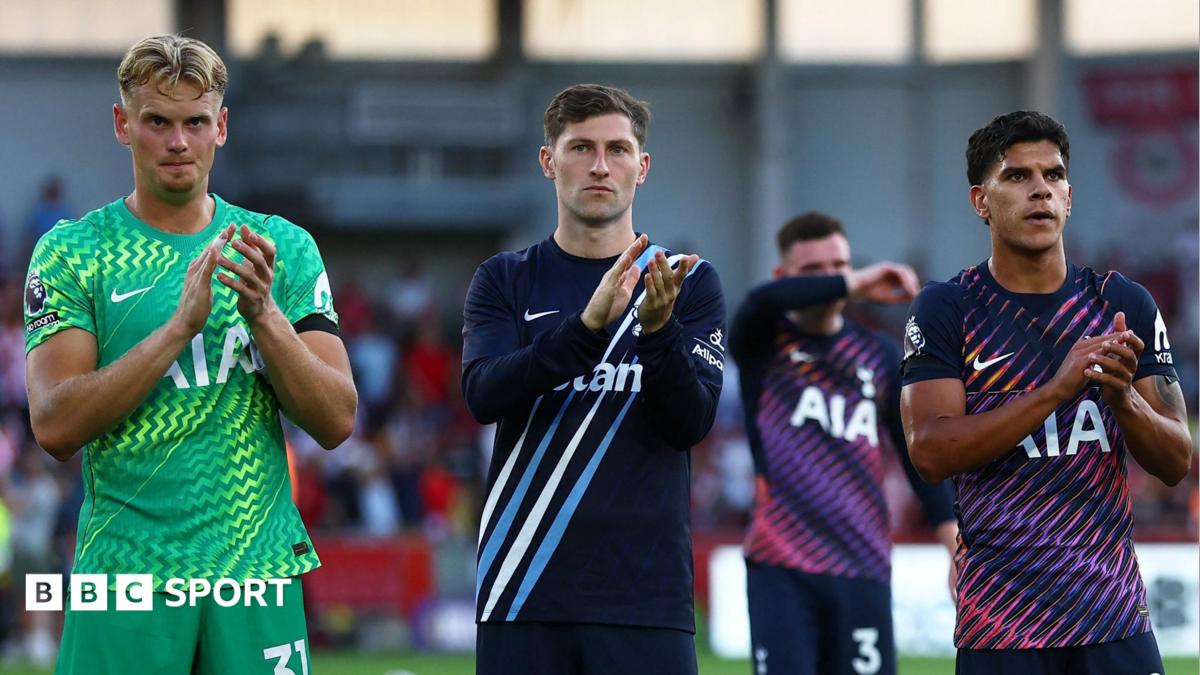
Tottenham Hotspur’s new era under Roberto de Zerbi has arrived not with a bang, but with a hollow, scoreless silence. After a bruising 3-0 defeat to Brentford to open the campaign, the 0-2 loss at the hands of Newcastle United has compounded a mounting crisis of identity and physicality. For a club that has invested heavily in the summer window to ignite a "new project," the reality on the pitch has been a stark departure from the promised style and soul.
An "Unfair" Defeat or a Tactical Void?
Following the 0-2 loss to Newcastle, Roberto de Zerbi was left grappling with a sense of frustration, describing the result as "unfair" despite the scoreboard. His assessment centered on a period of dominance that evaporated the moment the first goal hit the net.
"Until the first goal we conceded I think we played better than Newcastle. We lost ball possession in the first half because we didn't defend in the right way, the distance between the defenders and attackers was too big."— Roberto de Zerbi, speaking to BBC Sport
This breakdown in structural cohesion—the gap between the defensive and attacking lines—proved fatal. While Tottenham managed to create several chances in the second half, a lack of clinical execution in the final decision meant the momentum could not be converted into a comeback. The player ratings from the encounter suggest a mismatch in intensity, even where individual quality flickered.
| Player | Rating |
|---|---|
| Anthony Gordon | 10 |
| Dominic Solanke | 8.2 |
| Yves Bissouma | 8 |
| Alexander Isak | 7.8 |
The Physicality Deficit
The Newcastle defeat is not an isolated tactical glitch; it is the second chapter of a nightmare that began with a 3-0 demolition by Brentford. If the Newcastle game was about spacing, the Brentford game was about sheer attrition. De Zerbi has been remarkably candid about the physiological shortcomings currently plaguing his squad.
The manager highlighted a lack of match readiness, noting that many players arrived late following the World Cup, combined with the integration of several new faces into the first XI. This lack of conditioning translated into a failure to win the most fundamental battles on the pitch: the duels.
Archie Gray, who made history as Tottenham's youngest-ever Premier League starting captain, echoed the sentiment of being physically overwhelmed. "For some reason on days in football, a team can outfight another team," Gray told Sky Sports, noting that despite the team's efforts, they simply were "outfought."
This theme of being physically outmatched was the primary driver in the Brentford loss, where De Zerbi lamented that the team "didn't fight in the right way." The inability to compete in duels has effectively neutralized the tactical "soul and style" De Zerbi is attempting to implement.
Historical Alarms
For the Spurs faithful, these opening weeks feel like a haunting repetition of past failures. The statistical reality of this start is grim: Tottenham has now lost its opening two matches of a league campaign without scoring for the third time in its history—a feat previously achieved only in the 1947-48 and 1974-75 seasons.
Furthermore, the club's struggles at home continue to mount. Since the start of last season, Tottenham has lost 11 Premier League home games, a figure that places them level with Wolves for the most home defeats in that period. The inability to secure points at the Tottenham Hotspur Stadium is becoming a systemic concern for the new leadership.
Project Outlook: The Path to Cohesion
De Zerbi remains steadfast in his belief, insisting that his confidence in the players remains intact and that the team is "working to be a great team." However, the transition from a collection of individuals to a cohesive unit requires more than just training; it requires the physical capacity to execute a high-pressing, high-intensity style.
Evidence-Led ForecastTactical Pattern: To avoid a third consecutive defeat, Tottenham must prioritize the narrowing of the vertical gap between their defensive and attacking lines to prevent the transitional exploitation seen against Newcastle.Decisive Matchup: The ability of the midfield, led by Bissouma, to win second balls and duels will determine if Spurs can regain control of matches.Strongest Counter-case: If the "World Cup hangover" and integration of new players lead to sustained fitness issues, the tactical structure will remain irrelevant as the players will simply lack the legs to maintain the press.The Pivot Point: A successful adjustment in the upcoming mid-week fixture will depend on whether De Zerbi can solve the "timing of the pressure" issues that left the squad late to challenges.
Sources
These sources formed the evidence pack for this article. Links open the original publisher; inclusion does not imply endorsement.