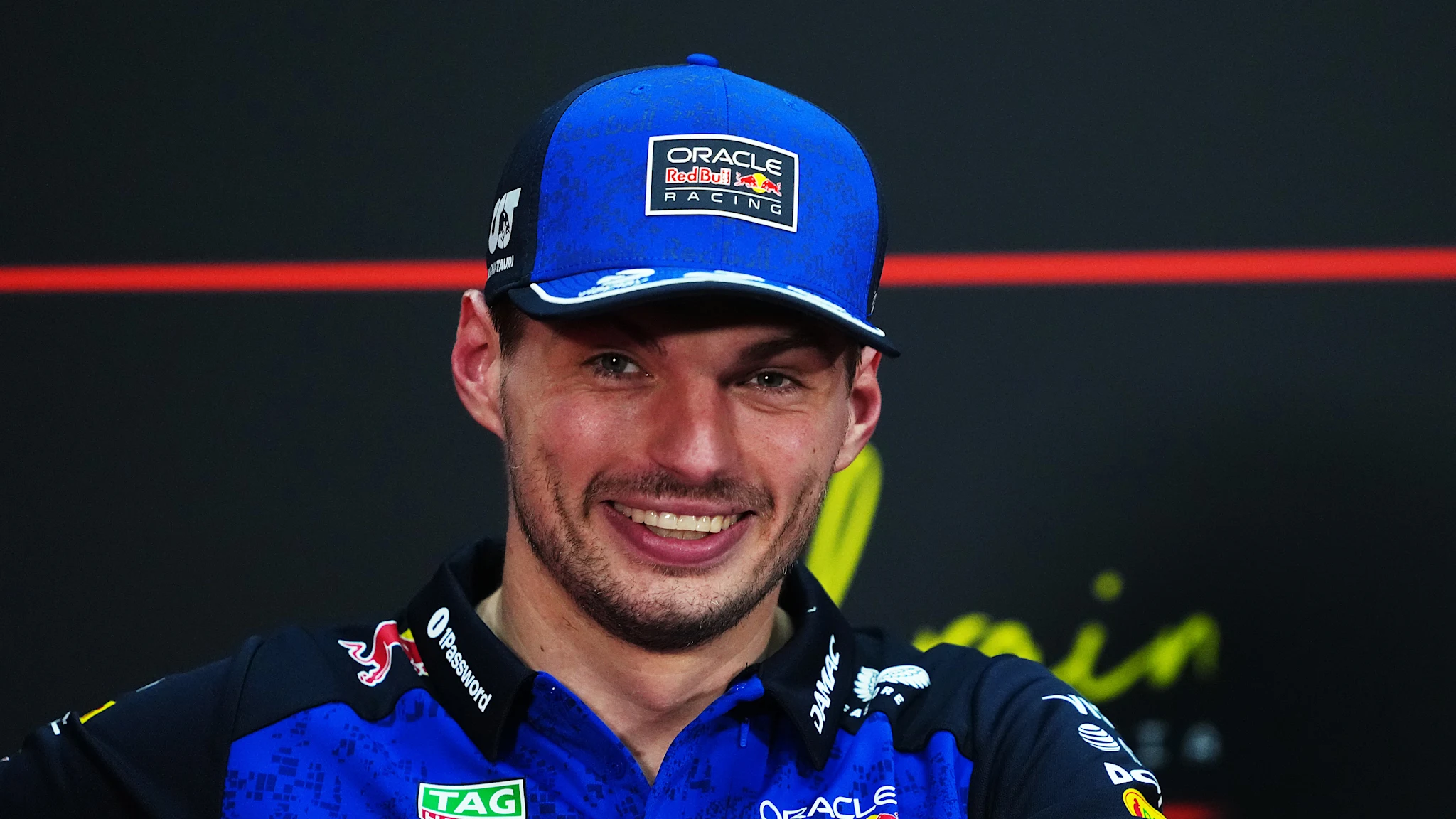
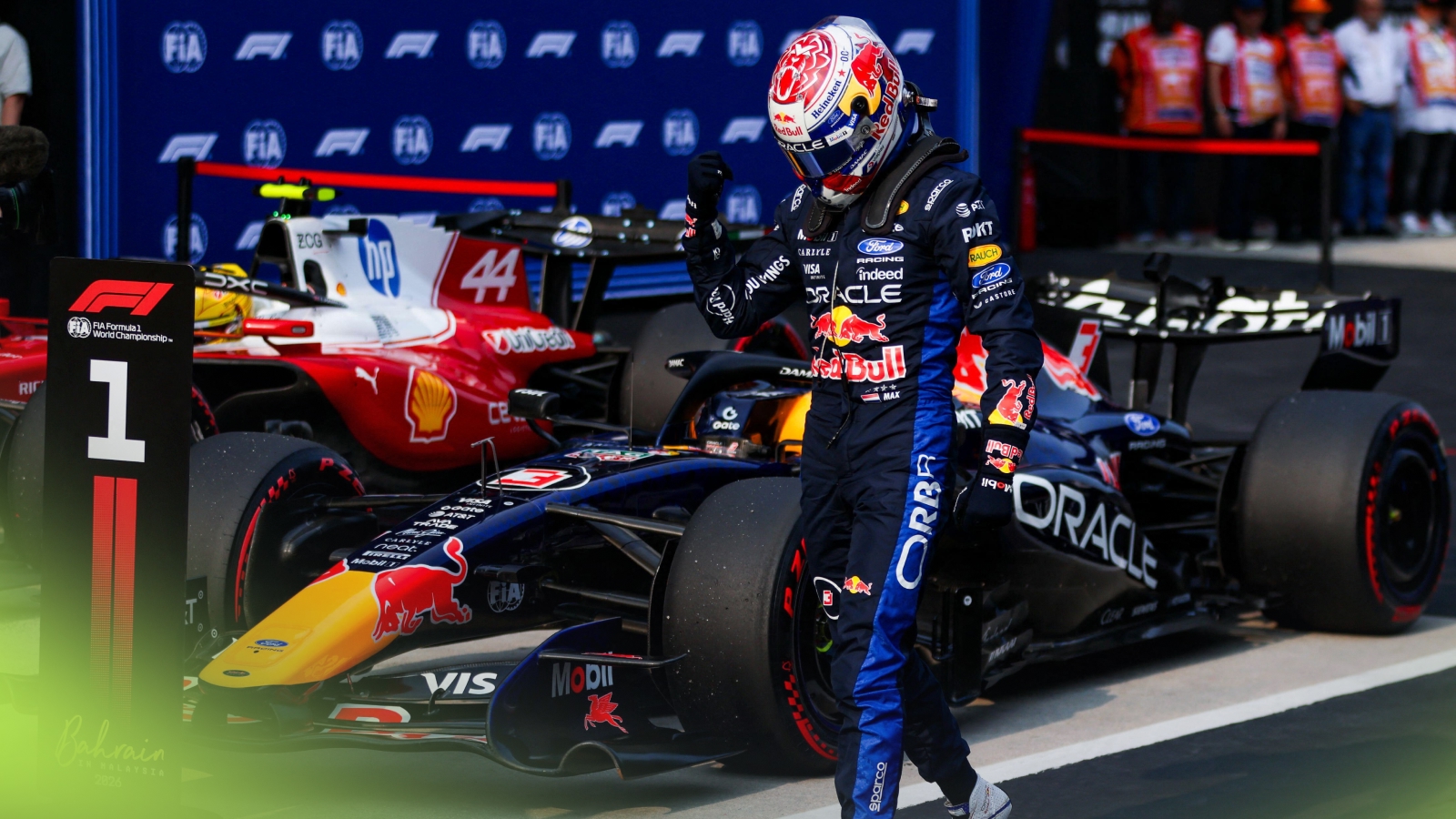
For any driver, the prospect of donning the scarlet race suit of Scuderia Ferrari is the fulfillment of a lifelong ambition. For Lewis Hamilton, the seven-time world champion, it was described as a "childhood dream" following his high-profile move from Mercedes. But as the 2026 season unfolds, the dream is meeting the reality of a team caught between its unparalleled prestige and a decade-long struggle to return to the summit of the sport.
While Ferrari remains the most successful team in Formula 1 history—boasting 16 Constructors' Championships and 15 Drivers' Championships—the gap between their historical dominance and their current performance is widening. The Tifosi, Ferrari's famously passionate fanbase, have been waiting since 2008 to see the team lift the Constructors' trophy again. As the team navigates this period of relative stagnation, the technical architecture of the SF-25 has become the central focus of both engineers and critics alike.
The Pull-Rod Gambit: A High-Stakes Technical Pivot
To break the cycle of recent underperformance, Ferrari has introduced a radical shift in the design of the SF-25. The most significant departure from the previous SF-24 lies in the suspension architecture. Moving away from the traditional push-rod setup, the Maranello-based squad has transitioned to a pull-rod configuration for both the front and rear axles.
In a push-rod system, the rod connecting the wheel to the shock absorber is pushed upward toward the chassis during a bump. In contrast, the pull-rod system works by transferring the movement of the wheel downward, pulling on the shock absorber. This change is not merely aesthetic; it is a calculated tactical trade-off:
- The Advantage: A significantly lower center of gravity, which can enhance stability and aerodynamic efficiency.
- The Disadvantage: A heightened sensitivity to setup changes, potentially making the car more difficult to tune for varying track conditions.
Ferrari's decision to implement pull-rod suspension on both axles differentiates them from rivals McLaren and Red Bull, who have opted for the pull-rod configuration primarily on the front end. According to team representatives, the primary objective was to improve airflow around the car and unlock aerodynamic potential that had been virtually exhausted in the previous year's design. This move seeks to provide the SF-25 with a higher performance ceiling, provided the team can master the increased complexity of the setup.
Maranello’s Math: Results vs. Reputation
The technical ambitions of the SF-25 are being tested by the immediate reality of the standings. Despite the potential of the new architecture, the results in the 2026 season reflect a team that is fighting for podiums rather than dominance. In a recent competitive outing—the Heineken Dutch Grand Prix—Hamilton and Leclerc found themselves trailing the leaders in a race won by McLaren's Lando Norris.
| Driver | Team | Race Position | Gap to Winner |
|---|---|---|---|
| Lando Norris | McLaren | 1st | — |
| Andrea Kimi Antonelli | Mercedes | 2nd | +11.536s |
| George Russell | Mercedes | 3rd | +15.906s |
| Lewis Hamilton | Ferrari | 4th | +16.755s |
| Charles Leclerc | Ferrari | 5th | +17.258s |
While the results are respectable, they highlight the ongoing struggle to convert qualifying pace into race-winning dominance. Hamilton currently sits third in the championship standings with 183 points and five wins, while Leclerc follows with 155 points and four wins. The margin between the Ferrari duo and the frontrunners remains a chasm that the SF-25's technical innovations are intended to close.
A Lineage of Excellence and the Burden of History
The pressure on Hamilton and Leclerc is compounded by the ghosts of Maranello's past. Ferrari's history is a tapestry of both unprecedented supremacy and profound tragedy. The team has seen eras of absolute control, most notably under Michael Schumacher and Jean Todt, who secured five consecutive Drivers' Championships between 2000 and 2004.
The Scuderia's history also includes the legendary contributions of drivers like Alberto Ascari, the double champion of the 1950s, and Niki Lauda, whose resilience after his harrowing 1976 Nürburgring accident helped secure multiple constructors' titles. Even the tragic loss of Gilles Villeneuve in 1982 serves as a reminder of the intense, sometimes perilous, stakes associated with the red car.
Today, the team operates with the same mission: to honor the legacy of Enzo Ferrari by returning to the top step of the podium. With the HP-sponsored dark red livery and a redesigned chassis, the SF-25 is the physical manifestation of that mission.
"I feel incredibly lucky. After what we achieved with Mercedes, I am happy that I can fulfill another childhood dream, racing in a red Ferrari."— Lewis Hamilton, via Instagram
Evidence-Led Forecast
Tactical Pattern: As the season progresses, expect Ferrari to lean heavily on Charles Leclerc's "blistering qualifying pace" to secure track position, while Lewis Hamilton's experience in racecraft will be utilized to manage tire degradation during longer stints. The SF-25's pull-rod setup may result in a car that is exceptionally fast in single-lap qualifying but requires meticulous, high-precision setup work to remain competitive during a race race as track temperatures fluctuate.
Decisive Matchup: The effectiveness of the SF-25's rear pull-rod suspension against the more conventional setups of Red Bull and McLaren will be the season's defining technical battle. If Ferrari can stabilize the car's handling across a wider window of tire wear, they will move from podium contenders to title threats.
Strongest Counter-case: If the inherent difficulty of making setup changes to a pull-rod system becomes a liability, Ferrari may find themselves trapped in a cycle of "faltering strategy" and technical inconsistency, unable to adapt to the diverse demands of the global race calendar.
Sources
These sources formed the evidence pack for this article. Links open the original publisher; inclusion does not imply endorsement.
- motorsportzive.cz original
- autobible.euro.cz original
- total-motorsport.com original
- oneplay.cz original