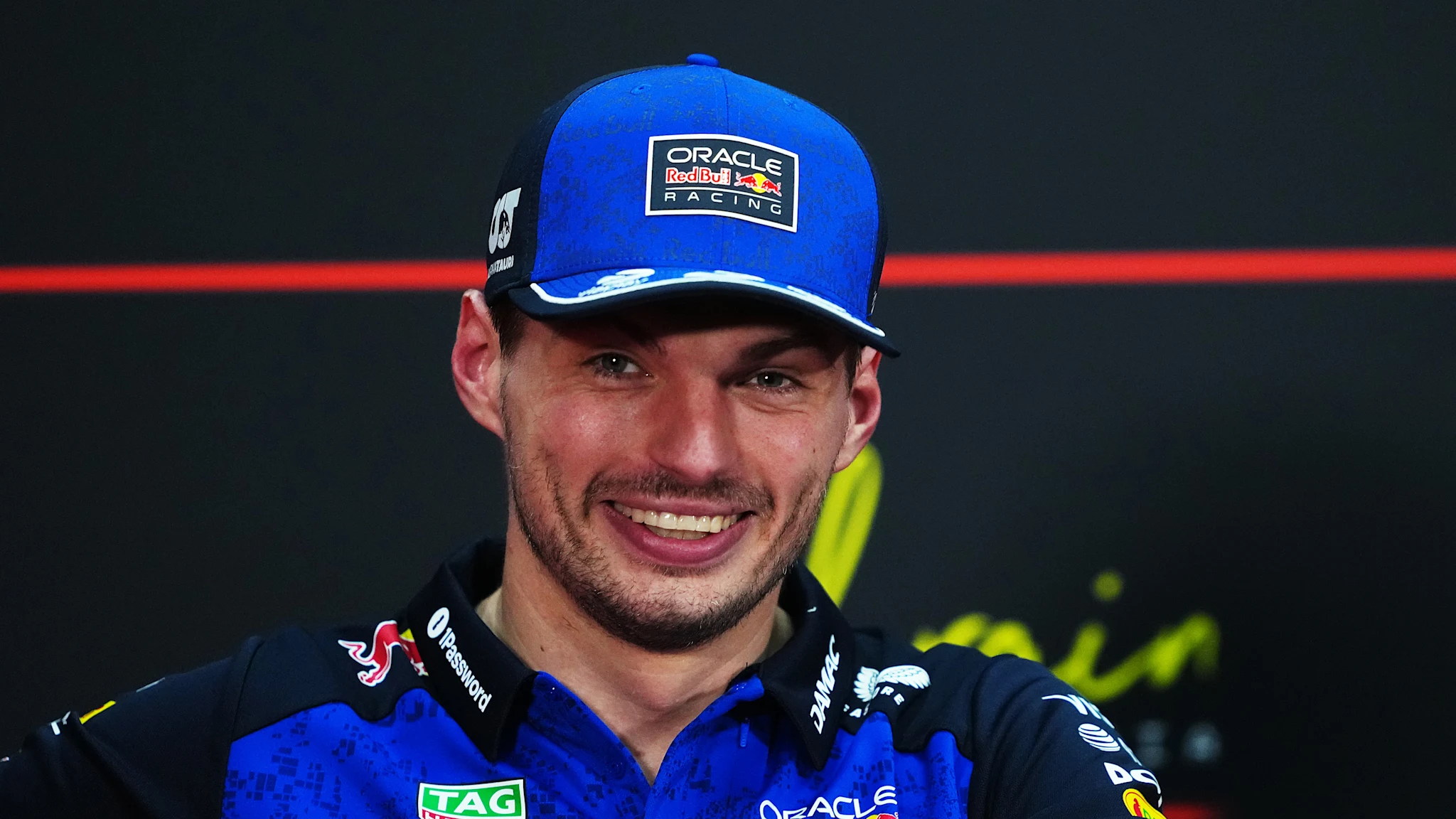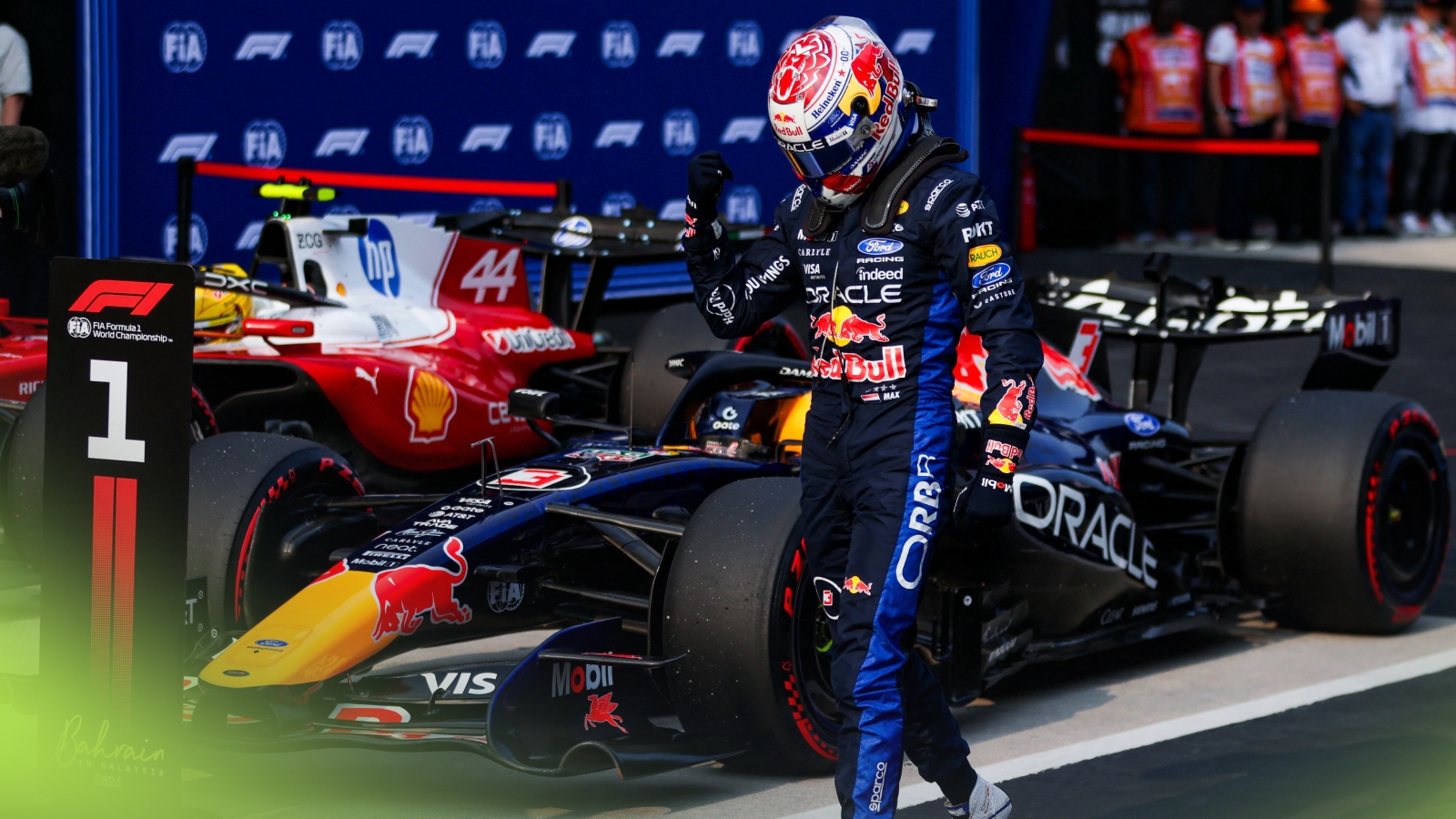
The Formula 1 paddock descends upon the Ardennes this weekend with two diametrically opposed narratives colliding at one of the sport's most unforgiving cathedrals of speed. Following Charles Leclerc’s hard-fought victory at Silverstone—a win that marked the 250th Grand Prix success for Ferrari—the Scuderia arrives at Spa-Francorchamps riding a wave of renewed ambition. However, the technical demands of the Belgian circuit ensure that momentum alone is never a guarantee of success.
For Mercedes, the weekend is less about capitalizing on success and more about a desperate quest for stability. The Brackley-based squad enters the weekend preoccupied with the reliability of their power unit, following the technical failures that saw Kimi Antonelli removed from contention during the Silverstone battle. As the teams prepare for the opening practice sessions, the focus shifts from sheer pace to the precarious balance of mechanical integrity and aerodynamic compromise.
The Aerodynamic Tug-of-War at Spa
Spa-Francorchamps is often described as the 'university' of Formula 1, and for good reason. It is a circuit that punishes a one-dimensional setup. The technical challenge for engineers this weekend lies in a brutal trade-off: the necessity for low drag to maximize top speeds on the massive climbs and long straights of the first and third sectors, versus the requirement for extreme stability in the high-speed, high-load sequences of Eau Rouge, Raidillon, and Pouhon.
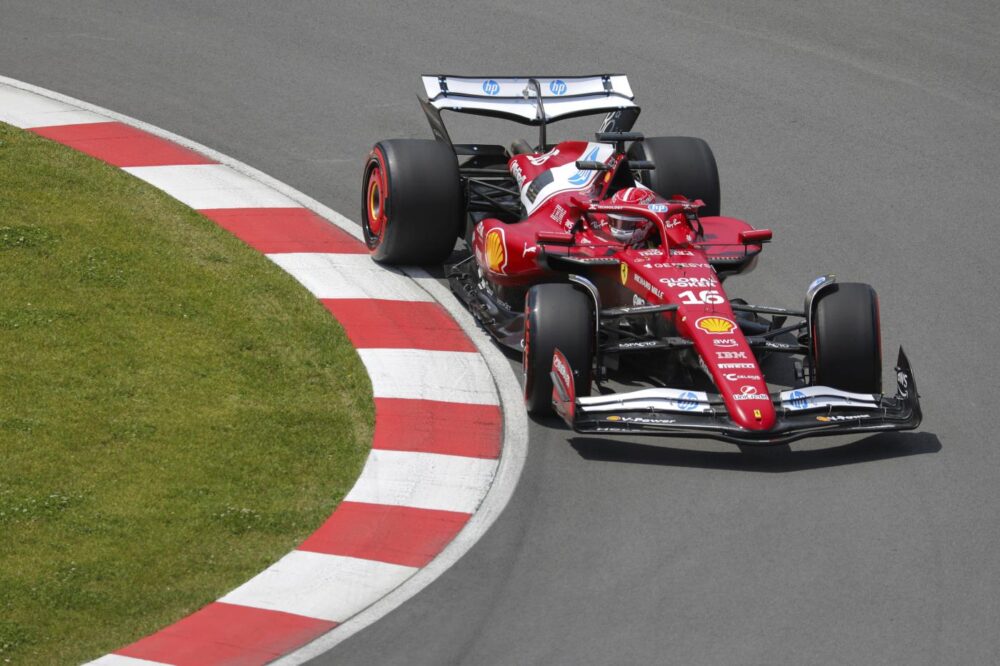
A car that is too efficient on the straights will struggle to maintain the necessary downforce through the sweeping corners, leaving drivers vulnerable in the most critical sections of the track. Conversely, a high-downforce setup that provides stability through the technical sectors may leave a driver a sitting duck on the runs toward the finish line. This tension is further complicated by the notoriously fickle weather of the Ardennes, where a sudden shift in conditions can render a carefully crafted aerodynamic package obsolete in minutes.
Reliability vs. Raw Pace
The championship implications of this weekend are heightened by the divergent paths of the frontrunners. Ferrari’s SF-26 has shown a clear leap in performance, but the team must now prove that this speed is transferable to a track where efficiency is paramount. After the emotional high of Silverstone, the challenge is to convert tactical success into consistent technical dominance.
Mercedes, meanwhile, is navigating a high-stakes investigation. The power unit issues that hampered Antonelli at Silverstone have cast a shadow over the team’s preparations. For Mercedes, the first two practice sessions are not merely about finding the optimal racing line; they are a critical diagnostic period to ensure that the issues encountered in the UK do not repeat themselves under the unique thermal and load stresses of the Belgian circuit.
2026 Belgian Grand Prix Official Schedule
Fans can follow the action live on Sky Sport F1, with selective coverage available on TV8. Below is the official programming for the weekend of July 17–19, 2026.
| Session | Date | Time (Local) | Broadcaster |
|---|---|---|---|
| Free Practice 1 | Friday, July 17 | 13:30 | Sky Sport F1 |
| Free Practice 2 | Friday, July 17 | 17:00 | Sky Sport F1 |
| Free Practice 3 | Saturday, July 18 | 12:30 | Sky Sport F1 |
| Qualifying | Saturday, July 18 | 16:00 | Sky Sport F1 |
| Qualifying (Delayed) | Saturday, July 18 | 18:20 | TV8 |
| Grand Prix | Sunday, July 19 | 15:00 | Sky Sport F1 |
| Grand Prix (Delayed) | Sunday, July 19 | 18:00 | TV8 |
Evidence-Led Forecast
Likely Tactical Pattern: Expect a split in garage philosophies during Friday's sessions. Teams will likely oscillate between high-downforce configurations to map cornering stability and low-drag setups to evaluate straight-line efficiency. The final race trim will likely settle on a medium-drag compromise to prevent being overtaken on the long climbs.
Decisive Matchup: The technical duel between Ferrari’s aerodynamic efficiency and Mercedes’ power unit reliability. If Mercedes cannot resolve the stability issues that plagued Antonelli, the battle for the podium may become a Ferrari-dominated affair.
Strongest Counter-Case: The Ardennes weather. A sudden influx of rain would neutralize the aerodynamic advantage of the faster cars and shift the focus entirely to driver adaptability and mechanical grip, potentially opening the door for teams currently struggling with high-speed stability.
What Changes the Read: Any reliability failure in Free Practice 1 or 2 regarding the Mercedes power unit would fundamentally shift the narrative from a performance battle to a survival exercise for the Brackley squad.
Sources
These sources formed the evidence pack for this article. Links open the original publisher; inclusion does not imply endorsement.
- Marco Talluto original
- fanpage.it original
- sport.sky.it original
- programmi.sky.it original
- Francesco Paone Casati original