Related coverage
View the Instagram post
The Aftermath of Upheaval
The English cricket landscape has undergone a violent restructuring. What began as a period of revolutionary progress in the Test arena has collided with off-field volatility, leaving the England and Wales Cricket Board (ECB) to navigate a landscape defined by retirement, disciplinary inquiry, and sudden leadership shifts.
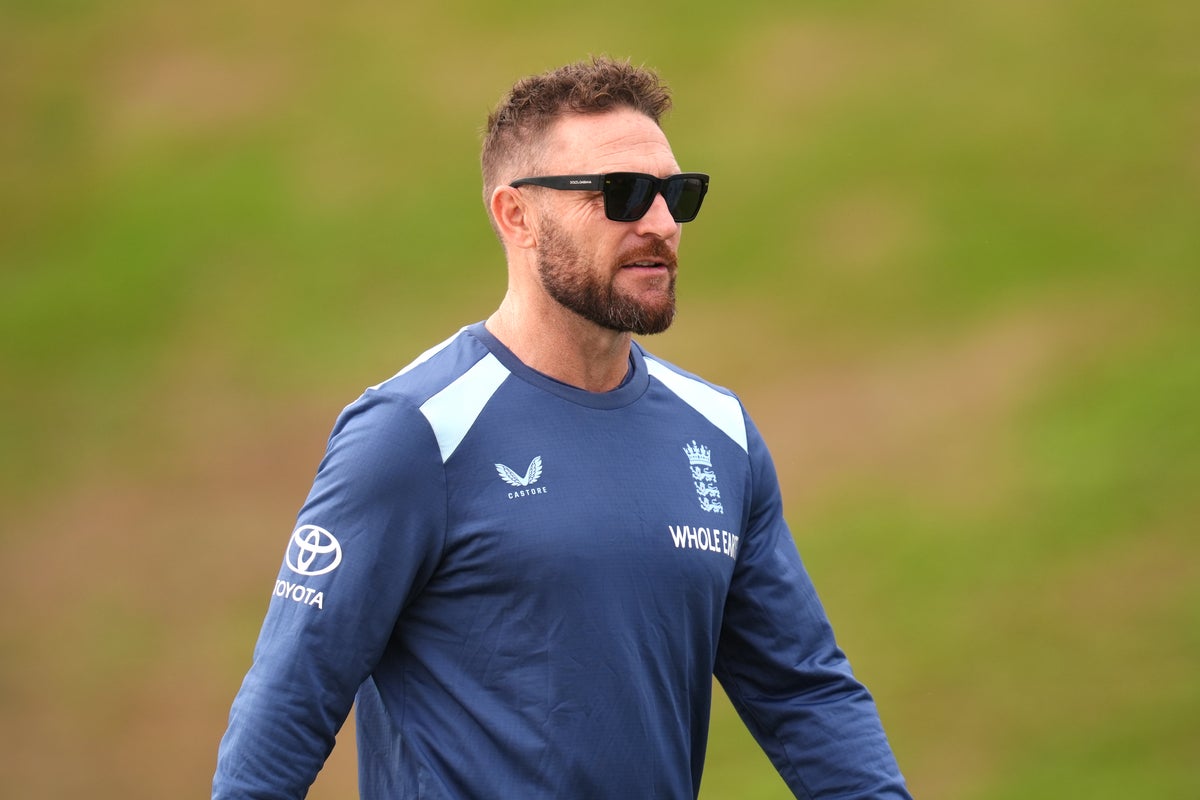
The catalyst for this upheaval was a nightclub brawl that triggered an official inquiry, resulting in a one-Test ban for fast bowler Gus Atkinson and the subsequent international retirement of Ben Stokes. This sequence of events, coupled with a 1-2 home series loss to New Zealand, effectively ended the red-ball tenure of Brendon McCullum. While the ECB confirmed that McCullum was removed from his Test coaching role with immediate effect in July, his departure was not a total exit; he has been retained to lead the white-ball setup.
With Stephen Fleming eventually stepping into the Test coaching vacuum, the ECB has signaled a desire for a fresh direction as they target the 2027 Ashes. However, for those within the inner circle, this perceived setback may actually be a calculated strategic advantage.
The Specialized Mandate
Jos Buttler, the man who captained England during their difficult 2023 title defense, believes the splintering of McCullum’s responsibilities is exactly what the white-ball squad requires. According to Buttler, the decision to relieve McCullum of his Test duties has transformed his approach from a broad, stretched leadership to a singular, obsessive pursuit of silverware.
He's only got one focus now and that is the white ball,Jos Buttler, speaking on the For the Love of Cricket podcast said.It's not that he couldn't do everything, because he could, but your time is more spread and you've got more to think about with the Test team as well. Now he can focus solely on white-ball cricket—T20, yes, but mainly ODI cricket with that World Cup on the horizon.
Buttler’s analysis suggests that McCullum's natural temperament is "all in" on specific targets. By narrowing the New Zealander's remit, England has effectively granted their white-ball coach the luxury of time and cognitive bandwidth that the dual-role demands rarely allow.
The Statistical Dividend
If the "specialized focus" theory holds water, the summer's results provide the first significant evidence. Since being relieved of his red-ball duties, McCullum’s white-ball side has undergone a notable resurgence, recording 11 wins and only two defeats. This period of dominance included crucial One Day International (ODI) series victories over both India and Sri Lanka.
The most emphatic statement of intent came in a 4-0 series sweep against the T20 World Champions, India, which included a 56-run victory in Southampton. This run has provided a vital lift to an ODI setup that had been steadily declining since their 2019 World Cup triumph. For a team looking to reclaim its status as a global powerhouse, the data suggests that the split coaching model is already yielding dividends.
The Fragile Foundation
However, the roadmap to the World Cup in southern Africa is not without significant structural risks. The primary concern is the availability of the very man providing this strategic insight: Jos Buttler. The veteran campaigner is currently sidelined with a hamstring injury, a setback that has already ruled him out of the upcoming tri-series in Pakistan.
The uncertainty surrounding his recovery is palpable. Buttler has undergone scans and is awaiting specialist consultation, leaving a massive void in England's pre-tournament preparations. If the injury persists, England’s most experienced one-day player could miss as many as eight ODIs, including a critical November tour of Australia. Without Buttler’s leadership on the pitch, the specialized coaching of McCullum may lack the essential on-field execution required to translate tactical focus into tournament trophies.
Evidence-Led Forecast: The Southern Africa Campaign
Likely Tactical Pattern: Expect McCullum to implement an even more aggressive, high-variance ODI strategy, utilizing the extra preparation time to tailor specific bowling rotations and batting tempos for southern African conditions. The focus will likely be on high-intensity, specialized role assignments rather than the "one size fits all" approach that saw England struggle in India two years ago.
Decisive Matchup: The synergy between McCullum’s tactical planning and the fitness of the senior core—specifically Buttler. If Buttler returns to full strength, England will possess a rare combination of specialized coaching and veteran stability.
Strongest Counter-Case: A prolonged absence of key senior players like Buttler. If the squad is forced into the World Cup with a heavy reliance on inexperienced talent, the technical gap between England’s planning and their match-day execution could widen, regardless of McCullum's focus.
What Would Change the Read: A failure to secure ODI wins in the upcoming Australian tour or continued injury concerns within the specialist batting unit would suggest that the coaching split, while conceptually sound, is being undermined by physical attrition.
Sources
These sources formed the evidence pack for this article. Links open the original publisher; inclusion does not imply endorsement.
- outlookindia.com original
- gulfnews.com original
- skysports.com original
- independent.co.uk original