On October 16, 2012, Steve Hart, then the head coach of the Canadian men's national team, faced a nightmare scenario in San Pedro Sula, Honduras. His squad arrived plagued by charter flight delays, technical difficulties, food poisoning, and sleepless nights. The subsequent 8-1 loss was more than a defeat; it was a systemic collapse that sent Canada plummeting to 122nd in the FIFA world rankings. Reflecting on the result, Hart later admitted to The Athletic, "It’s always my pain." At the time, the performance served as a stark indicator that Canada was far removed from the global football conversation.
Thirteen years later, the narrative is unrecognizable. Canada’s 2026 World Cup journey ended in the Round of 16 following a 3-0 loss to Morocco, yet the tournament represented the most significant period in the program’s history, including its first-ever World Cup points and a knockout-stage victory over South Africa.
The Structural Foundation of a New Identity
Canada’s rise has been underpinned by an institutional embrace of its multicultural roots. A nation where 23% of the population is foreign-born, Canada Soccer moved to integrate diaspora talent into its pipeline. This strategy, cultivated during Victor Montagliani’s tenure as president, included the successful recruitment of high-profile dual nationals. By 2015, the effort to secure talent—such as convincing Brampton-born Junior Hoilett to represent Canada—set a precedent. Current data shows the 26-man World Cup roster highlights this diversity, with 15 players eligible for other nations and seven born abroad, including key contributors like Jonathan David, Ismaël Koné, and Luc de Fougerolles.
Beyond recruitment, the professionalization of the domestic game through Major League Soccer (MLS) academies provided the necessary training ground. Eleven members of the 2026 squad passed through Canadian MLS academies, while another ten gained experience within MLS clubs. This consistency in competitive environments allowed players to bridge the gap between amateur status and professional global standards.
The Morocco Threshold: A Tactical Reality Check
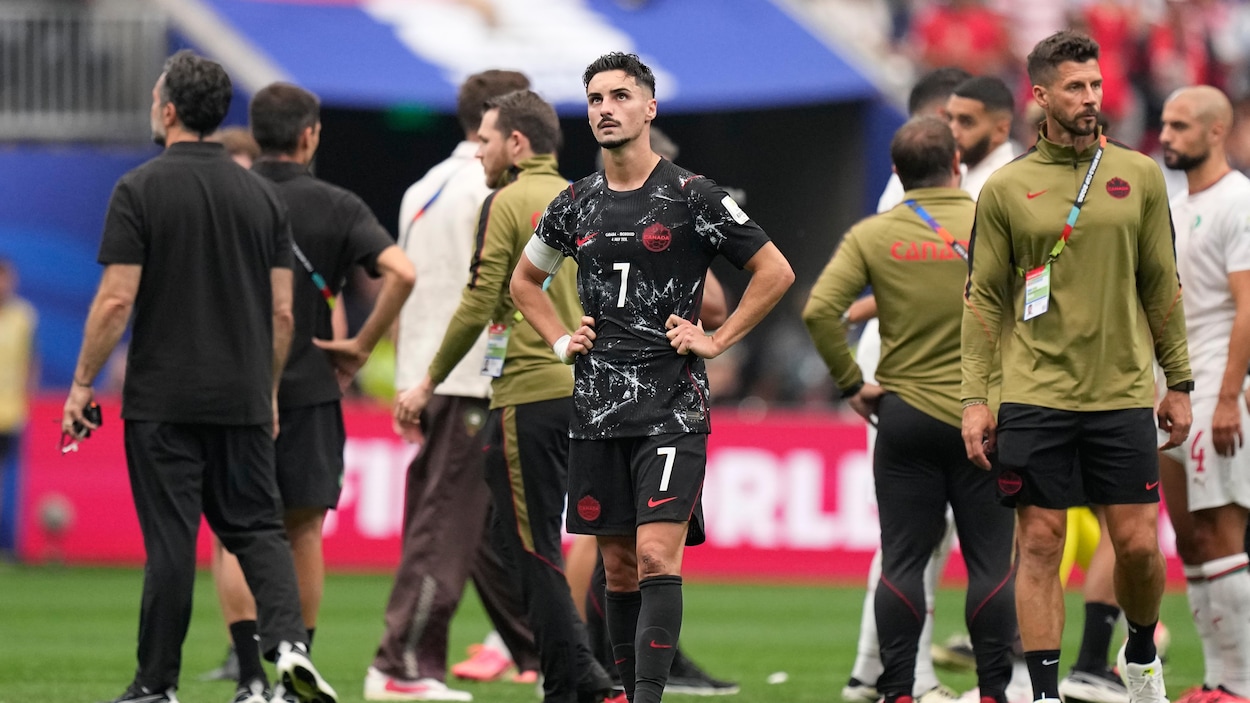
The Round of 16 match against Morocco served as a definitive test of Canada’s current ceiling. Coach Jesse Marsch’s side showed promise early, dominating the first half with a 4-1 advantage in scoring chances. However, the match highlighted the gulf in clinical execution between a rising nation and a solidified global power. A Moroccan free kick in the 50th minute shifted the match dynamic, exposing Canada’s inability to maintain its defensive structure under pressure. As Marsch noted post-match, the squad must remain humble and acknowledge the significant work required to move from being a dangerous underdog to a clinical powerhouse.
Conditions in Houston also played a tangible role in the team's fatigue. Players faced temperatures of 34 degrees Celsius with a heat index reaching 39 degrees. Managing this physical toll against an experienced Moroccan side, which had just navigated a 120-minute knockout match, underscored the necessity for better physical load management in high-stakes tournament environments.
Cultural Integration and Political Support
The rise of the team has rippled outward, permeating Canadian cultural and political spheres. Coach Marsch has spoken openly about the surreal support received from figures like Wayne Gretzky, who provided regular motivation via text. Meanwhile, basketball icon Steve Nash offered tactical encouragement to the squad ahead of their group-stage finale against Switzerland. Even the political arena took notice, as Prime Minister Mark Carney delivered a speech to the team following their 6-0 victory against Qatar, reinforcing the squad’s role as representatives of a nation finally recognizing its own potential.

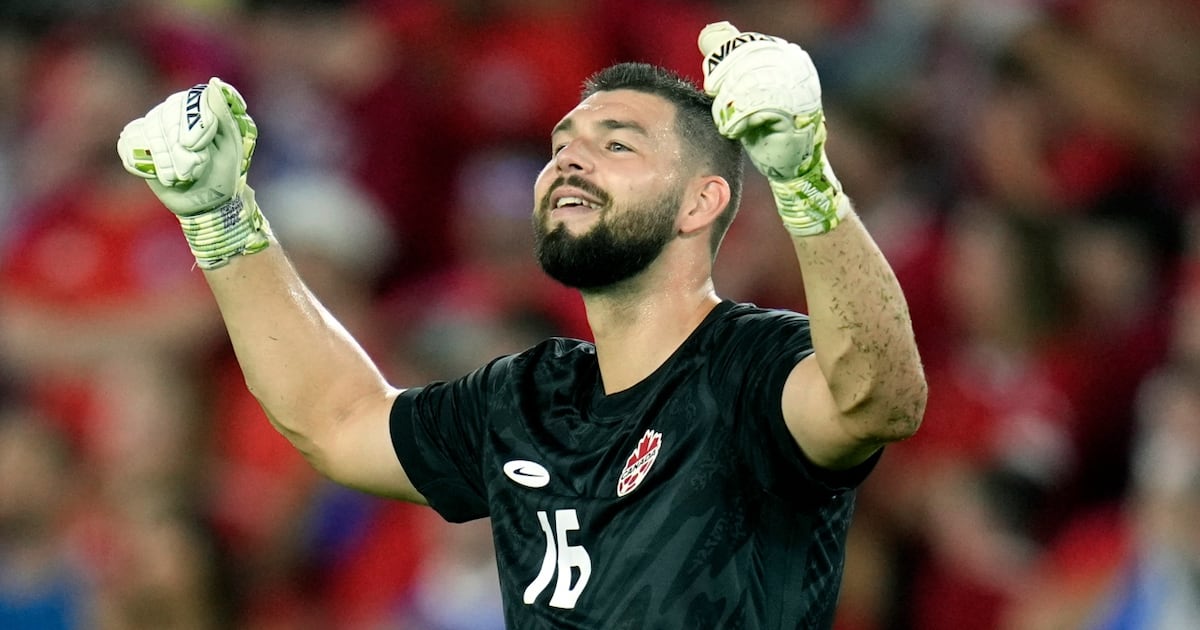
As Alistair Johnston noted, the scenes in Vancouver and Toronto during the tournament proved that Canada is now a legitimate soccer nation. The challenge moving forward is sustaining this momentum. Unlike the 2026 cycle where co-hosting guaranteed entry, the path to 2030 requires navigating the intense CONCACAF qualification process. The mission for veterans like Maxime Crépeau and the younger generation led by Luc de Fougerolles is clear: move beyond the miracle of qualification and establish a culture where World Cup appearances are an expectation rather than a singular event.
Sources
These sources formed the evidence pack for this article. Links open the original publisher; inclusion does not imply endorsement.
- lesnews.ca original
- lapresse.ca original
- ici.radio-canada.ca original
- Gemma Karstens-Smith original
- rds.ca original