When the final ice shavings of the 2026 Winter Olympics were cleared, the ledger for the Federazione Italiana Sport del Ghiaccio (FISG) appeared definitively positive. With 11 medals, including four golds, the federation claimed nearly 37 percent of Italy’s total Olympic haul. Yet, as the federation heads to Bolzano on July 25, 2026, for its 17th Ordinary Elective National Assembly, the prevailing sentiment is not one of serene satisfaction, but of a precarious inflection point. The numbers—the 21,281 registered members, a 14-year high—suggest growth. But the candidates vying to replace incumbent President Andrea Gios are focused on the rot hidden beneath those figures.
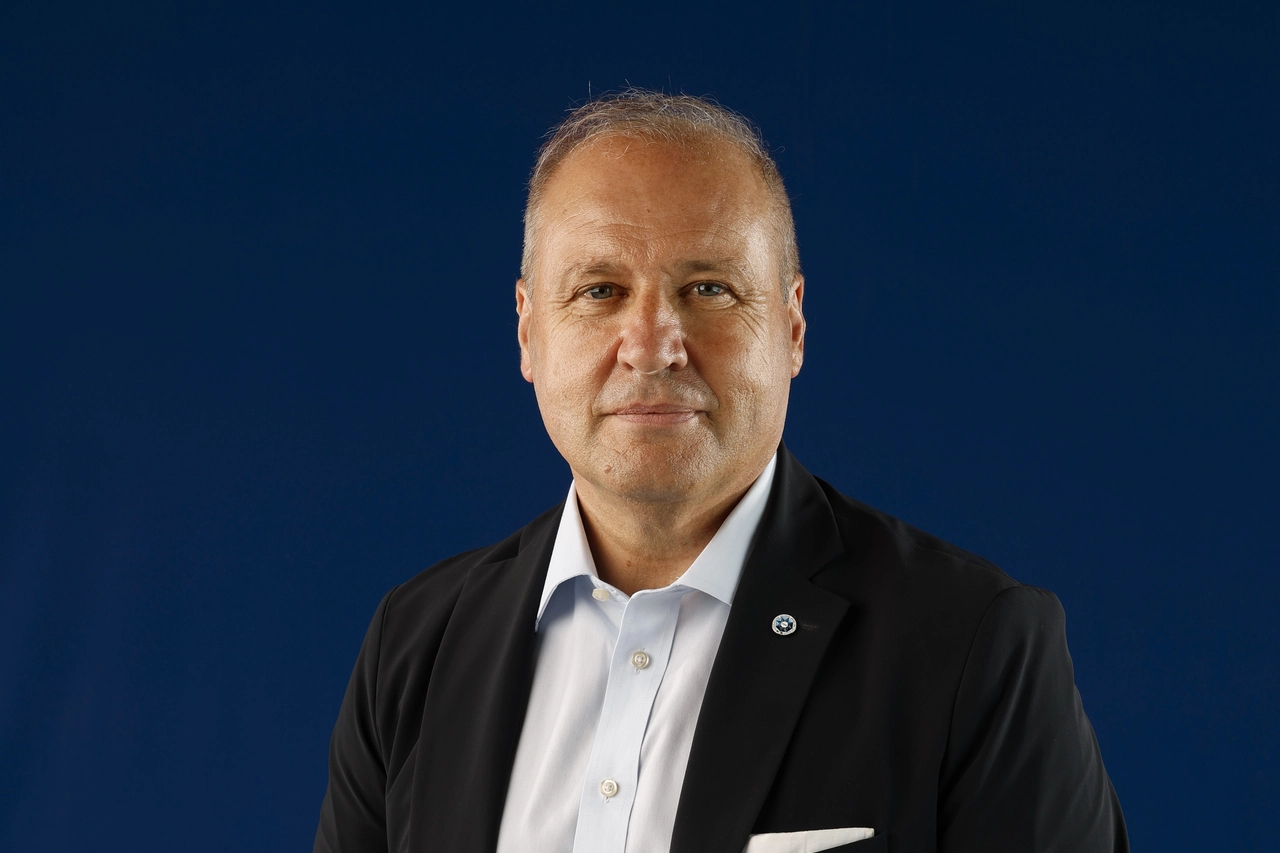
The central tension of this election is the disconnect between the elite, medal-winning success of the current regime and the structural reality for the average athlete. Andrea Gios, who has led the federation since 2014, views the recent Olympic cycle as a managerial triumph. He credits a robust system—where 80 percent of resources are reinvested directly into sport—for the success of skaters like Francesca Lollobrigida and the historical evolution of the Italian women’s hockey program. His defense is rooted in professionalism and the "miraculous" delivery of the Games, which he insists provides the leverage needed to finally secure permanent, sustainable infrastructure in major urban centers like Milan.
However, challenger Fabio Labia is running on a platform that frames the Gios era as an exercise in living off historical interest rather than building for the future. For Labia, the founder of the International Hockey School, the "miracle" of 2026 is a distraction from an unforgivable truth: Italy operates with fewer than 50 covered, active ice rinks. By contrast, he points to Sweden’s 400-plus rinks as the gold standard of system-building. Labia’s diagnosis is blunt: the current distribution of rinks—heavily concentrated in the alpine North—effectively excommunicates the center and south of Italy from the ice, creating a talent bottleneck that is more artificial than geographical.
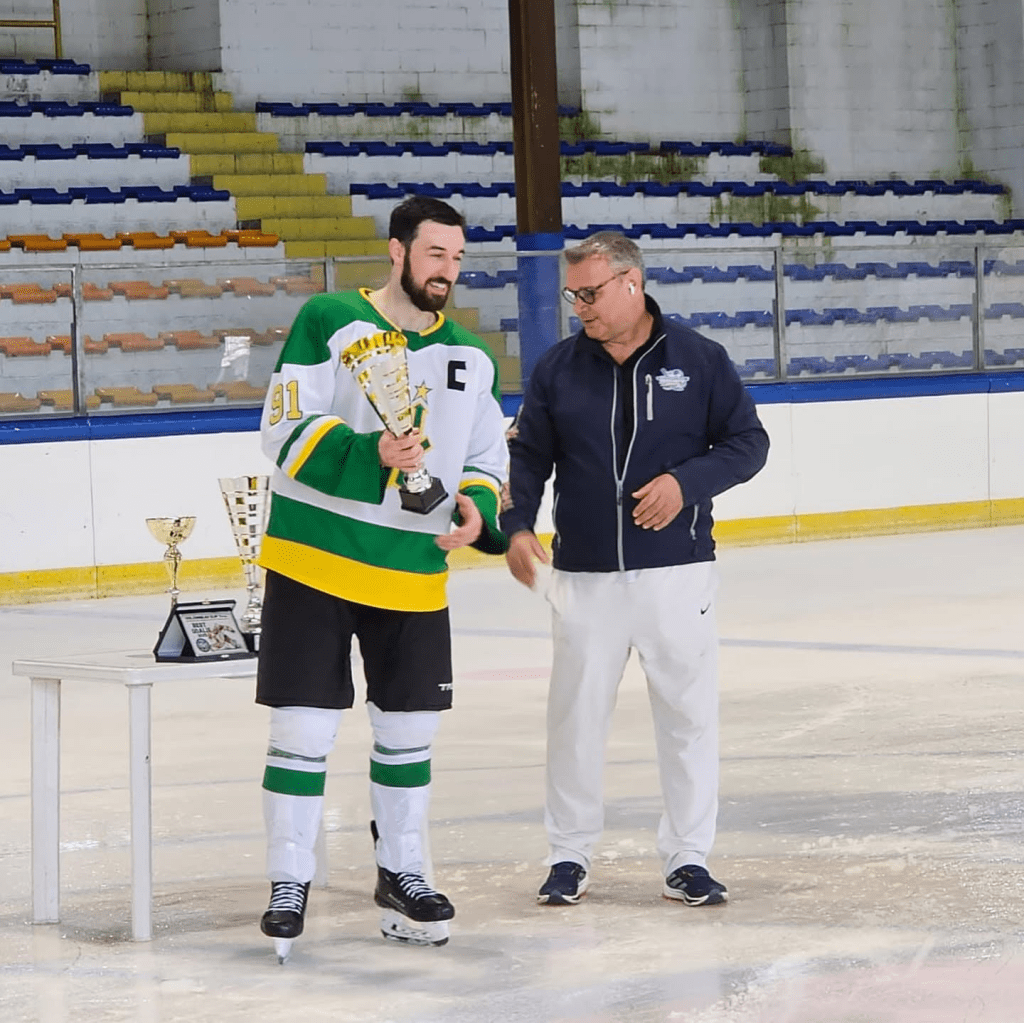
The structural disparity is underscored by the arithmetic of the vote. The FISG electoral college is heavily skewed toward the North, with Alto Adige alone wielding 33.60% of the voting power. Lombardy, Trentino, and Veneto add significant weight, meaning that any candidate—whether it be Gios, Labia, Walter Andriolo, or Tommaso Teofoli—must address the core constituency of the alpine regions while promising a pivot toward broader accessibility. It is a balancing act of political preservation versus systemic reform.

This election will be decided by 217 affiliated societies, whose voting power is a cocktail of base quotas and performance-based merit. Hockey holds the largest stake at 31.40%, followed by figure skating at 26.30%. The candidates are keenly aware that they aren't just selling a vision; they are managing a delicate financial ecosystem. Gios has touted a budget that hit a break-even point of 11 million euros in 2026, a result of tight operational control. Labia, meanwhile, argues that the current costs of access for families are prohibitive and that the federation’s reliance on cyclical Olympic funding is a strategic trap.
As the debate moves toward the ballot box in Bolzano, the core disagreement remains: is the Italian ice system a model of efficiency that finally hit its stride, or a fragile edifice held together by the heroics of individual athletes? The fact that a skater like Francesca Lollobrigida must travel abroad for 200 days a year for lack of a covered long-track facility in Italy remains the most damning evidence for the opposition. Regardless of who secures the presidency, the victor will inherit the most significant paradox in Italian sport: the nation has proven it can manufacture champions, but it has yet to prove it can build the houses they deserve to train in.
Sources
These sources formed the evidence pack for this article. Links open the original publisher; inclusion does not imply endorsement.
- Anna Botton original
- Redazione original
- Gaia Piccardi original
- Daniele Amadasi original
- Davide Marostica original
- floccari original