The 2026 Formula 1 season is defined by intense technical volatility, where the distance between championship dominance and a midfield struggle is measured in mere hundredths of a second. The recent qualifying session at the Hungaroring provided a clear look at this shifting landscape, where traditional hierarchies were challenged by extreme precision under pressure.
Lando Norris, the reigning Formula 1 World Champion, secured a vital pole position for the McLaren team at the Hungarian Grand Prix. This marks Norris's first pole of a season that has otherwise been difficult for the team. The session was marked by brief chaos: a slip by Max Verstappen caused a yellow flag, followed closely by an incident involving George Russell. Amidst the disruption, Norris maintained his composure to secure the front-row start. The margins remained razor-thin, with Lewis Hamilton in the Ferrari trailing by only a hundredth of a second, followed by teammate Charles Leclerc and the current championship leader, Kimi Antonelli, in the Mercedes.
The Montreal Variable: A Battle of Compounds
While qualifying drama in Hungary captures the headlines, the technical demands of the calendar require constant engineering shifts. The Montreal Grand Prix serves as a primary tactical crucible. Unlike high-speed permanent circuits where aerodynamic efficiency is paramount, Montreal is fundamentally a test of tire management.
Finding the correct rubber for the track surface is an exercise that remains unsolved for several teams. This specific requirement can cost precious seconds, potentially turning a podium-capable car into a mid-pack struggle if the interface between the tire and the asphalt is miscalculated. It is a battle fought in data and pit wall decision-making rather than pure driver instinct.
The strategic balance of a race often hinges on the Drag Reduction System (DRS), a mechanism allowing drivers to open their rear wing on straights to reduce drag and facilitate overtaking.
Engineering Through a Calendar of Extremes
With 24 races on the 2026 schedule, teams must oscillate between wildly different engineering philosophies, requiring immense adaptability from both the machinery and the crews:
- The Street Circuit Specialists: Tracks such as the Circuit de Monaco and the Marina Bay Street Circuit in Singapore demand extreme mechanical grip on narrow, often public-road-based layouts.
- The High-Speed Classics: The "Ardennes Rollercoaster" of Spa-Francorchamps and the historic Autodromo Nazionale di Monza require cars optimized for rapid elevation changes and sustained high-velocity runs.
- The Environmental Extremes: From the summer heat and potential thunderstorms of the Hungaroring to the significant temperature fluctuations seen in Abu Dhabi, technical reliability is under constant assault.
This diversity is further complicated by strict regulatory frameworks. Beyond technical specifications, teams must operate within rigorous financial limits, adding an economic dimension to the pursuit of the Constructors' Championship.
The Hierarchy of Performance
As the season progresses, the drive for points remains the primary motivator for technical development. The current points structure rewards the top finishers with 25, 18, and 15 points respectively. This high-pressure environment makes every technical upgrade significant, such as the 16 upgrades recently implemented on Fernando Alonso's Aston Martin, which saw him qualify in 16th place.
| Category | Key Detail |
|---|---|
| Total Races (2026) | 24 |
| Teams on Grid | 10 |
| Drivers per Team | 2 |
| Top Points (1st Place) | 25 |
Evidence-Led Forecast: Technical Adaptability
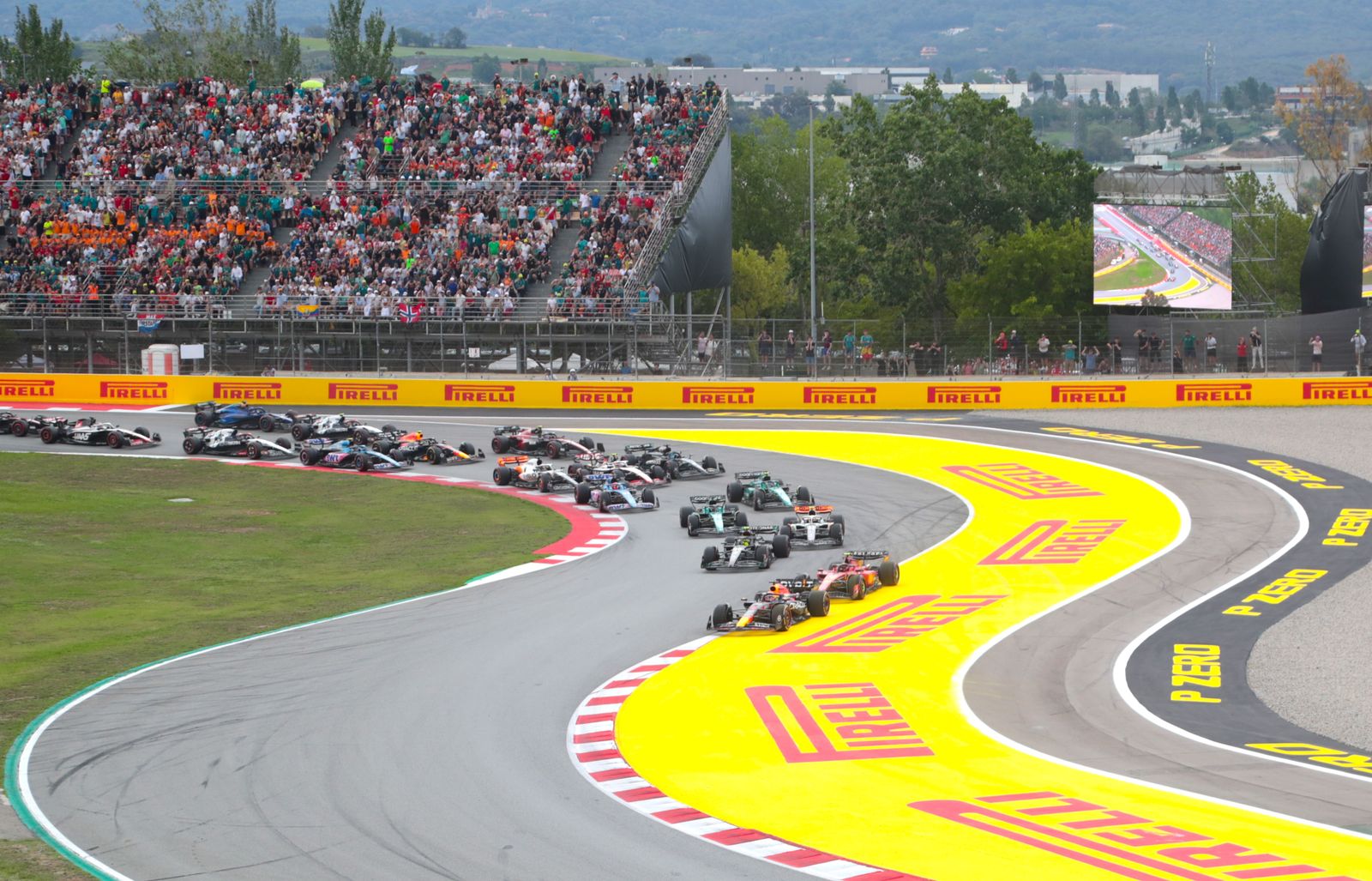
Likely Tactical Pattern: As the season moves through varied climates, a gap is expected to widen between teams that prioritize a "balanced" setup—similar to the requirements in Barcelona—and those that can specialize in extreme specificities like the tire-dependent strategies required for Montreal.
Decisive Matchup: The battle for technical supremacy will likely hinge on the ability to master rapid aerodynamic adjustments required for the hybrid nature of modern street circuits versus the high-speed stability needed for tracks like Monza.
Uncertainty Factor: Any sudden shift in tire degradation patterns or unexpected weather volatility, much like the rain-prone conditions at Spa-Francorchamps, could neutralize the advantage of aerodynamically advanced cars, favoring teams with superior mechanical reliability.
Sources
These sources formed the evidence pack for this article. Links open the original publisher; inclusion does not imply endorsement.
- dertour.de original
- global-tickets.com original
- travelcircus.ch original
- t-online.de original