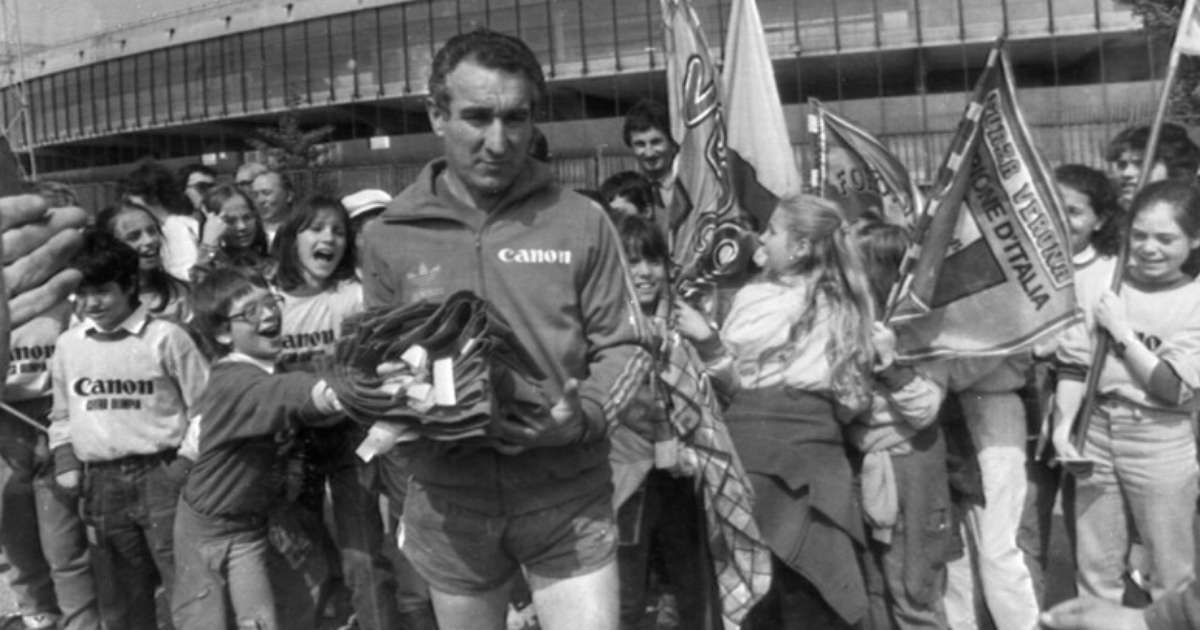
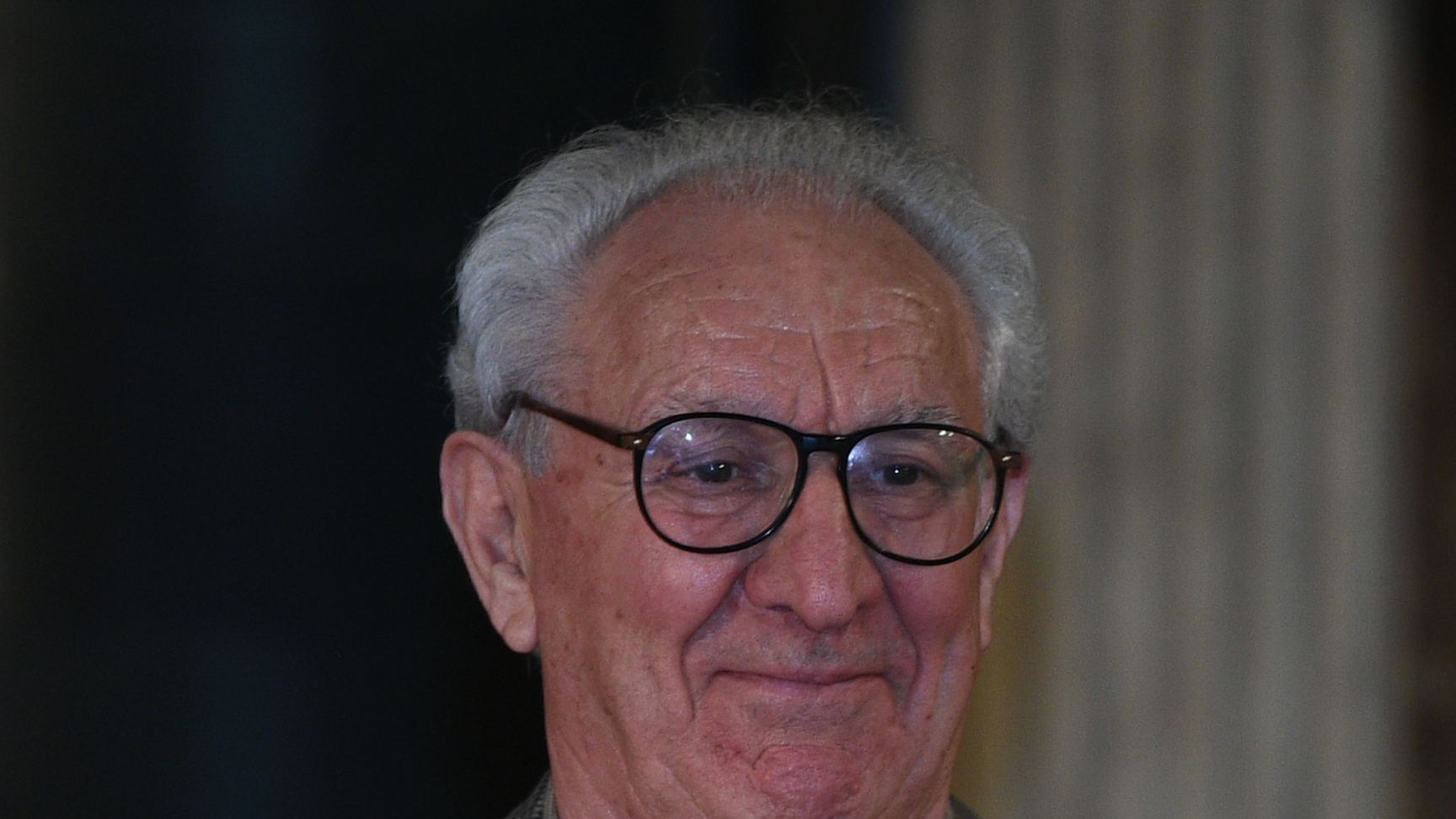
When Osvaldo Bagnoli passed away at the age of 91 at the Borgo Roma Hospital in Verona, Italian football lost one of its last true philosophical pragmatists. Affectionately dubbed the “Schopenhauer de Bovisa” by legendary journalist Gianni Brera in a nod to the famously critical German philosopher, Bagnoli personified a brand of football built on quiet grit, tactical precision, and a stubborn refusal to be cowed by institutional weight. Across the peninsula, clubs whose histories he touched—from his boyhood Milan to his crowning glory in Verona, followed by stops at Genoa and Inter—paused to reckon with the departure of a master builder.
Born in the working-class Milanese neighborhood of Bovisa, Bagnoli's footballing roots stretched deep into the landscape of Calcio. As a player, he pulled on the shirts of Milan—where he won a Serie A title in 1956—alongside spells with Verona, Udinese, Catanzaro, SPAL, and Verbania. Yet it was on the bench, far away from the pampered glamour of Italy’s traditional footballing capitals, that his legacy became monumental. After guiding lower-league sides like Como, Rimini, Fano, and Cesena, Bagnoli took the reins at Hellas Verona in 1981, setting the stage for an immortal sporting anomaly.
The Verona Miracle and the Anatomy of an Anomaly
The 1984/85 Serie A season remains an unrepeatable chapter in Italian football history. In an era governed by the financial muscle and industrial might of metropolitan powerhouses, Bagnoli engineered a miracle: Verona captured the Scudetto, bringing the Italian tricolore flag to the banks of the Adige River for the first and only time in the club's history. It was a triumph born of method, collective discipline, and tactical courage rather than bottomless budgets.
Decades later, the grief felt in Verona remains intensely personal. In an official social media farewell, the club captured the depth of that gratitude:
“Goodbye, Osvaldo. You brought the Scudetto to a city that had never dreamed so high, and you did it with humility, as only legends know how to do. And you are, now and forever, an inimitable legend not only of our team, but of all Italian football. You are the greatest of all.” Hellas Verona
That pragmatic genius did not stop at the foothills of the Alps. Moving to Genoa for the 1990–1992 cycle, Bagnoli crafted another masterpiece, steering the Grifone to a fourth-place finish in Serie A that carried the club back onto the European stage. His tenure produced nights etched into club folklore, most notably a triumphant UEFA Cup campaign at Anfield against Liverpool that was halted only in the semi-finals by Ajax.
Closing the Circle in Milan
Bagnoli’s managerial journey reached its twilight at Inter Milan, where he took charge before concluding his career on the touchline in 1994. Though his final chapter in Milano lacked the fairy-tale conclusion of Verona, his stature as a tactician who could command respect across historic divides remained absolute. When the news of his passing broke, tributes poured in not just from Verona and Liguria, but across the historic institutions of Serie A that recognized the passing of a rare breed of coach—one who let his work on the training pitch speak infinitely louder than any press conference proclamation.

Simona Ferro, Vice President and Sports Councilor for the Liguria Region, remembered Bagnoli as an “example of humility, competence, and elegance,” noting how his historic milestones in Genoa will forever remain anchored in the collective memory of rossoblù supporters. From the factories of Bovisa to the roaring stands of the Bentegodi and Anfield, Bagnoli proved that tactical clarity and humble conviction could alter the destiny of entire cities.
Sources
These sources formed the evidence pack for this article. Links open the original publisher; inclusion does not imply endorsement.
- terra.com.br original
- calciomercato.com original
- La Milano original
- ge.globo.com original
- genovatoday.it original
- Claudio D'Amato original