Scores, fixtures and picks
These are current fixtures from the same sport, shown as a separate live companion rather than evidence for the article. Live status and scores come from the normalized SportyPulses data feed; predictions are reader picks, not betting advice.
When Admiral Joseph Mason Reeve took the field for the Army-Navy game in 1893, his doctor delivered a stark ultimatum: another heavy blow to the head would result in instant dementia. Refusing to miss the rivalry clash, Reeve commissioned a local shoemaker to craft a modified moleskin cap with ear flaps, giving birth to the rudimentary ancestor of the modern football helmet. More than a century later, the crude leather headwear immortalized by films like Leatherheads has morphed into a high-stakes engineering laboratory where multi-thousand-dollar polycarbonate shells, thermoplastic polyurethane cushioning, and wireless analytics vie to mitigate the violent realities of America's most popular sport.
For decades, the evolution of football equipment was defined by trial and error. John T. Riddell introduced the first plastic helmet in 1939, but World War II material shortages and brittle early polymers led to widespread cracking upon impact. By the 1950s and 1960s, as the game grew increasingly physical, the addition of rigid plastic shells and facemasks successfully slashed facial fractures, broken noses, and jawbone breaks. Yet, as neurosurgeon Richard Schneider demonstrated in a landmark 1962 Sports Illustrated analysis of 1959 playing fatalities, equipment alone could not prevent catastrophic internal cranial and spinal trauma.
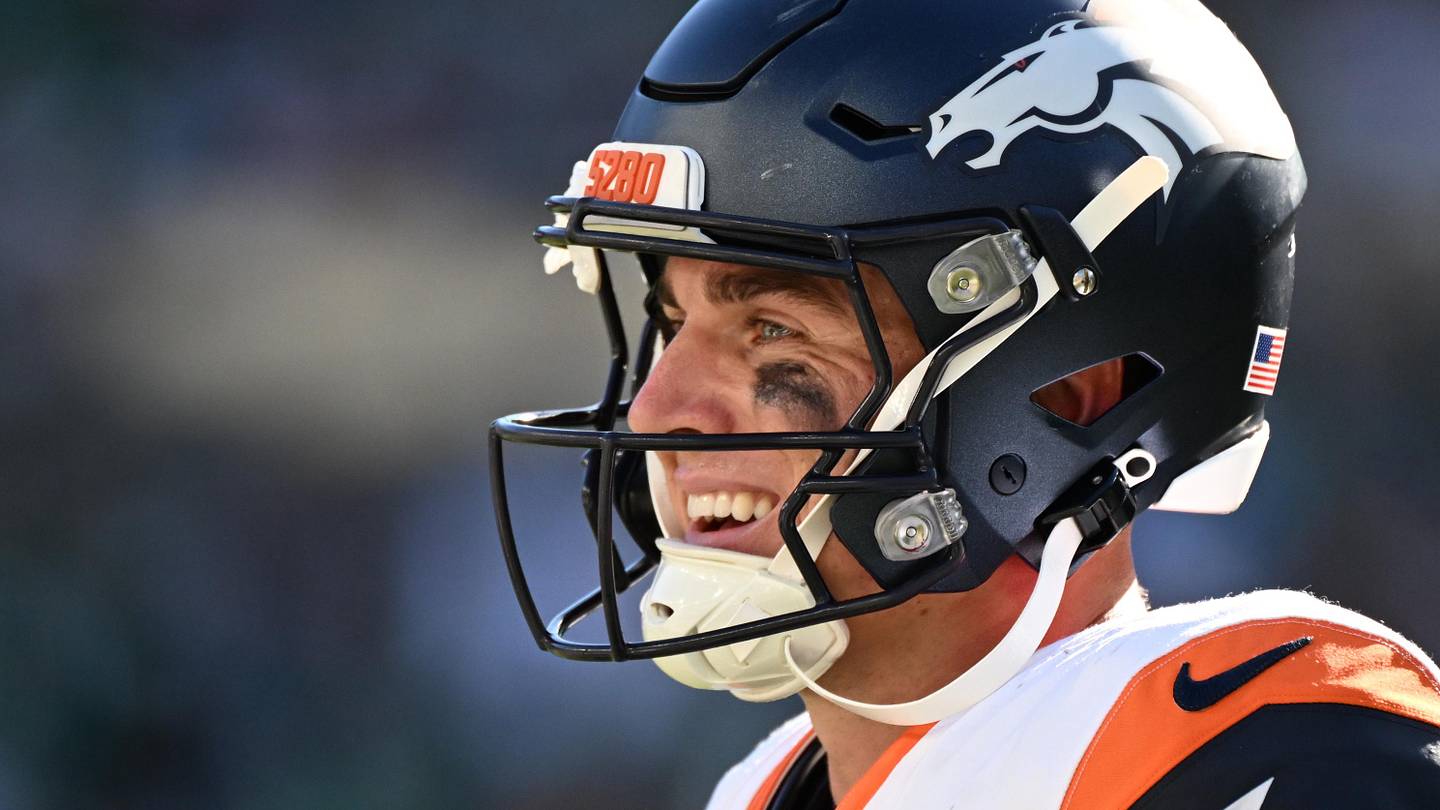
The modern era has forced equipment manufacturers—chiefly Riddell, Schutt, Xenith, and startup disruptor Vicis—to rethink impact dynamics entirely. Traditional helmets historically maintained their rigidity during collisions, transferring kinetic shock directly into the player's skull. Modern flagships like the Riddell SpeedFlex Echo deploy advanced energy management urethane formulas co-developed with BASF, alongside a flexible shell and hinge-clip facemask system designed to absorb and shed impact forces before they reach the athlete. Similarly, the Schutt F7 2.0 relies on a TPU (thermoplastic polyurethane) cushioning system and an adaptive shell design that shifts relative to the direction and intensity of an incoming blow. Meanwhile, Vicis engineered its ZERO1 helmet using localized deformation principles borrowed from modern automobile bumpers, featuring a collapsible outer 'LODE Shell' that yields upon impact to protect the brain from violent deceleration.
Despite these hardware leaps, the sport has faced an undeniable reckoning regarding repetitive head trauma. A 2017 study published in the Journal of the American Medical Association examined the donated brains of 111 former NFL players and found that 110 tested positive for chronic traumatic encephalopathy (CTE)—a degenerative brain disease linked to repeated concussions and sub-concussive hits, manifesting in symptoms ranging from memory loss and dizziness to severe personality alterations and dementia.
To combat this invisible crisis, the technological frontier has shifted beyond passive padding into active telemetry. High-tech firms have developed specialized impact sensors—such as Sensuss models designed for integration into football, hockey, and cycling headwear—capable of measuring real-time rotational and linear accelerations in the cerebral zone. Utilizing machine-to-machine (M2M) communication protocols and cloud infrastructures like Everyware Cloud, these smart sensors instantly transmit impact data to sideline personnel via automated alerts when a pre-set danger threshold is crossed. While leagues have experimented with supplemental safety equipment like Guardian caps during practices and altered kickoff rules to curb high-speed collisions, the integration of smart internal sensors represents a fundamental shift: turning the helmet from a passive shield into an active diagnostic tool.
As prices for elite-tier varsity headwear range upward toward $1,000, manufacturers continue to walk a tightrope between uncompromising safety, aerodynamic styling, and player compliance. As industry experts note, even the most sophisticated smart helmet cannot completely eliminate the biomechanical consequences of high-velocity collisions, but the ongoing convergence of cloud telemetry, advanced materials, and rigorous impact testing has permanently redefined what it means to protect the modern gridiron athlete.
Sources
These sources formed the evidence pack for this article. Links open the original publisher; inclusion does not imply endorsement.
- ilpost.it original
- amalamaglia.it original
- bitjournal.it original
- ilprogettistaindustriale.it original
- footballamerica.eu original
- Bayer Team Sports Italia S.R.L. original
- Carlos Zotomayor original