When the final whistle blew at MetLife Stadium on Sunday, July 19, the air in the New York suburbs didn't just carry the tension of a World Cup final; it carried the unmistakable scent of a massive, multi-billion-dollar entertainment product. For decades, the FIFA World Cup has been defined by its austerity—the raw, unvarnished drama of ninety minutes on a pitch. But in 2026, the beautiful game officially entered its "Americanized" era.
The final, contested between the tactical precision of Spain and the defending resilience of Argentina, was less a traditional football match and more a hybrid spectacle that looked, felt, and marketed itself like a Super Bowl. From the prolonged halftime interludes to the introduction of championship rings, FIFA has effectively signaled that the era of pure sport is being eclipsed by the era of the "Event."
The Halftime Revolution
Traditionally, the halftime interval is a twenty-minute window of tactical adjustments and hydration. In the 2026 final, that window was treated as a stage. Borrowing directly from the NFL's playbook, the halftime show was designed to extend the entertainment, stretching the regulated 15-minute break into a high-production showcase that prioritized spectacle over strategy.
This shift reflects a growing recognition of the power of American sports broadcasting. As Frédéric Paquet, president of the French American Football Federation, noted earlier in the tournament, the NFL isn't just a league; it is a cultural monolith. In the United States, the Super Bowl commands audiences of roughly 130 million people, representing nearly 96% of the nation's top 100 television broadcasts. By integrating Super Bowl-style production values, FIFA is no longer just competing with other football leagues; it is competing for the attention of the global entertainment consumer.
Hardware for the Victors: The Ring Tradition
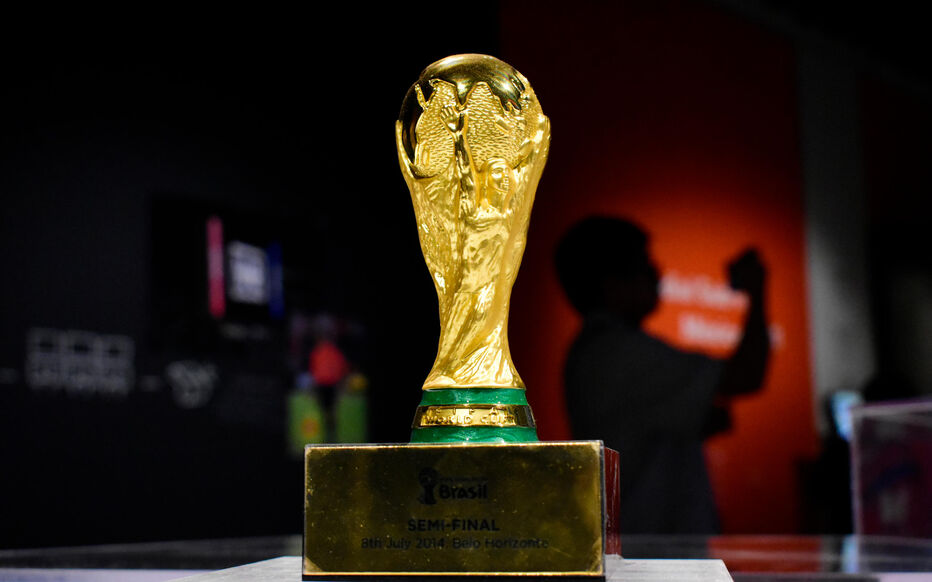
Perhaps the most visible departure from football tradition was the introduction of championship rings—a move that would be considered heresy in the old guard of European football, but feels perfectly at home in the shadow of the NBA. For the first time in World Cup history, the winners will depart the United States with more than just a trophy and a medal.
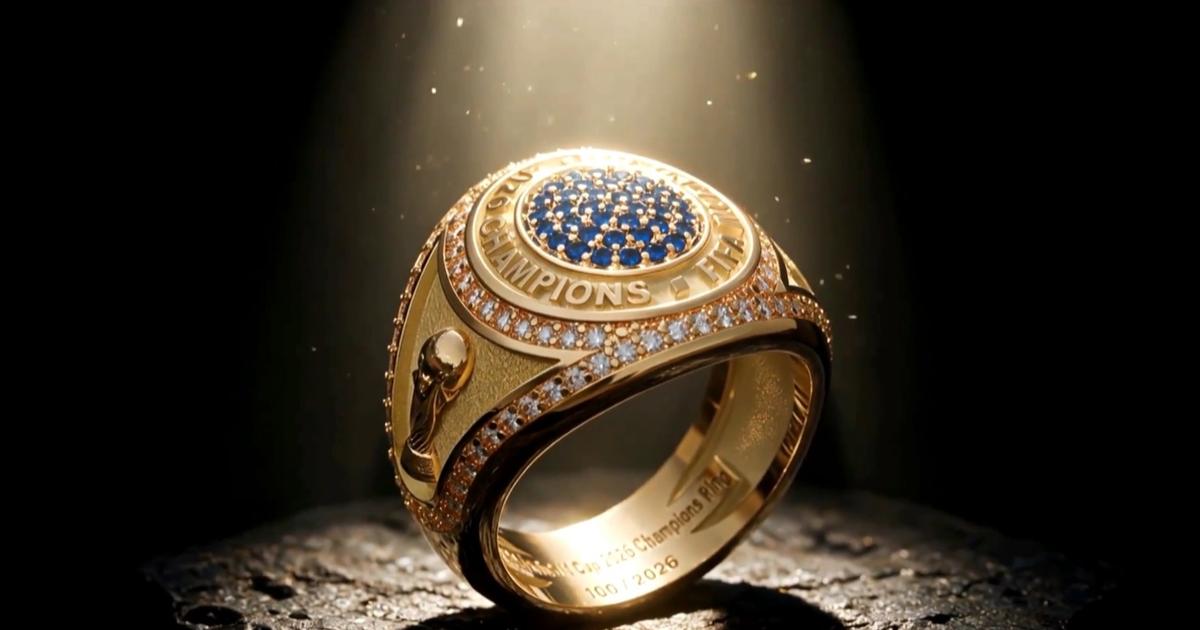
The logistics of this new tradition are as calculated as the tournament's marketing strategy. FIFA has authorized a limited collection of 2,026 rings, a number that mirrors the year of this historic tournament. The distribution is strictly tiered:
- The Inner Circle: The winning captain and coach receive provisional rings immediately following the ceremony.
- The Squad: 30 rings are reserved for the players and staff, which will be personalized to reflect their specific identities before being officially presented.
- The Global Market: In a masterstroke of commercialization, 1,996 rings will be released for sale to supporters worldwide.
Each ring is designed with dual symbolism: one face displays the iconic World Cup trophy, while the other is customized to reflect the unique identity of the winning nation. It is a piece of jewelry designed not just for memory, but for brand loyalty.
A Final of High Stakes and High Pedigree
While the surrounding spectacle was unprecedented, the quality of the football remained the core necessity. The road to the MetLife showdown was paved by clinical performances from two of the world's most dominant footballing powers. Spain arrived at the final after a commanding 2-0 victory over France in the semi-finals—a match that saw the French side, led by a revitalized but ultimately outmatched Kylian Mbappé, struggle to contain the clinical Spanish machine.
Argentina, the defending champions, secured their place in the final by overcoming England, ensuring that the championship match would be a clash of titans. The matchup offered a fascinating contrast in styles: the disciplined, possession-based mastery of Luis de la Fuente’s Spain against the proven championship DNA of the Argentinian side.
Tournament Trajectory: The Path to MetLife
| Team | Key Semi-Final Result | Final Status |
|---|---|---|
| Spain | 2-0 vs. France | Finalist |
| Argentina | Defeated England | Finalist |
| France | 0-2 vs. Spain | Eliminated |
| England | Lost to Argentina | Eliminated |
The Commercial Imperative
Critics may argue that this "Americanization" dilutes the sanctity of the sport, but the economic reality is hard to ignore. The NFL, currently the wealthiest league in the world across all sports, has mastered the art of the visual and audiovisual presence. As the NFL expands its footprint—including a historic regular-season match scheduled for October 25 at the Stade de France—the influence of North American sports models is becoming unavoidable.
FIFA’s decision to adopt the NBA's ring tradition and the NFL's halftime spectacle is a pragmatic attempt to capture the massive, recurring engagement seen in American sports. The 2026 World Cup has proven that while the fans still come for the goals, they stay for the show. Whether this evolution strengthens the global game or turns it into a mere subset of the entertainment industry remains a question for the next cycle, but one thing is certain: the trophy is no longer the only prize on the table.
Sources
These sources formed the evidence pack for this article. Links open the original publisher; inclusion does not imply endorsement.
- Jean-François Pérès original
- france24.com original
- franceinfo.fr original
- cultinfos.com original
- lefigaro.fr original
- Alice Devilez original