When the 24 teams descended upon the Esports World Cup (EWC) 2026 for the Dota 2 circuit, they weren't just playing for glory; they were playing for a piece of a massive $2,000,000 prize pool. But more than the money, the tournament's architecture was designed to test psychological resilience and tactical adaptability. As the final dust settles, it is clear that the EWC was less of a standard tournament and more of a structural sieve, separating the elite from those who simply couldn't handle the pressure of the most significant stop on the road to The International 2026.
A Three-Stage Sieve
The organizers did not settle for a traditional bracket. Instead, they implemented a grueling three-phase system that punished inconsistency at every turn. The journey began with a Group Stage that functioned as a rapid culling mechanism. Four groups of six teams engaged in a round-robin format, but the margin for error was razor-thin. Because matches were conducted in a Best-of-2 (BO2) format, a single poorly played map could derail a group standing.
The consequences of the Group Stage were immediate and binary:
- The Elite: The first-place finisher from each group earned a direct ticket to the Playoffs.
- The Grinders: Teams finishing between second and fourth place were cast into the Survival Stage.
- The Eliminated: The bottom two teams from every group saw their tournament end instantly.
This structure ensured that while the top teams could rest, the middle tier was forced into a desperate, high-stakes scramble for survival.
The Survival Stage Pressure Cooker
For those who avoided immediate elimination but failed to dominate their groups, the Survival Stage served as a brutal secondary filter. This phase took the remaining three teams from each group and forced them into a Best-of-3 (BO3) fight for life. The math was unforgiving: only one team from each group would emerge to join the playoff elite.
This stage acted as a bridge of tension, where the momentum of the Group Stage was often neutralized by the sheer exhaustion of the format. It was a "partially filled" bracket system that required teams to fight through an elimination-style gauntlet just to reach the final eight. By the time the playoffs arrived, the surviving teams were battle-hardened, having navigated both the inconsistency of BO2s and the sudden-death intensity of BO3s.
Clinical Execution and Administrative Chaos
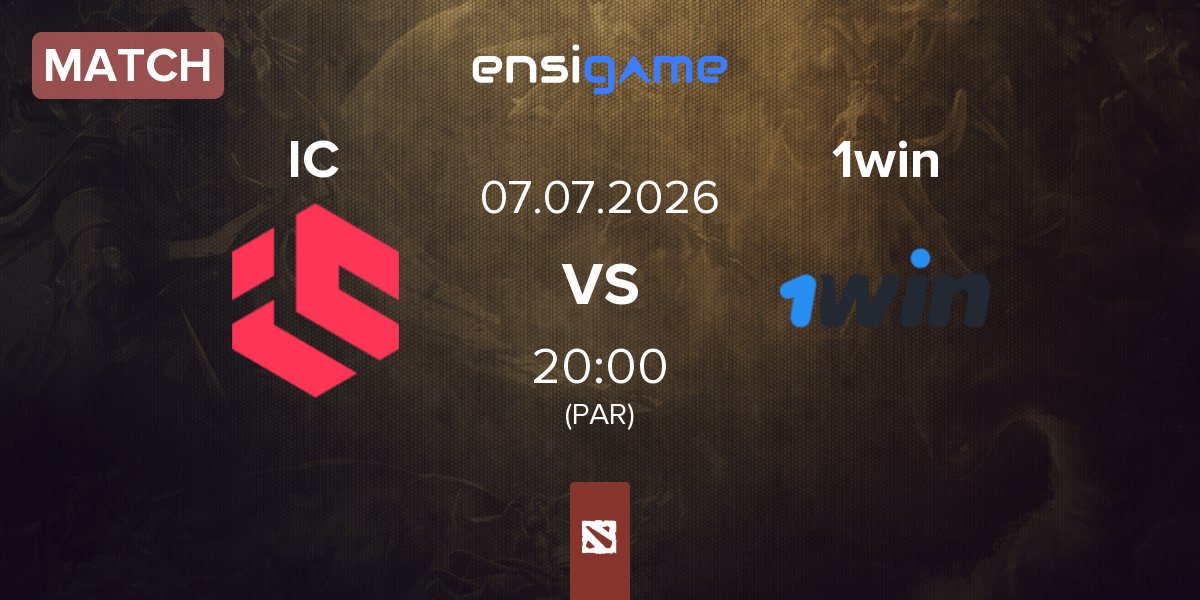
The performance gap between the tournament's upper echelon and its newcomers was starkly visible in the Group Stage. 1w Team, ranked #18, provided a masterclass in efficiency, dismantling Inner Circle IC (ranked #97) with a clinical 2-0 scoreline. This wasn't just a win; it was a statement of intent, showcasing the massive delta between tier-one readiness and regional qualifiers.
However, the tournament was not without its shadows. The integrity of the competition was tested when Vici Gaming was awarded a technical victory over PlayTime. The decision, stemming from suspicions of match manipulation, served as a stark reminder that even in the highest-tier arenas, the drama of the game often extends beyond the digital battlefield.
| Stage | Format | Stakes |
|---|---|---|
| Group Stage | BO2 Round Robin | 1st to Playoffs; 2nd-4th to Survival; 5th-6th out. |
| Survival Stage | BO3 Elimination | Only 1 team per group advances to Playoffs. |
| Playoffs | BO3 (BO5 for Grand Final) | Single elimination for the $750,000 top prize. |
The Road to The International
As we look toward The International 2026, the EWC results provide a vital roadmap. The tournament successfully identified the teams capable of maintaining composure under a multi-stage format. Among those who proved their mettle were BetBoom Team, Vici Gaming, Team Spirit (the defending 2025 EWC champions), and Rune Eaters, all of whom successfully navigated the gauntlet to secure their playoff spots.
The EWC 2026 wasn't just about the $750,000 prize for the winner; it was a high-speed laboratory for the evolving meta. As teams transition from this crucible to the world stage, the question is no longer just about who has the best heroes, but who can survive the most unforgiving schedule in professional Dota 2.
Sources
These sources formed the evidence pack for this article. Links open the original publisher; inclusion does not imply endorsement.
- dazn.com original
- strafe.com original
- esportsworldcup.com original
- ensigame.com original
- Deffy original
- escharts.com original