The 2026 Formula 1 season was promised to be a technical revolution. With completely overhauled aerodynamic regulations and new power-unit specifications, the grid expected a shift in the mechanical status quo. What they received, however, was something far more volatile: a psychological fracture that is reshaping the hierarchy of the sport.
While the new regulations have introduced a layer of uncertainty even for established top-tier teams, the real turbulence isn't happening in the wind tunnels of Milton Keynes or Maranello. It is happening in the cockpits, where the friction between drivers is becoming as palpable as the heat in the Austrian Grand Prix.
The Ferrari Fracture: Harmony in Peril
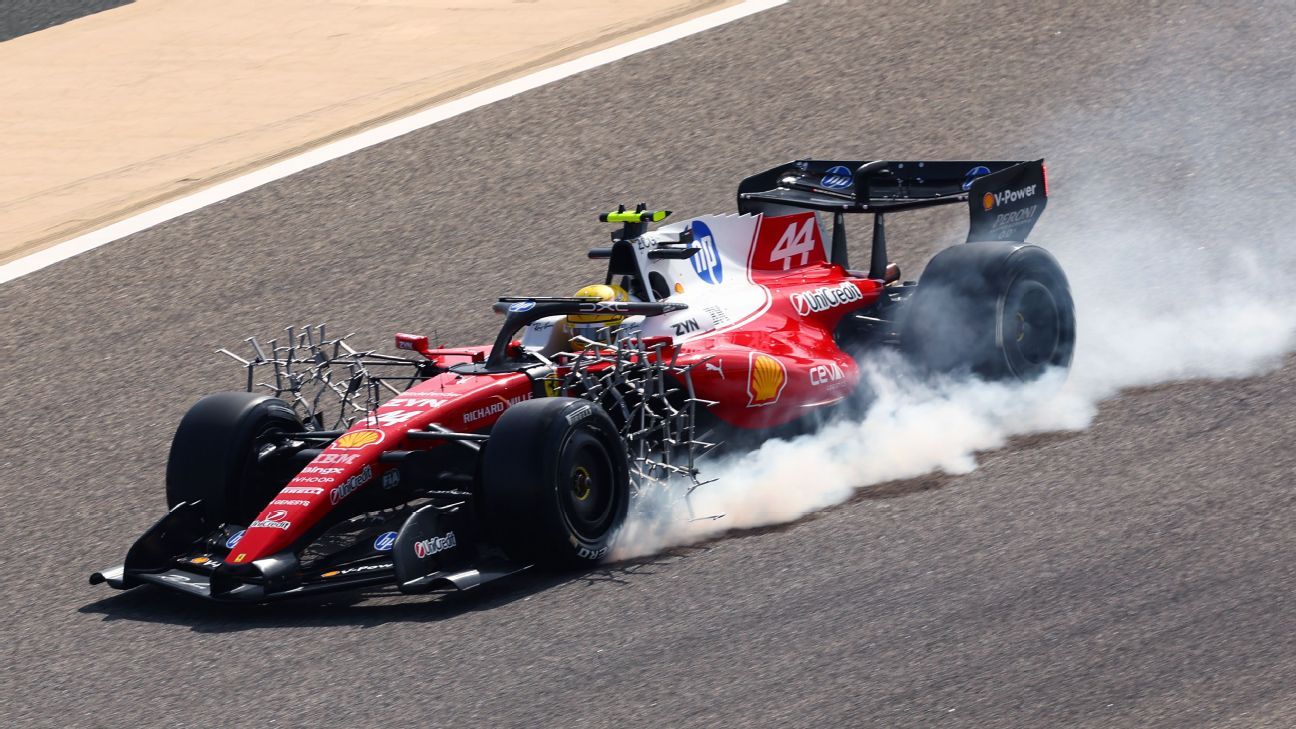
Nowhere is the human element of the sport more strained than within the Scuderia. The arrival of Lewis Hamilton at Ferrari was intended to be a cornerstone for a new era of dominance, but the reality on the ground suggests a different story. During the Grand Prix at Zandvoort, the tension became impossible to ignore: reports emerged that the seven-time world champion and his teammate, Charles Leclerc, are finding it difficult to harmonize.
This lack of cohesion comes at a critical juncture. While Hamilton has shown flashes of his old self—celebrating a hard-fought victory in Barcelona that ended a 686-day drought—the internal synergy required to challenge the Mercedes and McLaren juggernauts remains elusive. For a team aiming to reclaim its throne, the inability of its two superstars to operate in sync is a strategic liability that no amount of technical upgrading can easily mask.
The Exhaustion of Dominance: Verstappen’s Mental Fatigue
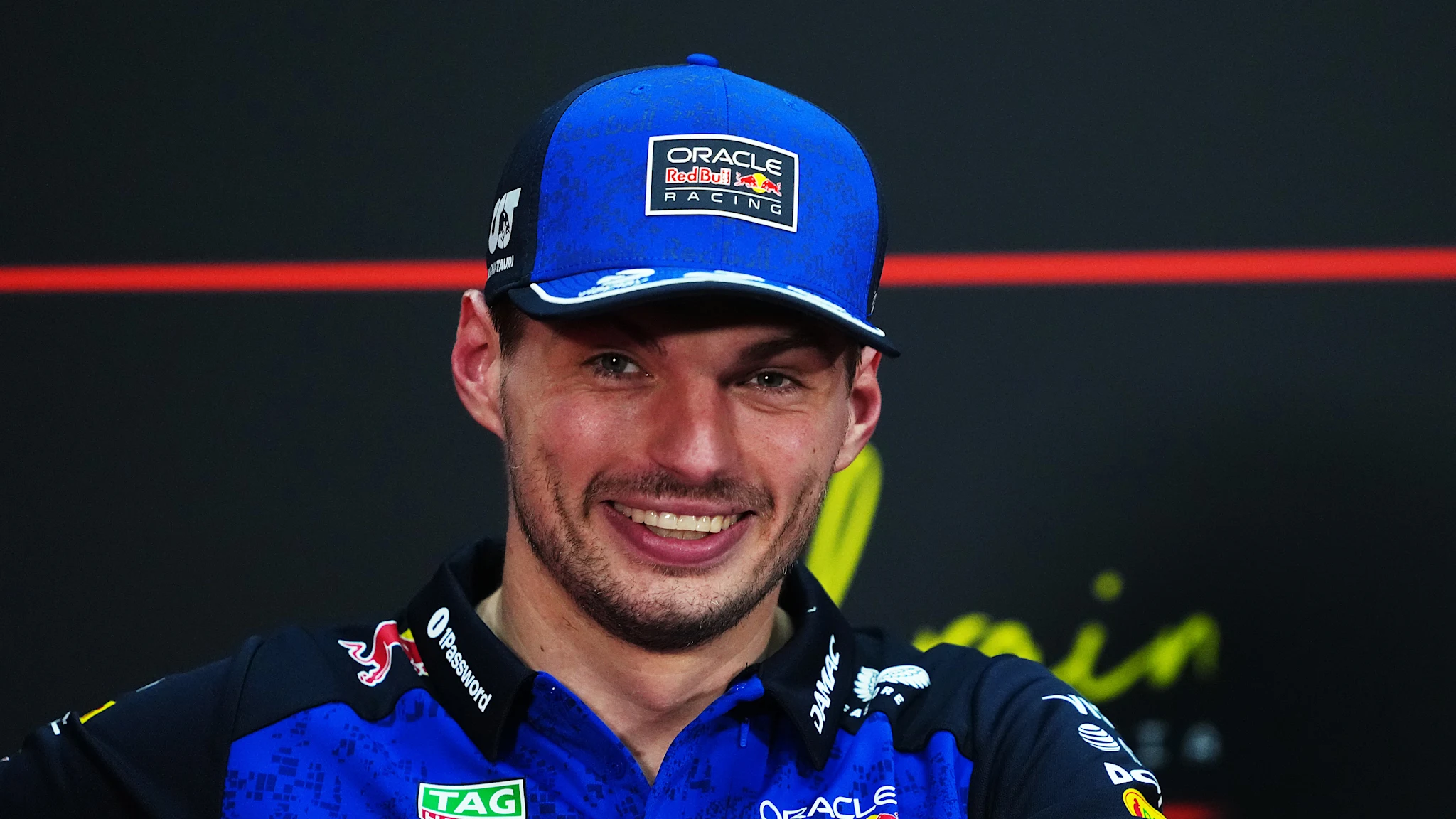
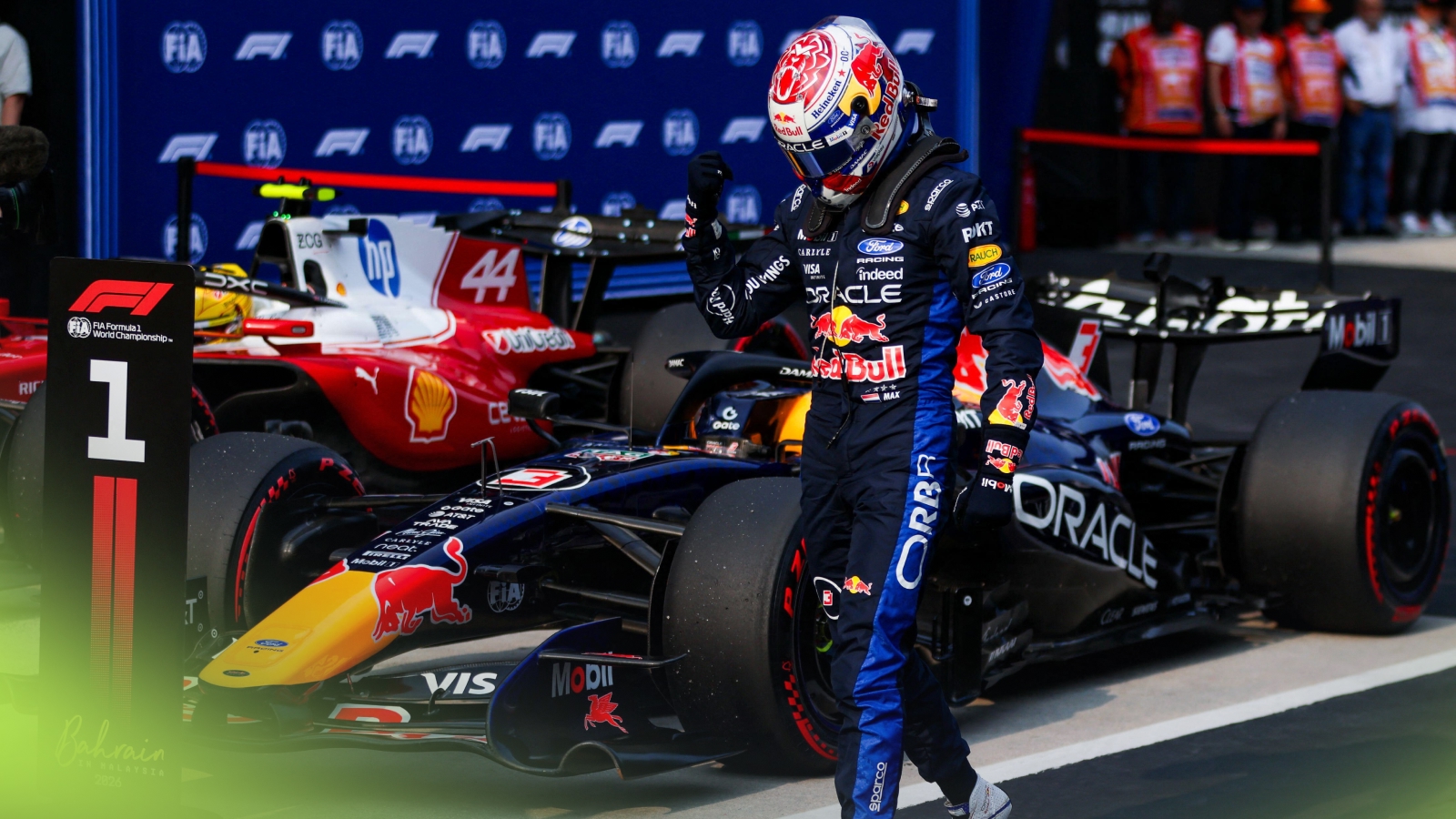
For years, Max Verstappen has been the undisputed predator of the Formula 1 grid. As the 2026 season progresses, he remains the 'hunted,' yet the man behind the helmet appears to be undergoing a profound transformation. The frustration is visible, often manifesting in what observers have described as a "stupid grin" following defeats or blunt, visceral critiques of the sport itself.
The data tells a story of a champion losing his grip on the joy of competition. Verstappen has gone on record stating he "has no fun anymore" and has even floated the idea of retirement, despite recently signing a contract extension with Red Bull to ensure he remains at the sharp end of the field. The shift in the technical landscape—a move toward a 'smarter' rather than purely 'instinctive' driving style—seems to be weighing heavily on the four-time champion. As the grid evolves, the psychological cost of maintaining dominance in an era of rapid regulation changes is becoming clear.
The Antonelli Ascendancy: A New Standard of Genius
While the veterans grapple with the weight of their legacies, 19-year-old Kimi Antonelli is rewriting the rulebook. The Mercedes prodigy has not just entered the fray; he has colonized it. By securing a dominant victory in Monaco and maintaining a commanding lead in the World Championship, Antonelli has effectively transitioned from a 'wunder-teen' to the sport's new benchmark.
His rise is more than just a statistical anomaly; it is a generational shift. Often compared to the legendary Ayrton Senna, Antonelli’s ability to navigate the complexities of the new 2026 battery regulations and the high-pressure environment of the Mercedes garage has left his more experienced teammates and rivals searching for answers. His composure in the face of technical drama—such as the defect that threatened to shake up the championship fight—has become the defining characteristic of his season.
"The new battery regulations, which were not written by racers but by the zeitgeist, split Formula 1. They favor not the most instinctive pilots, but the smartest." formel1wettentipps.com
This shift toward cognitive precision over raw, instinctive aggression is perhaps the most significant tactical evolution of the 2026 season. It explains why a driver like Antonelli can thrive while others, like Verstappen, appear to be fraying at the edges.
The McLaren Stability: The Anti-Verstappen
In stark contrast to the chaos at Ferrari and the mental fatigue at Red Bull, McLaren has found a sense of purpose. Lando Norris, the reigning World Champion, has become the personification of the team's new era. By committing to a long-term contract through 2030, Norris has provided the stability that his rivals lack.
Norris has emerged as the "Anti-Verstappen"—a driver who combines technical mastery with a humanizing presence on the grid. His ability to guide a McLaren that occasionally struggles with technical consistency (as seen in Shanghai) to championship-winning heights has solidified his status. Under his leadership, McLaren has moved from being mere outsiders to the primary force challenging the Mercedes-driven dominance of the championship.
Tactical Breakdown: The 2026 Complexity Matrix
The volatility of the current season is driven by a unique confluence of factors that make traditional analysis difficult:
- Technical Uncertainty: The new aero and power unit rules create a high baseline of unpredictability, affecting reliability and strategic depth.
- The Smart vs. Instinctive Divide: The hybrid-focused regulations favor drivers who can manage complex energy deployment, favoring the 'cerebral' driver.
- Track Variability: The extreme difference between high-speed circuits like Monza and tight street circuits like Monaco continues to force massive technical trade-offs.
- The Sprint Factor: The Saturday sprint formats have compressed the strategic window, placing an even higher premium on qualifying performance.
As the season moves toward its conclusion, the question is no longer just who has the fastest car, but who has the mental fortitude to endure the friction of a sport in transition.
Sources
These sources formed the evidence pack for this article. Links open the original publisher; inclusion does not imply endorsement.
- formel1wettentipps.com original
- sueddeutsche.de original
- watson.ch original
- formel1.de original