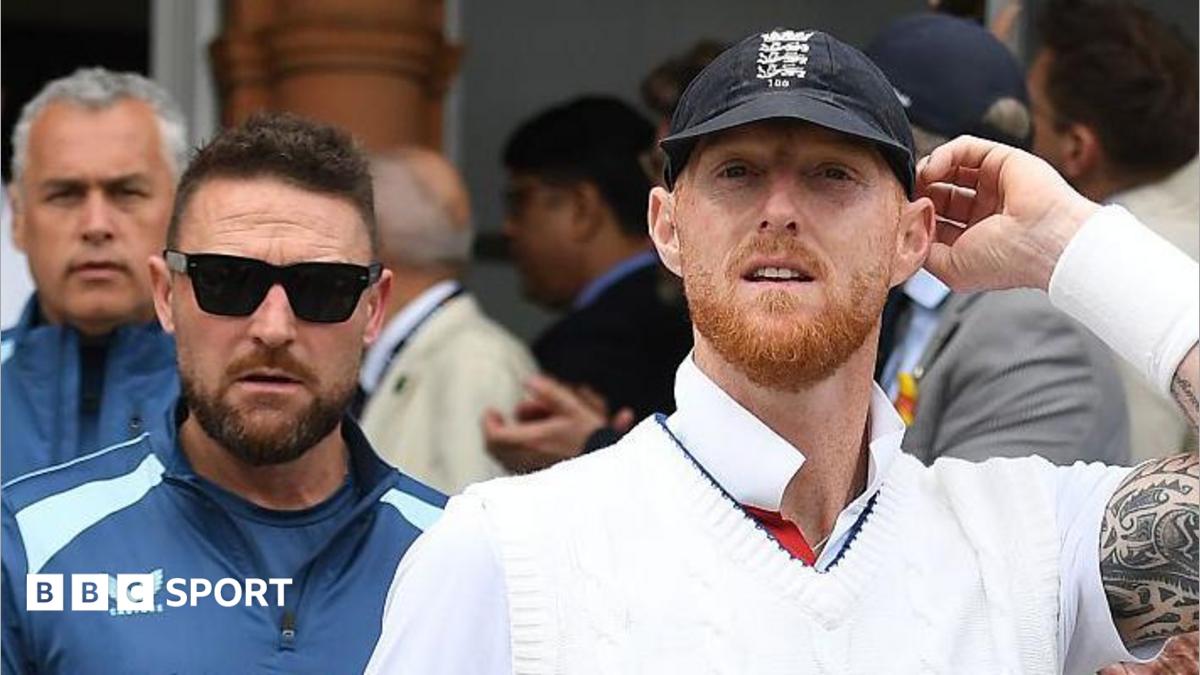
The end of an era in English cricket rarely arrives with such jagged edges. There was no slow fade, no dignified walk toward the pavilion under a setting sun. Instead, Ben Stokes’ international career concluded in the frantic, disorienting atmosphere of Trent Bridge—a whirlwind of official statements, tactical shifts, and a final, bruising defeat.
In a sequence of events that can only be described as chaotic, the 35-year-old all-rounder announced his retirement via an official statement mere moments before claiming his final England wicket. It was a departure that mirrored the turbulence of his final weeks: high-stakes, controversial, and profoundly unsettled.
The Curfew and the Crisis of Character
To understand the friction of Stokes’ exit, one must look back to the fortnight that preceded it. The summer, which began with a morale-boosting victory at Lord’s, was quickly derailed by the "Rex Rooms" episode. Following that victory, Stokes and pace bowler Gus Atkinson breached a midnight curfew—a discipline established by the England management in the wake of a bruising Ashes tour plagued by off-field issues.
The fallout exposed a fractured command structure. While the England and Wales Cricket Board (ECB) confirmed the breach, the communication of the rules appeared shambolic. England director of cricket Rob Key later revealed that Atkinson was unaware the curfew was even in force, prompting coach Brendon McCullum to admit to an "ambiguity" in how standards were documented. For a team attempting to project high-performance professionalism, the incident suggested a lack of fundamental cohesion.
The discrepancy in how Stokes' welfare was perceived further muddied the waters. While McCullum expressed repeated "worry" and "concern" for the captain’s state of mind during his absence from the second Test, the view from 300 miles north was starkly different. At Durham, Stokes appeared to be in "good spirits," delivering a gritty 95 against Northamptonshire—his highest score in nearly a year—and interacting with teammates in what appeared to be a relaxed, positive manner. This disconnect between the England hierarchy and the player's reality added a layer of psychological complexity to his final stand.
Leadership in the Shadow of Controversy
The question of whether Stokes could, or should, remain captain loomed larger than his batting average. As the skipper who helped set the midnight curfew, his own breach of that rule compromised his position as a leader. The implications were felt deeply among the game's observers.
"There were people briefing they did not want Ben Stokes to come back as England captain. He will know that," remarked former England captain Michael Vaughan.
Alastair Cook similarly pointed the finger at the governing bodies, questioning why the management seemed to be hiding from the media while the responsibility for disciplinary fallout fell squarely on the shoulders of the coach. While the ECB maintained that Stokes was not asked to resign, the shadow of replacement—with Joe Root widely expected to take the reins—rendered his return for the third Test more of a final act than a new chapter.
The Trent Bridge Finale
The final Test against New Zealand was less a tactical battle and more a frantic attempt to salvage a broken summer. England, reeling from a crushing defeat at the Oval, faced the third Test at Trent Bridge with a squad in flux. Stokes, returning after an official conduct warning, was part of a significant reshuffle that saw the return of Atkinson and wicketkeeper Jamie Smith.
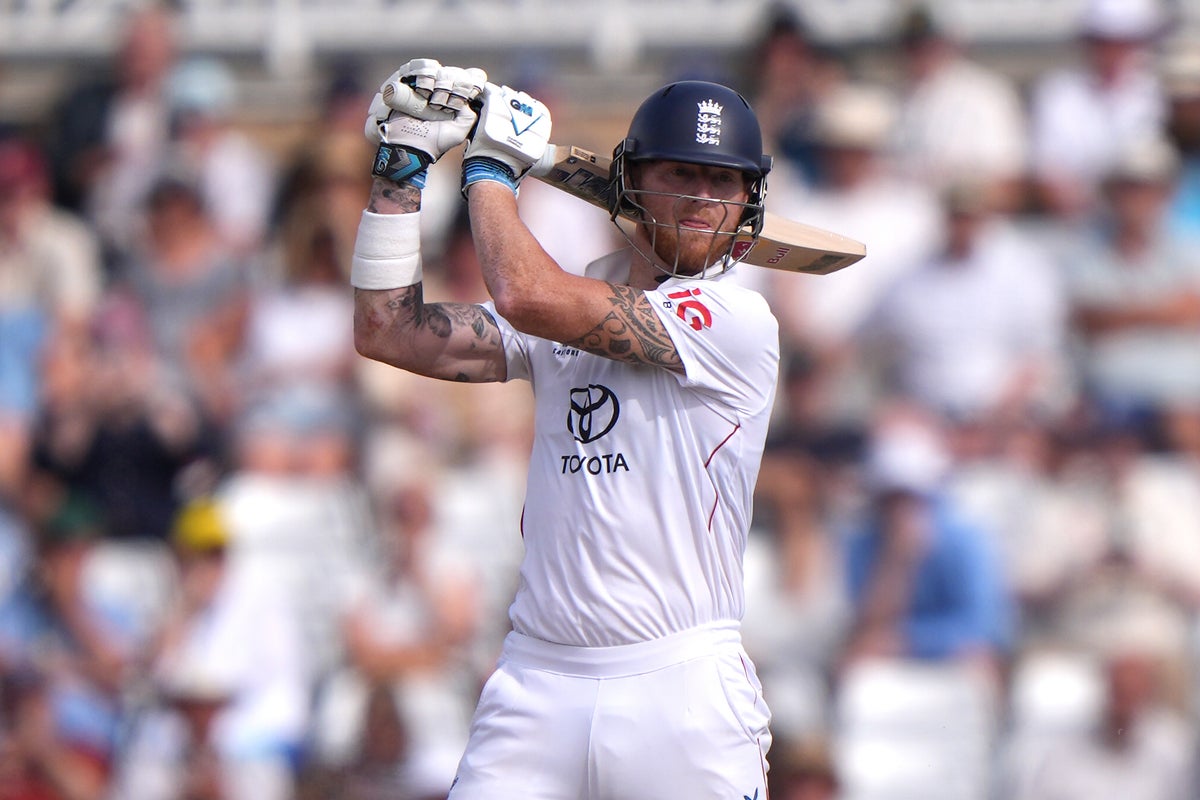
In a move that underscored the desperation of the moment, Stokes was promoted to open the batting in his final innings. The result, however, was a grim reflection of England's recent struggles. The team slumped to a 160-run defeat, handing New Zealand a 2-1 series victory on home soil.

Despite the sting of the result, the atmosphere in Nottingham was a far cry from the boos Stokes faced during his return to the ground eight years ago. Initial frustration had largely given way to a sense of collective support for a player who had, for a decade and a half, been the heartbeat of the side.
A Legacy of Extremes
Stokes leaves behind a career defined by its refusal to conform. From the 2017 Bristol incident that nearly ended his career to his starring role in the 2019 World Cup final, he has always operated on the periphery of the establishment. He was a warrior who often seemed at odds with the "suits" in the hierarchy, yet he was indispensable to the team's balance.
In his final reflection on X, Stokes captured the essence of his journey: "It’s been a mad 15 years. It’s had everything thrown in there, from the highest highs to the lowest lows (on and off the field)."
As the dust settles on a series lost and a captaincy in transition, the central truth remains: English cricket will struggle to find another player of his unique, combustible, and transformative impact. For now, the man who lived life at full throttle has declared, quite simply, "I'm done."
Sources
These sources formed the evidence pack for this article. Links open the original publisher; inclusion does not imply endorsement.
- bbc.com original
- dailymail.com original
- mirror.co.uk original
- independent.co.uk original