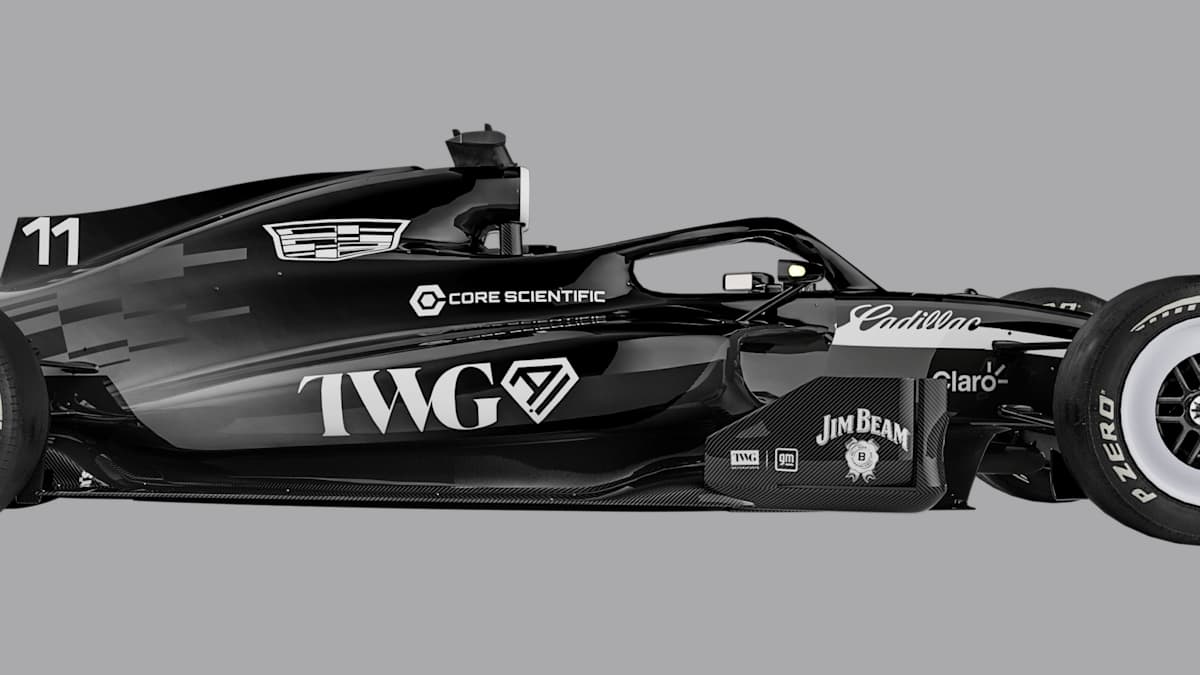
When an American titan like Cadillac enters the Formula 1 paddock, the immediate instinct of the global market is to look for the homecoming hero—an American driver to anchor the brand's commercial identity. But Cadillac is signaling a different, more pragmatic intent. As the grid prepares for the 11th team to join the fray in 2026, the American squad is not chasing headlines through regional promotion; they are chasing stability through sheer, unadulterated experience.
The Experience over Marketing Mandate
The announcement of the debut driver lineup—Valtteri Bottas and Sergio Pérez—is a calculated strike against the typical 'new entry' playbook. Instead of a high-profile marketing driver, Cadillac has secured a duo that brings a combined 26 years of Formula 1 seasoning and 16 Grand Prix victories to a brand-new operation.

For a team starting from zero, the value of this veteran presence cannot be overstated. Bottas, who turns 36, brings the technical feedback of a driver with 10 Grand Prix wins and deep experience with Mercedes. Pérez, 35, arrives after a hiatus following the 2024 season, bringing the grit of his years with Red Bull and Racing Point. Together, they represent over 500 race starts—a massive repository of data and institutional knowledge that a fledgling team desperately needs to navigate the learning curve of a debut season.
"It’s not just a racing project, it’s a long-term vision," Bottas noted, highlighting the sense of purpose behind the project. Similarly, Pérez expressed a desire to grow with the team, eyeing a trajectory that reaches the very top of the sport.
The Technical Bridge: Ferrari and the TPC Strategy
Building a competitive F1 team from the ground up is a logistical nightmare, particularly regarding power and reliability. Cadillac, a joint venture with TWG Motorsports, has mapped out a phased technical evolution. For the 2026 debut, the team will rely on Ferrari for both engines and gearboxes. This provides a vital safety net of proven components while the team works through its teething issues.
However, the most significant hurdle for a new entrant is the lack of track time. Cadillac cannot simply roll a new car onto a circuit and expect immediate competency. To solve this, Team Principal Graeme Lowdon—the former head of Virgin/Marussia—is implementing a Testing of Previous Cars (TPC) program. This allows the team to utilize cars that are at least two years old for up to 20 days of operation.
While Lowdon has not named the specific partner for this testing, analysis suggests a dependency on Ferrari is the most logical path, given their existing engine and gearbox supply deal. This TPC strategy is essential for acclimatizing the team's engineers and drivers before the high-stakes environment of the season opener in Melbourne, scheduled for March 6–8, 2026.
Bridging the Simulator-to-Asphalt Gap
Because the team does not yet have its own proprietary machinery for real-world testing, the preparation is heavily weighted toward digital environments. Lowdon revealed that the team is currently simulating full race weekends, attempting to replicate the grueling rhythm of a Thursday-to-Sunday schedule.
- The Monza Protocol: Lowdon plans to run simulations at Monza that mirror the intensity of a real Grand Prix weekend.
- The Test Driver Factor: American IndyCar star Colton Herta has been signed as a test driver, providing an additional layer of developmental support.
- The Driver Transition: Lowdon is currently coordinating with Mercedes to manage the handover of Bottas, who presently serves as a reserve driver for the Silver Arrows.
The 2029 Horizon: The GM Power Unit Pivot
The Ferrari partnership is a bridge, not a destination. Cadillac’s ultimate objective is technical sovereignty. Under the oversight of General Motors (GM), the team is slated to debut its own proprietary power unit in 2029. This transition represents the most significant strategic risk in the Cadillac roadmap. Moving from a proven Ferrari power unit to an in-house GM engine is a massive engineering undertaking that could potentially disrupt the team's competitive momentum just as the veteran drivers reach the twilight of their careers.
Evidence-led Forecast: The Veteran Advantage
Tactical Pattern: Expect Cadillac to focus heavily on 'developmental stability.' Rather than chasing radical aero updates, the team will likely use the Bottas/Pérez/Herta triad to refine the reliability and driveability of the Ferrari-powered chassis through simulation and TPC sessions.
Decisive Matchup: The success of the 2026 season will hinge on the efficiency of the information loop between the simulator engineers and the veteran drivers. If Bottas and Pérez can translate simulation data into actionable mechanical feedback, Cadillac could bypass the 'struggling backmarker' phase that plagues most new entries.
Strongest Counter-case: The 2029 transition to GM power units. If the development of the in-house engine hits delays or reliability snags, the technical foundation built between 2026 and 2028 may be undermined, forcing a premature overhaul of the driver lineup.
Sources
These sources formed the evidence pack for this article. Links open the original publisher; inclusion does not imply endorsement.
- svetformule.cz original
- formule.cz original
- formula1.com original