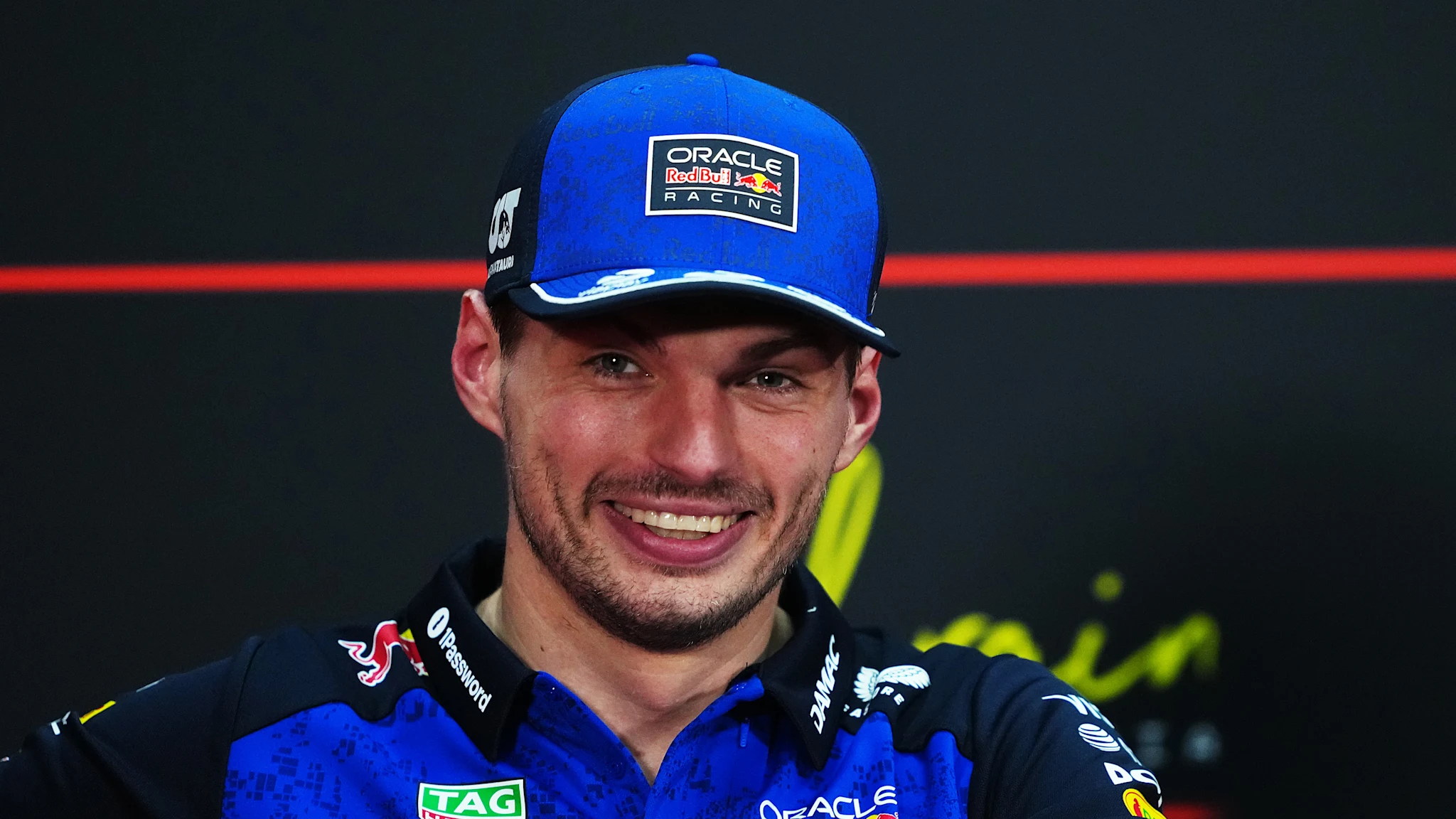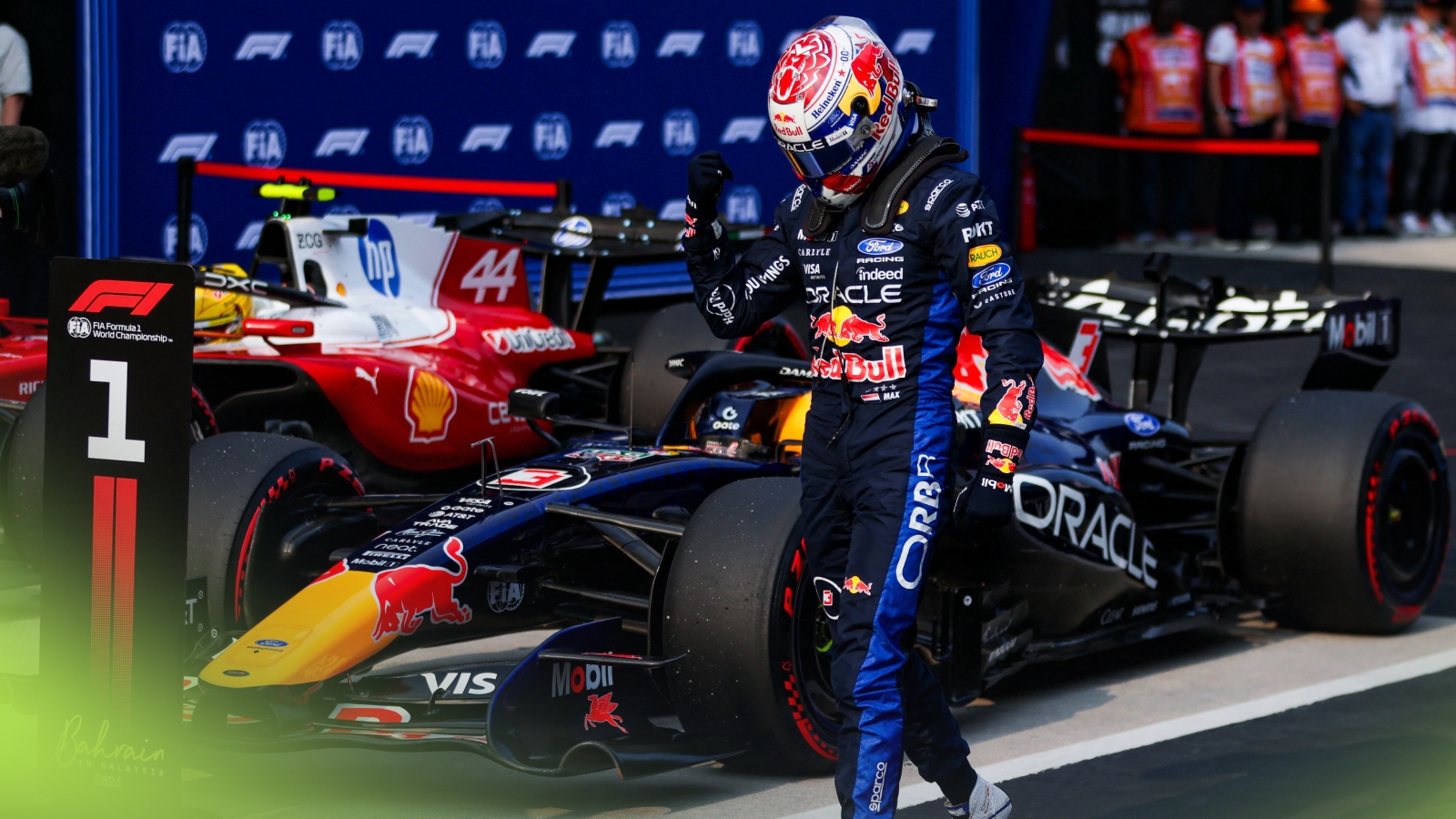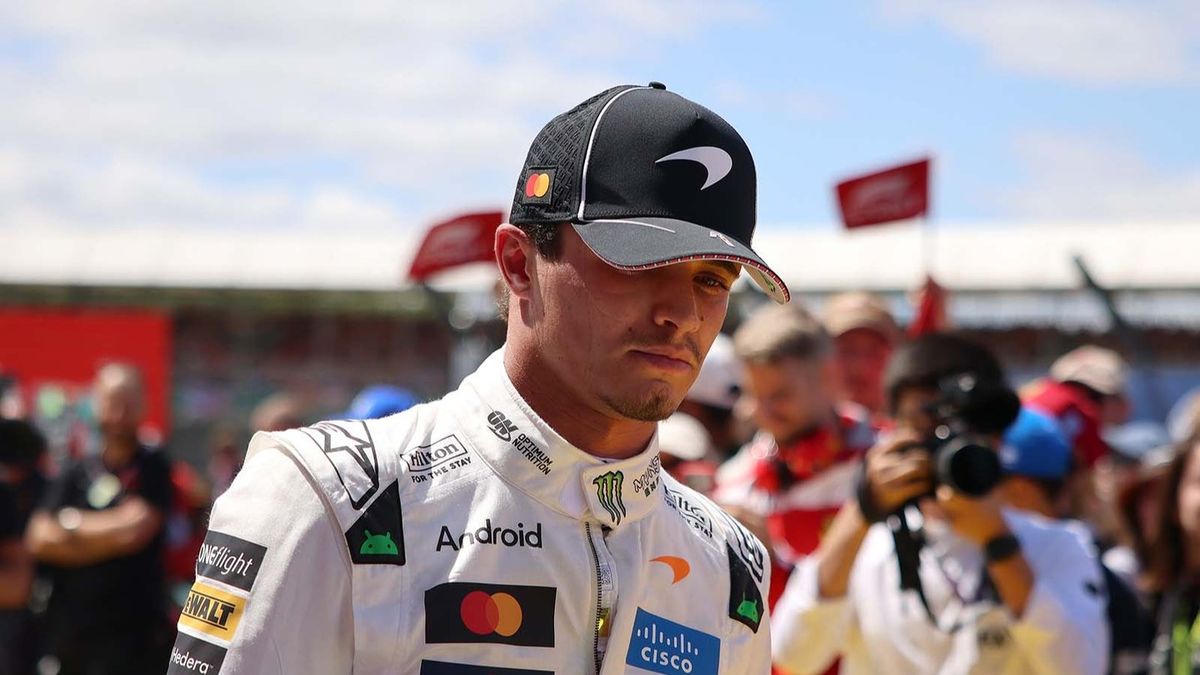
The champagne at Zandvoort should have been a celebration of absolute dominance. For Lando Norris, coming off a string of back-to-back victories, the Dutch Grand Prix was a showcase of the very qualities that secured him the 2025 World Championship: flair, fighting spirit, and an ability to thrive in the heat of battle. In a single, breathtaking lap, Norris sliced through the field, passing both Antonelli and Lewis Hamilton to seize the lead. Even when Antonelli snatched the advantage back on the restart, Norris's composure remained unshaken as he reclaimed the top step of the podium.
Yet, amidst the celebrations, a chilling note of pragmatism has emerged from the cockpit of the reigning champion. Despite the silverware and the momentum, Norris has issued a stark warning: McLaren still lacks a true "title-winning car."

The Zandvoort Paradox
To the casual observer, Norris’s assessment seems almost paradoxical. How can a driver who just conquered the technical complexities of a new regulatory era, defeating the likes of Max Verstappen and Oscar Piastri to claim the 2025 title, suggest his machinery is insufficient? The answer lies in the distinction between being fast and being untouchable.
Norris’s 2025 campaign was defined by an extraordinary psychological and tactical resurgence. He didn't just win; he overhauled a massive 34-point deficit in the standings to secure the Drivers' Championship. That ability to stage a late-season comeback is legendary, but it is a high-wire act that relies on both driver brilliance and a car that can keep pace under pressure. As the 2026 season progresses, with 24 races stretching across five continents, Norris is signaling that he is no longer interested in merely surviving the fight—he wants to dictate it.
Beyond the 2025 Comeback
The current 2026 season marks a pivotal moment for Formula 1, characterized by a new era of technical regulations. For a team like McLaren, this transition is both an opportunity and a threat. Norris’s warning suggests that while the current iteration of the McLaren might be capable of winning individual races through driver aggression and strategic opportunism, it lacks the structural reliability and inherent pace to sustain a championship charge across a marathon calendar.
The stakes are magnified by the sheer scale of the 2026 schedule. Winning a race at Zandvoort is a triumph; maintaining the technical edge required to navigate 24 high-intensity rounds is a different discipline entirely. Norris is essentially demanding that McLaren move beyond the "firecracker" stage of their recent resurgence and enter a phase of technical supremacy.
The Engineering Mandate
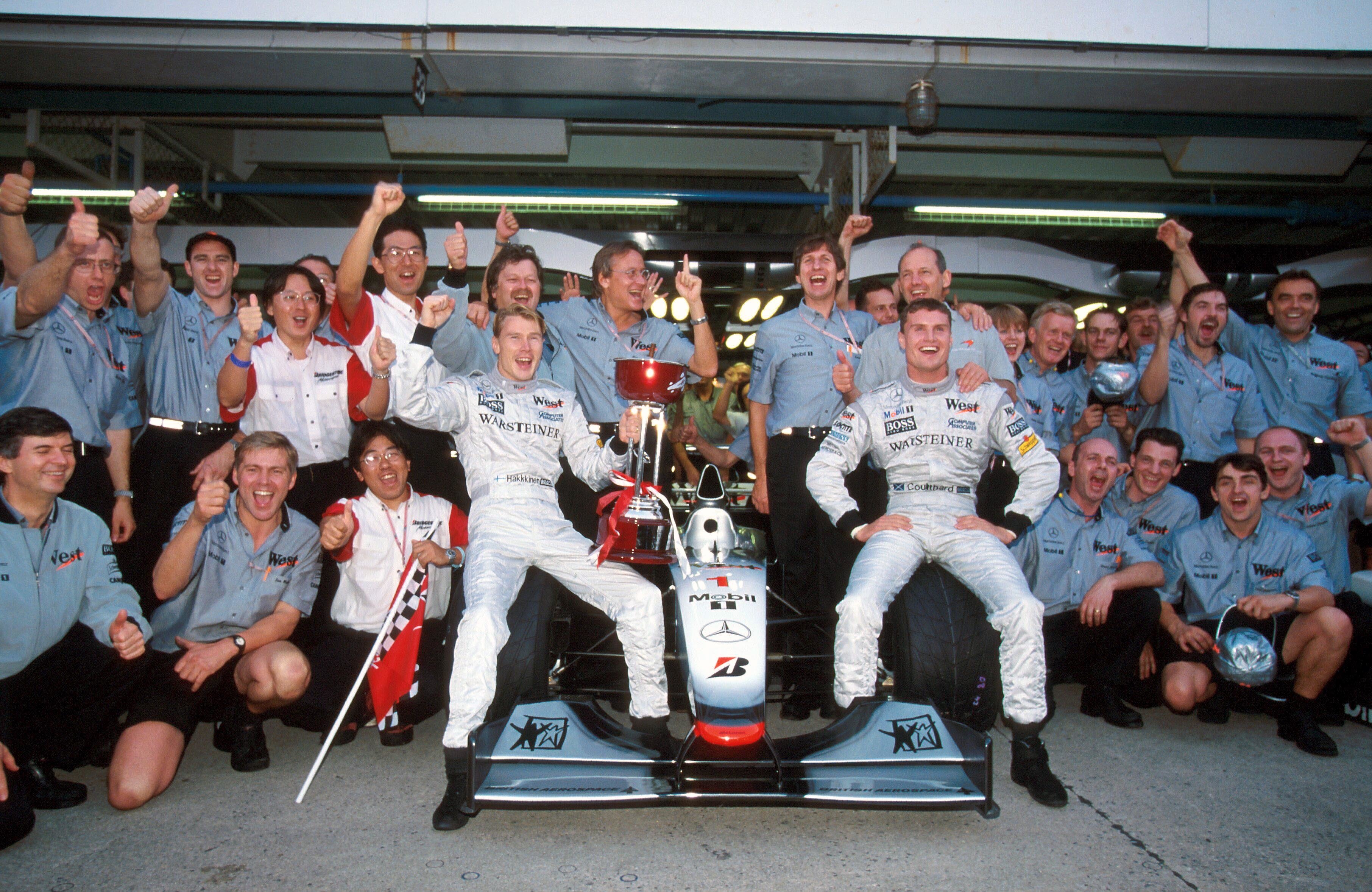
McLaren’s history is a roadmap of extreme highs and devastating lows, a cycle that the team has repeatedly proven it can navigate. The organization's longevity is built on its reaction to adversity, from the tragic loss of founder Bruce McLaren in 1970 to the turbulent transitions between engine partners. The team has tasted the glory of the McLaren-Honda dominance of the late 1980s, but they have also endured the "rock bottom" of the 2015 Honda partnership, where cars frequently caught fire and the team struggled with 33 DNFs.
By voicing his concerns now, Norris is tapping into that historical DNA of resilience. He is pushing the engineering department to avoid the complacency that often follows a championship. He knows that in F1, no team is too big to fail, and the gap between a race-winner and a title-winner is often found in the details of the technical regulations that others have yet to master.
Evidence-Led Forecast: The Technical Tightrope
As the championship battle intensifies, the trajectory of McLaren will likely depend on a specific tactical confrontation: Raw Aggression vs. Technical Consistency.
- The Likely Tactical Pattern: Expect McLaren to continue utilizing Norris’s aggressive overtaking ability—as seen in his Zandvoort charge—to compensate for any inherent aerodynamic deficiencies in the car. They will likely rely on high-pressure stints to force errors from rivals.
- The Decisive Matchup: The battle between Norris and the more stable platforms of his rivals will be decided in the mid-race technical windows. If the McLaren lacks the fundamental downforce to maintain tire life over long stints, Norris's "fighting spirit" will eventually be neutralized by the math of the race.
- The Strongest Counter-Case: If McLaren's development path under the new 2026 regulations yields a significant mid-season upgrade, Norris's warning may be proven premature, transforming his skepticism into a self-fulfilling prophecy of dominance.
- The Pivot Point: A string of mechanical DNFs or significant performance drops on high-speed circuits would validate Norris's assessment and could force a radical shift in McLaren’s development priorities.
Sources
These sources formed the evidence pack for this article. Links open the original publisher; inclusion does not imply endorsement.
- dailymail.com original
- mclaren.com original
- formula1.com original
- newsnow.co.uk original