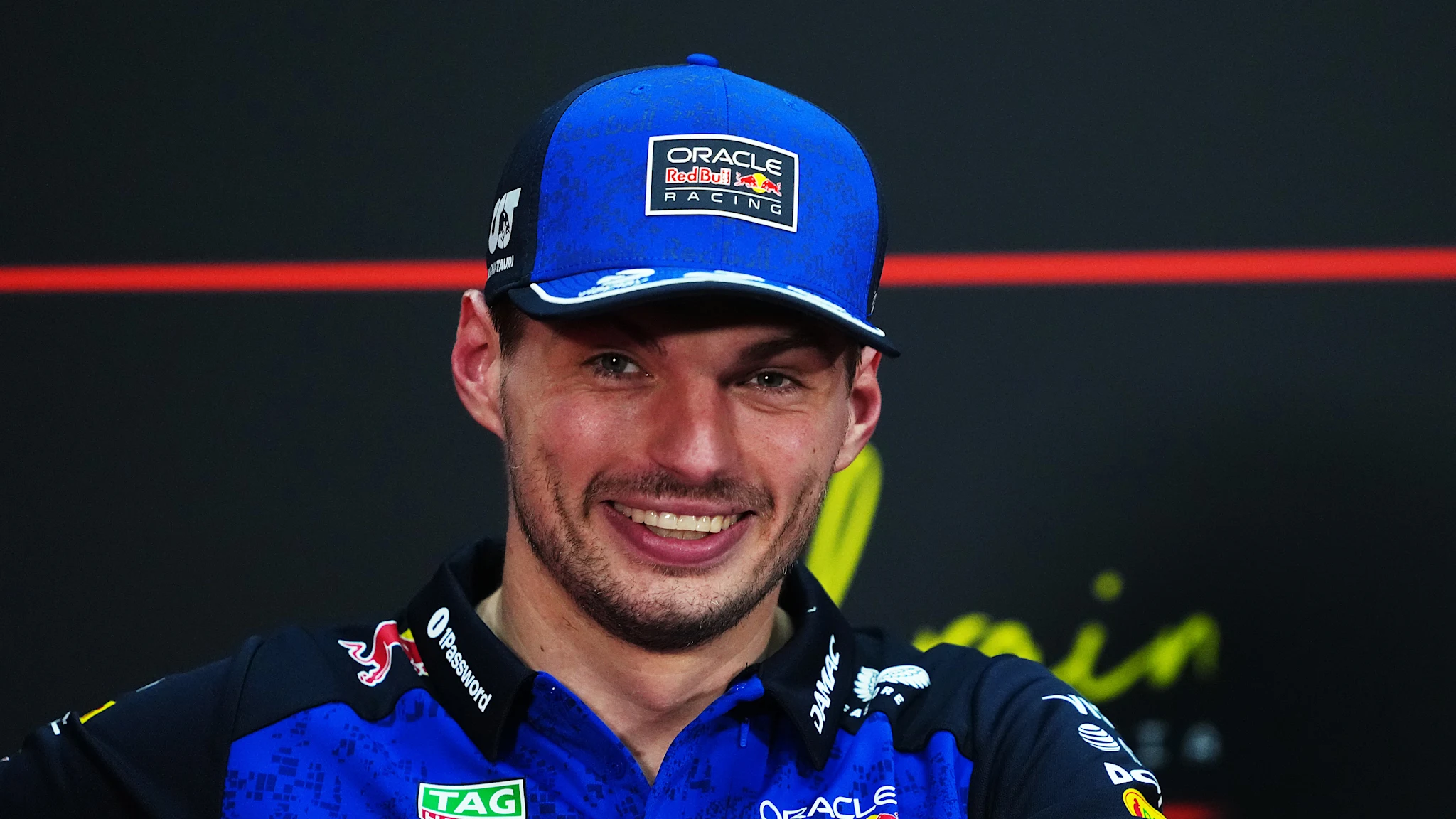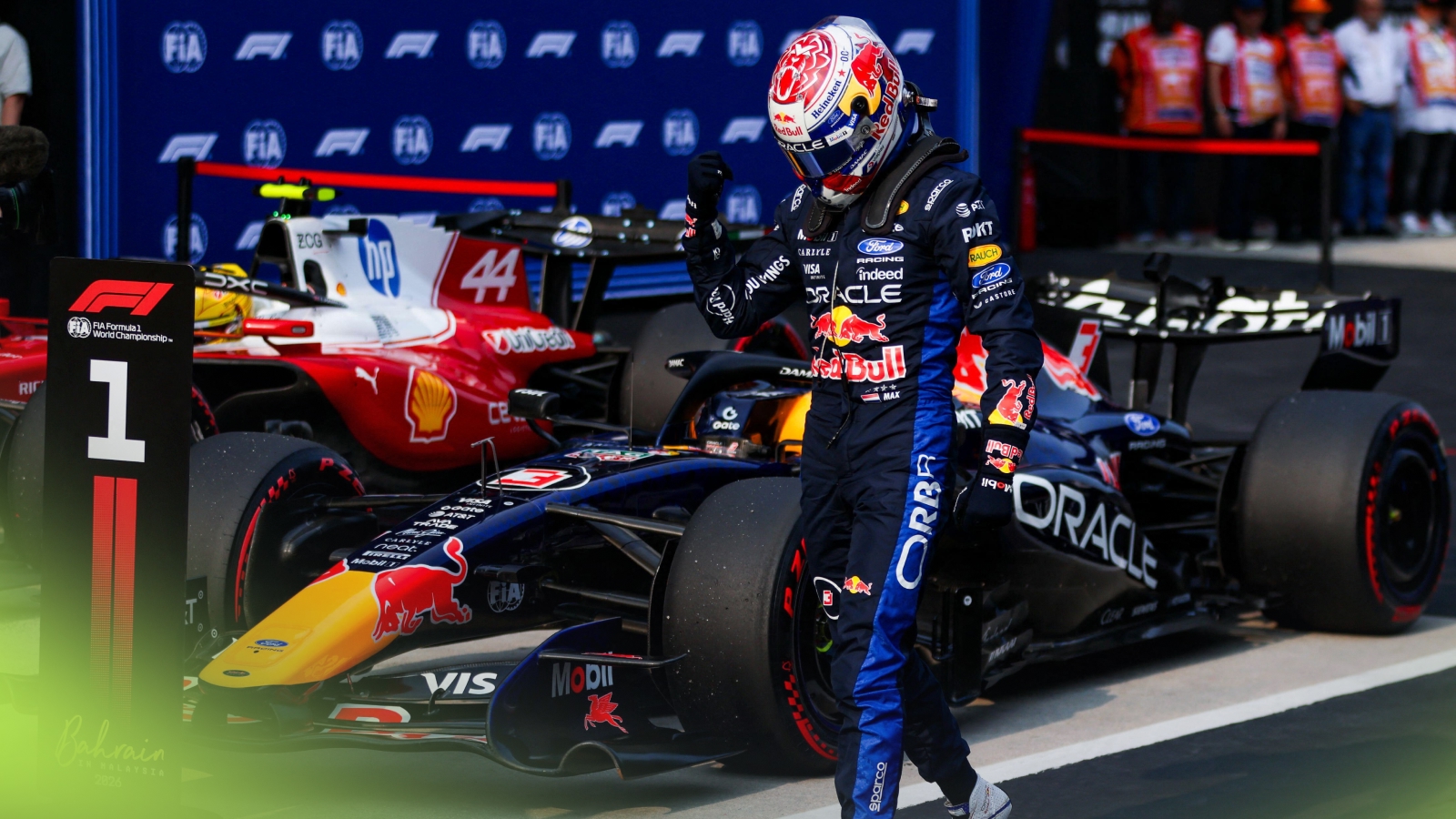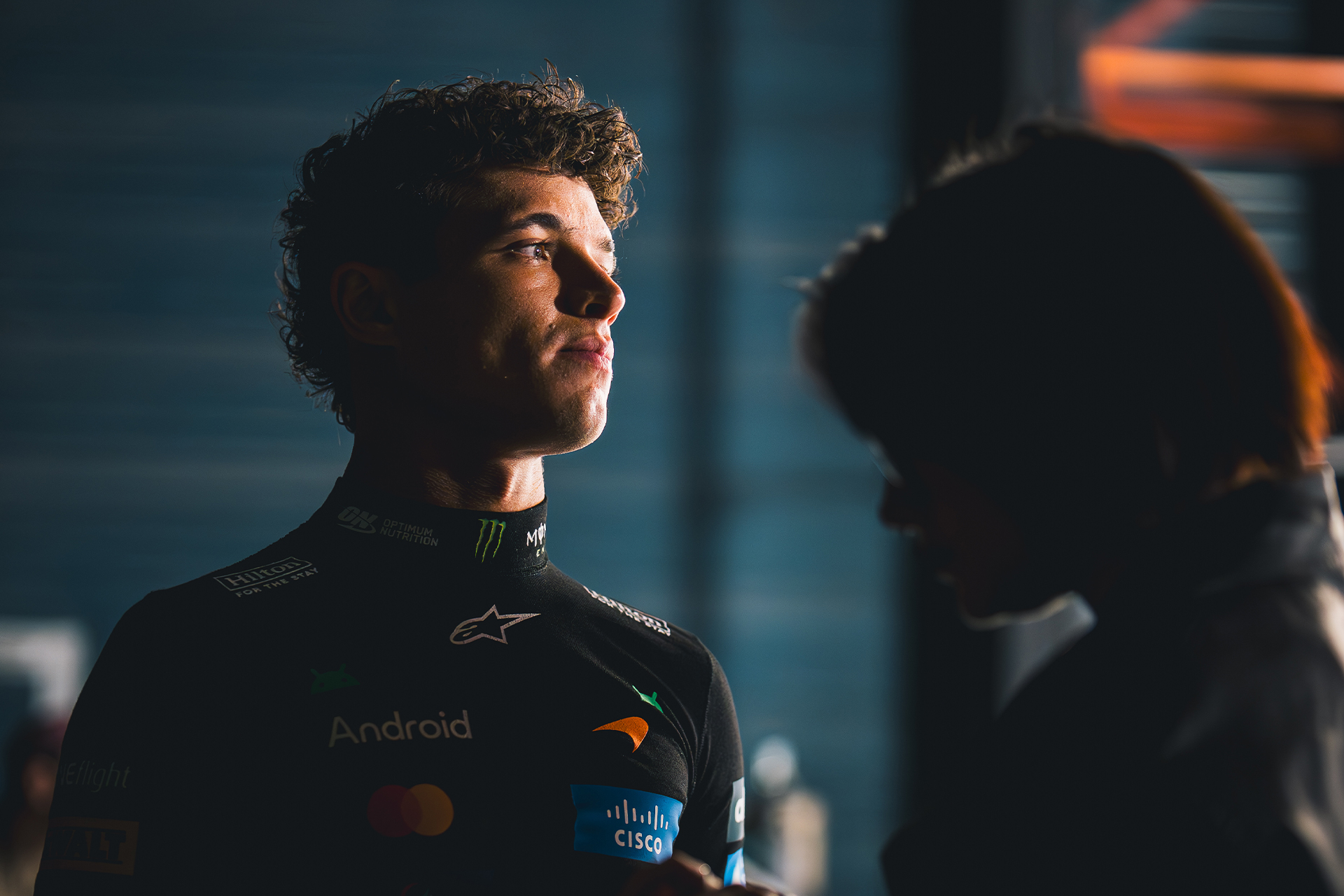
The roar of the Zandvoort crowd still echoes, and the trophy from the Dutch Grand Prix is firmly in hand, but for Lando Norris, the victory is less about the spoils and more about the proof. By outduelling Kimi Antonelli to claim a second successive race win, the 2025 World Champion has sent a clear signal: the technical reset of 2026 has not broken his rhythm, even if it has rewritten the rules of engagement.
In Formula 1, a regulation overhaul is often a Great Equalizer. For McLaren, the 2022 reset was a period of recovery, as the team worked to climb from the depths of the midfield—having slumped as low as ninth in 2015 and 2017—back toward the front. But the 2026 shift is fundamentally different. They are no longer the hunters; they are the hunted. Entering this era as the reigning Constructors' and Drivers' Champions, the Woking-based outfit faces a landscape where their previous on-track advantages have been systematically erased.
The Psychological Pivot: From Raw Talent to 'Seeing-is-Believing'
The Norris of 2022 was a 22-year-old prospect, raw and largely unproven, navigating a team that was still finding its footing after years of struggle. The 26-year-old defending champion standing in the paddock today is a different breed of competitor. While his core personality remains famously warm, emotionally expressive, and disarmingly self-deprecating, there is a new, hardened layer of confidence beneath the surface.
This isn't the typical, unshakable arrogance often seen in title contenders. Instead, Norris operates on a "seeing-is-believing" mentality. He has admitted that he often needs to experience success before he can fully believe in it. Having already climbed the mountain in 2025—overhauling a 34-point deficit to beat Max Verstappen and teammate Oscar Piastri—he is now using that memory as a psychological anchor.

“I think it will show up more when times are tough, instead of questioning things, I will be able to lean on those experiences and the knowledge that I have done it once, and I can do it again. There’s no reason to doubt myself.” — Lando Norris, McLaren.
This mental shift is bolstered by a unique driver motivation: compersion. While the drive to win is absolute, Norris finds genuine joy in the success of his team, seeking to provide the platform for his colleagues to celebrate alongside him. It is a sophisticated emotional balance that allows him to disconnect—often through quiet trips to Finland—and return to the simulator with a clear head rather than a clouded ego.
The MCL40: Mastering the 'Hustle'
The technical reality of 2026 is a far cry from the dominance of the previous season. The new challenger, the MCL40, represents a radical departure in handling characteristics. Following a shakedown in Barcelona, Norris noted that the car demands a fundamental change in driving style.
- Dimensions: The car is smaller than its predecessor.
- Aerodynamics: The aero works in a significantly different manner.
- Tires: New tire specifications require different management.
- Power: The package is more powerful, but with less grip.
This combination creates a high-stakes environment where "hustling" is mandatory. Norris describes a car that requires more physical fighting to control, placing a premium on his ability to maximize the interaction between the power unit, the battery, and the reduced grip levels. Success in 2026 is no longer just about finding the fastest line; it is about the technical mastery of a more volatile machine.
McLaren’s strategy is one of calculated patience. Despite the sudden loss of their technical edge, the team is banking on their ability to iterate. As Norris noted, developments are expected to arrive quickly, meaning the championship may not be won in the opening rounds in Australia, but through the relentless pursuit of perfection in the mid-season development race.
The Stakes of the Independent Challenger
As an independent outfit rather than a manufacturer, McLaren faces a unique set of pressures. While they are firmly in the conversation for the title, they do not have the same resource depth as some of their rivals. This makes the ability to maximize the current package every single weekend critical. The margin for error has shrunk; in a field where everyone is adjusting to the same new regulations, the difference between a podium and a midfield slump lies in the minutiae of battery management and aerodynamic efficiency.
For Norris, the goal is not just to defend a title, but to prove that the growth he has undergone at McLaren was not a seasonal fluke, but a permanent elevation of his standing in the sport. He is no longer just the youngest British driver looking to make his mark; he is the benchmark for the new era.
Evidence-Led Forecast: The Battle of Momentum vs. Experience
Tactical Pattern: Expect the MCL40 to require an aggressive, high-input driving style. The reduction in grip combined with increased power means drivers who can effectively "fight" the car without destabilizing the aero platform will have the edge.
Decisive Matchup: The primary conflict lies between Norris’s ability to manage the technical complexities of the MCL40 and the raw momentum of championship leader Kimi Antonelli. While Norris has the advantage of recent championship experience, Antonelli currently holds the psychological advantage of the points lead.
Strongest Counter-Case: If the regulation change favors a more stable, high-downforce aerodynamic philosophy that McLaren struggled to master during the early testing phases, the team may find themselves caught in a development loop, forced to react to rivals rather than setting the pace.
What would change the read: A rapid development surge from a manufacturer-backed rival that renders McLaren's iteration cycle obsolete before the mid-season break.
Sources
These sources formed the evidence pack for this article. Links open the original publisher; inclusion does not imply endorsement.
- mclaren.com original
- knihydobrovsky.cz original
- skysports.com original
- formula1.com original