The lights were still humming over Birkdale well past 11:00 PM local time, but the atmosphere wasn't one of late-night training or quiet reflection. It was one of simmering, collective frustration. For the players, volunteers, and officials caught in the crosshairs of a rules controversy, the delay wasn't just a logistical headache—it felt like a standoff.
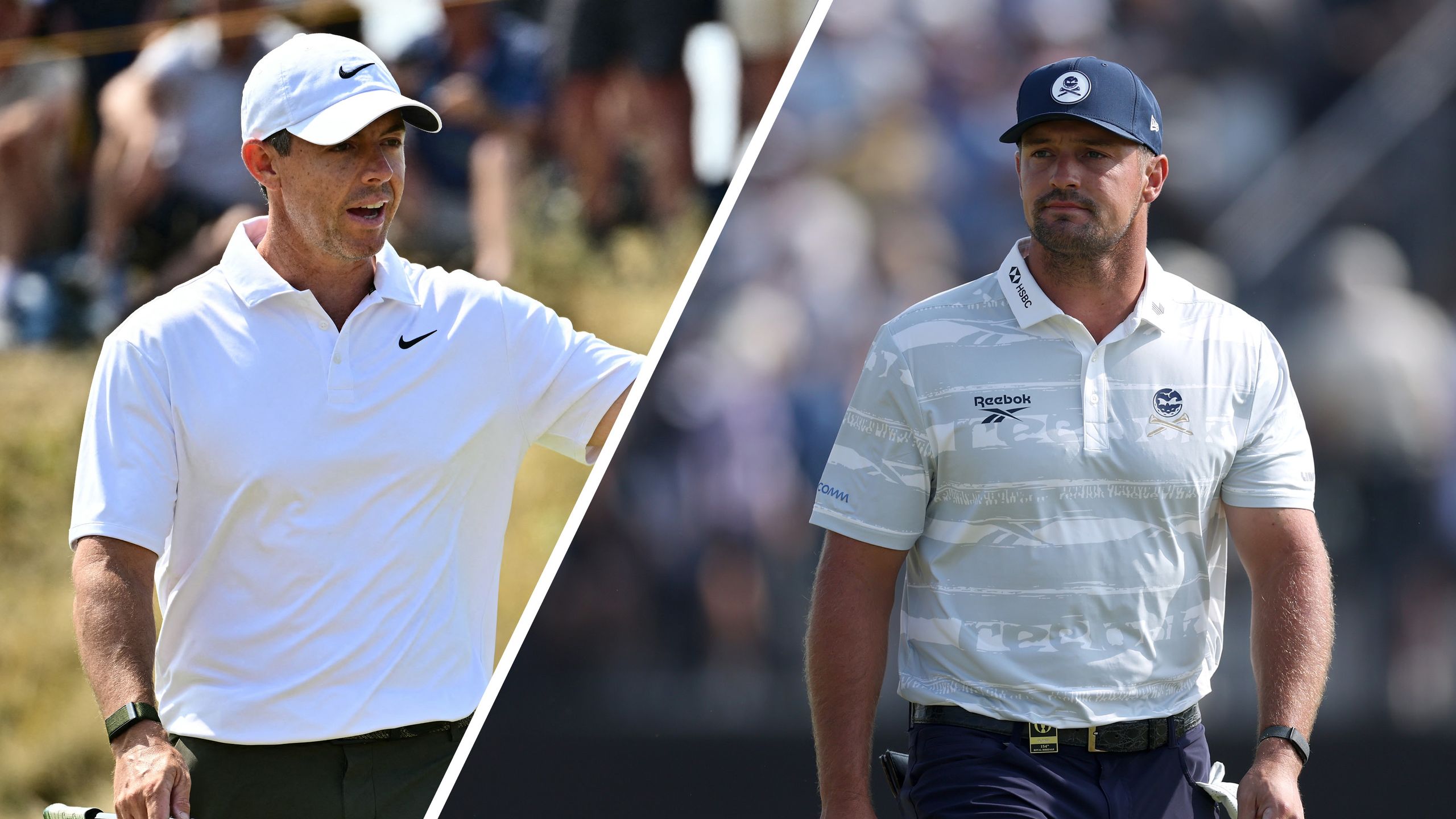
At the center of the storm was Bryson DeChambeau, who found himself under the scrutiny of The R&A after being found guilty of improving his swing path on the fifth hole during Friday's second round. While officials stressed the infraction was accidental, the resulting two-stroke penalty ignited a firestorm that transcended the scorecard, pitting the perceived opportunism of one player against the rigid professional standards of another.
The Birkdale Standoff
The sequence of events was chaotic. Following a protracted discussion with rules officials and a range session that stretched long after sunset, tee times for the third round remained unavailable until nearly midnight. As players began airing their grievances on social media, the narrative shifted from a technical violation to a question of tournament conduct. Reports suggested DeChambeau had even threatened to withdraw from the final men's Major entirely in protest of the ruling.
For Rory McIlroy, the delay was more than an inconvenience; it was an affront to the spirit of the game. Watching the incident unfold live from the players' lounge, the Northern Irishman didn't hesitate to voice a perspective that many in the locker room clearly shared.
"I won't pretend to be up here and defend Bryson. I'm not particularly fond of him. I think a lot of it's performative. I think a lot of it's for attention," McIlroy remarked after completing his own third round. "To hold the tournament hostage like that, and to have all of us, players, volunteers, everyone waiting on him to depart, I didn't feel like it was a great look."
McIlroy’s analysis was surgical. He didn't focus on the technicality of the lie—which he admitted was a gray area between carelessness and intent—but on the theater of the aftermath. To McIlroy, the implication was clear: whether the improvement of the swing path was a mistake or not, the subsequent reaction was a calculated disruption.
A House Divided
However, the consensus in the field is far from absolute. While McIlroy’s critique was blistering, other heavyweights in the game offered a more sympathetic view of DeChambeau’s predicament, suggesting the rules official's decision lacked the necessary nuance for the conditions on course.
Xander Schauffele, the 2024 Open champion, suggested that the nature of the terrain should have warranted the benefit of the doubt. "It's a tough spot to be, obviously, when you're in high brush, kind of having to dance around to get to your golf ball is a tricky thing," Schauffele noted, implying that the penalty might have been overly punitive given the difficulty of the lie. "He said he didn't do it intentionally, and it's unfortunate that he got penalized because he was playing incredibly well."
Max Homa echoed this sentiment, moving beyond the tactical error to defend DeChambeau’s fundamental integrity. "I know I've known Bryson for a very long time... and I know he would never cheat the game of golf," Homa stated, arguing that the rule in question feels designed to protect against intentionality, a distinction that may have been lost in the Birkdale heat.
The Weight of the Critic
To understand why McIlroy’s words carry such significant weight, one must look at his current standing in the golfing hierarchy. This is not a player in decline or a journeyman offering opinion; this is a man who has redefined the modern era of the sport. Having completed the career Grand Slam in 2025 with a Masters victory, and successfully defending that title in 2026, McIlroy enters this period of friction as one of the most dominant forces the game has ever seen.
With an estimated $77 million in earnings for 2026 and a place among the elite few—alongside Tiger Woods and Scottie Scheffler—to have surpassed $100 million in career prize money, McIlroy’s authority is backed by both trophy cabinets and commercial gravity. When he speaks about the "look" of the game, he is speaking from a position of unrivaled professional stature.
The clash at Birkdale is more than a disagreement over a two-stroke penalty; it is a collision of philosophies. On one side is the DeChambeau camp, arguing for the realities of playing in difficult conditions and the right to contest rulings. On the other is the McIlroy perspective: a belief that the dignity of the tournament and the collective experience of the field must supersede individual protest.
Evidence-Led Forecast: 2026 Truist Championship
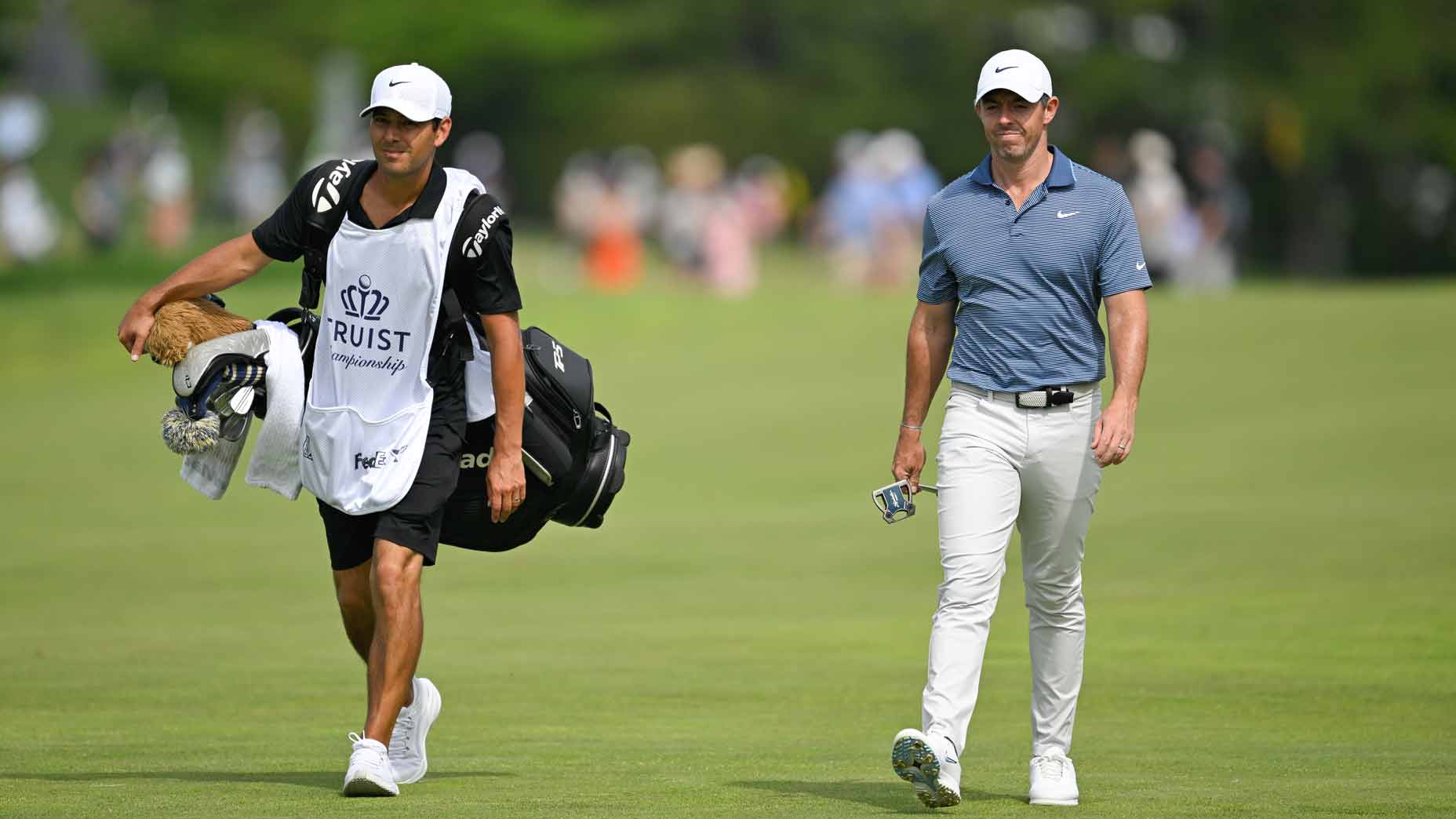
As the tour moves toward the Truist Championship at Quail Hollow, the momentum of this rivalry will likely carry forward. McIlroy arrives as the heavy betting favorite (+600), fueled by his recent Masters dominance and his historic four-win record at the venue. However, the tactical matchup to watch is the battle between McIlroy’s precision and the surging form of Cameron Young (+900), who enters the week following a breakthrough victory at the Players Championship.
Decisive Matchup: McIlroy’s ability to maintain composure amidst the psychological noise of the LIV/PGA tension versus Young’s momentum. Strongest Counter-Case: If the field continues to rally around the "benefit of the doubt" philosophy seen at The Open, McIlroy may find himself socially isolated in locker room politics, even as he remains a statistical favorite. What would change the read: Any sign of mental fatigue from McIlroy following the Birkdale fallout or a continued statistical surge from Young could shift the betting landscape significantly.
Sources
These sources formed the evidence pack for this article. Links open the original publisher; inclusion does not imply endorsement.
- golfchampion.cz original
- forbes.com original
- golfmonthly.com original
- golf.com original