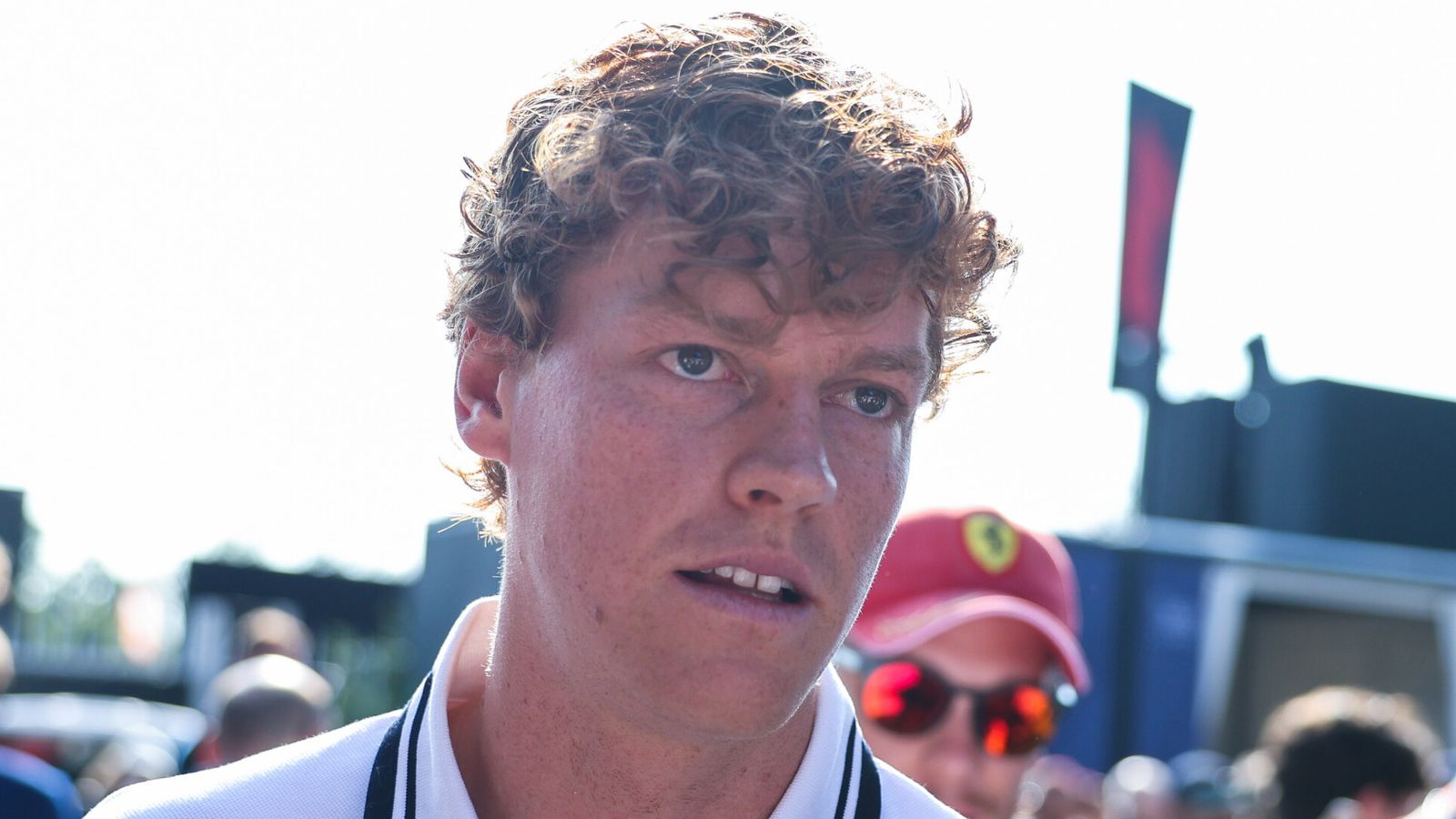
When Jack Draper sat in his changeover chair at the Canadian Open and wiped away tears during a deciding-set defeat to Terence Atmane, it laid bare the psychological toll of a body in rebellion. Trailing 4-1 in the final frame after his serve had completely subsided, the 24-year-old was reduced to rolling the ball over and hitting desperate dropshots. It was a wretched scene for a competitor who once climbed to world No. 4, now grappling with a left-arm injury that refuses to release its grip.
For more than a year, Draper has been trapped in a cycle of rehabilitation and relapse governed by bone bruising in his humerus. What makes the situation uniquely agonizing is its deceptive nature. Ahead of the Mubadala DC Open in Washington, Draper felt physically good in practice under the guidance of new coach Andy Murray. Yet, just 24 hours later, familiar soreness forced a withdrawal—a carbon copy of the heartbreak he suffered at Wimbledon, where he pulled out the day before his opening match despite expressing optimism about his fitness.
"These last months have felt like nothing but adversity and setbacks," Draper wrote on Instagram after pulling out of Washington. Most days I've spent in doubt, yet hopeful that I can keep taking positive steps forward and finding ways to progress.
The timeline of his turbulence over the past twelve months highlights how fragile his trajectory has become:
- July 2025: Steps away from the tour initially as the left-arm bone bruising problem emerges.
- Early 2026: Returns in February, only to be sidelined further by knee tendinitis and shoulder issues.
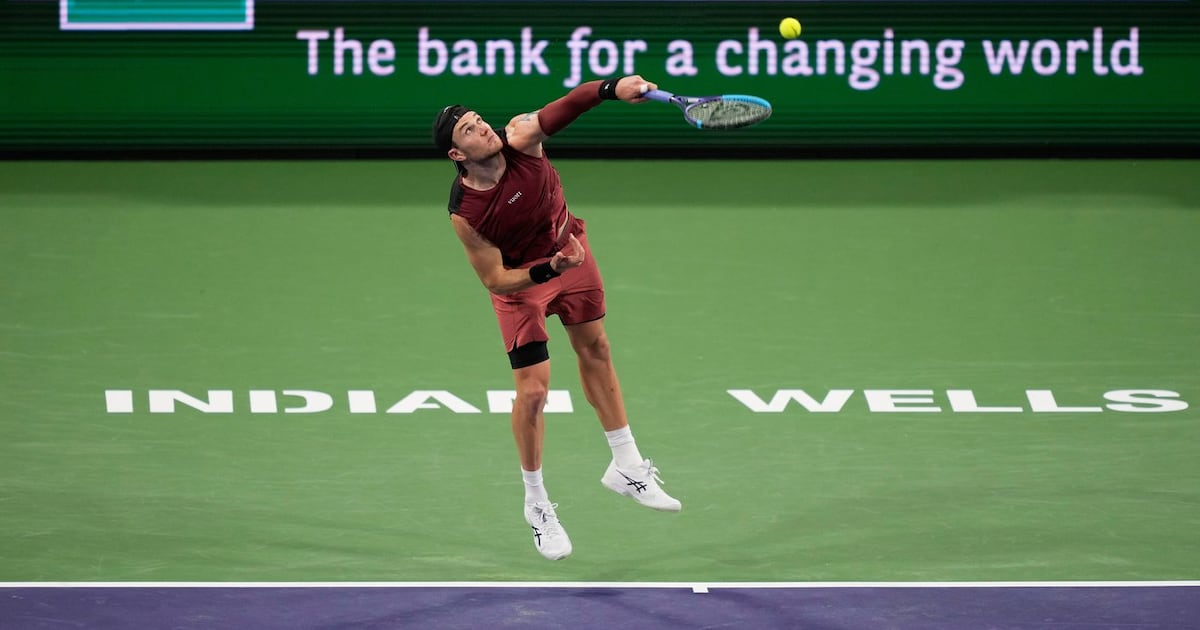
- June 2026: Makes a grass-court return at Eastbourne, reaching the semi-finals at the cost of a flare-up that ruins his Wimbledon dream.
- Late July 2026: Receives a main-draw wild card for the National Bank Open in Montreal after withdrawing from Washington.
- August 2026: Suffers a tearful first-round defeat to Terence Atmane in Montreal as his serve abandons him in the third set.
Draper has played just 14 matches over the past year, seeing his ranking tumble to No. 147 in the world. Speaking candidly about his physical reality, the left-hander emphasized that his condition defies a simple prescription. It's important for people to recognise that the injury I have is very complex, it's very complicated and everyone around me is doing everything we can to help this keep moving along,
Draper explained. It's not as simple as 'rest and heal up and you'll come back and you'll be fine'.
The tactical dilemma for a player of Draper's aggressive baseline profile is identifying the boundary between productive discomfort and structural damage. As he noted during his time at Wimbledon, At the end of the day I'm playing a very aggressive sport, that you need to play through some stuff. Sometimes it's too much. Sometimes it's not.
When the humerus flares up, the kinetic chain breaks down instantly, turning a weaponized left-handed delivery into a mechanical vulnerability.
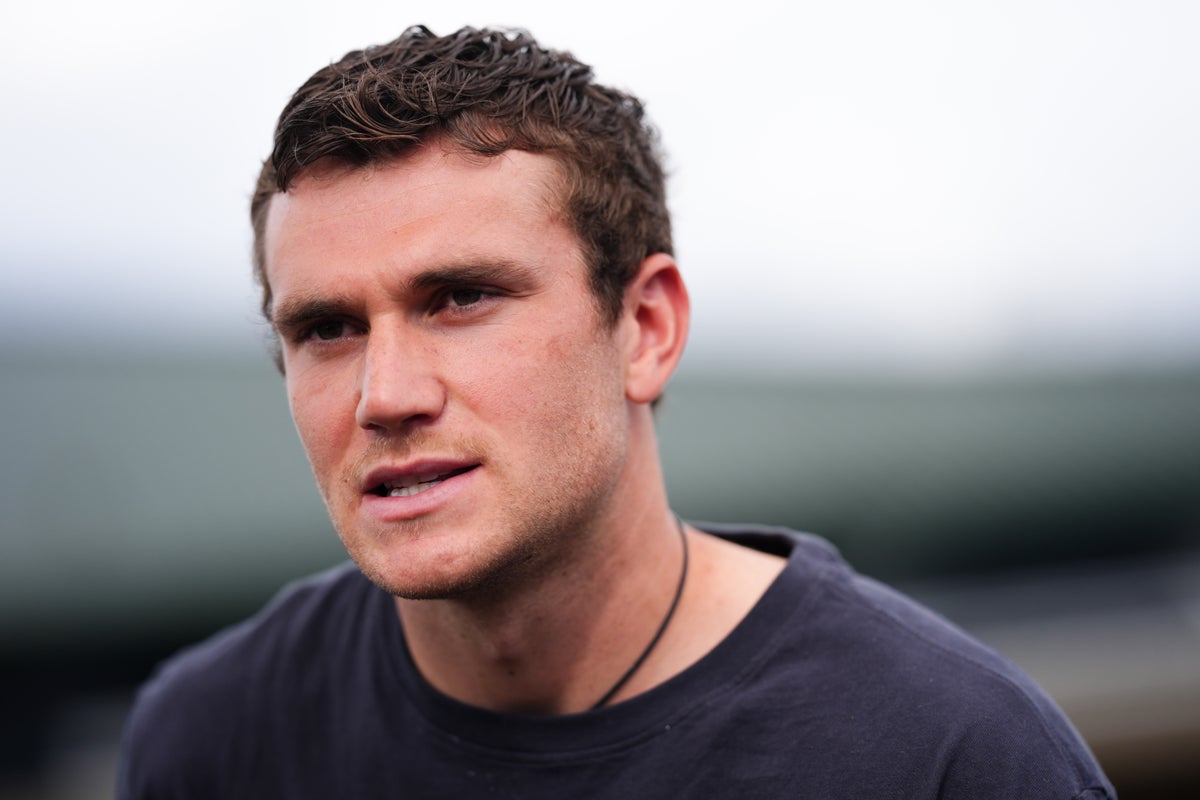
With the US Open looming on August 30—where he memorably reached the semi-finals in 2024—Draper's immediate future remains shrouded in doubt. Having received a wild card in Montreal, he must navigate rigorous tournament reps and physical interrogations if he is to re-establish himself at Grand Slam level, where he hasn't featured in a main draw since last year's trip to Flushing Meadows. Whether patience and medical innovation can untangle his complex recovery remains the defining question of his career.
Sources
These sources formed the evidence pack for this article. Links open the original publisher; inclusion does not imply endorsement.
- bbc.com original
- dailymail.com original
- tsn.ca original
- independent.co.uk original