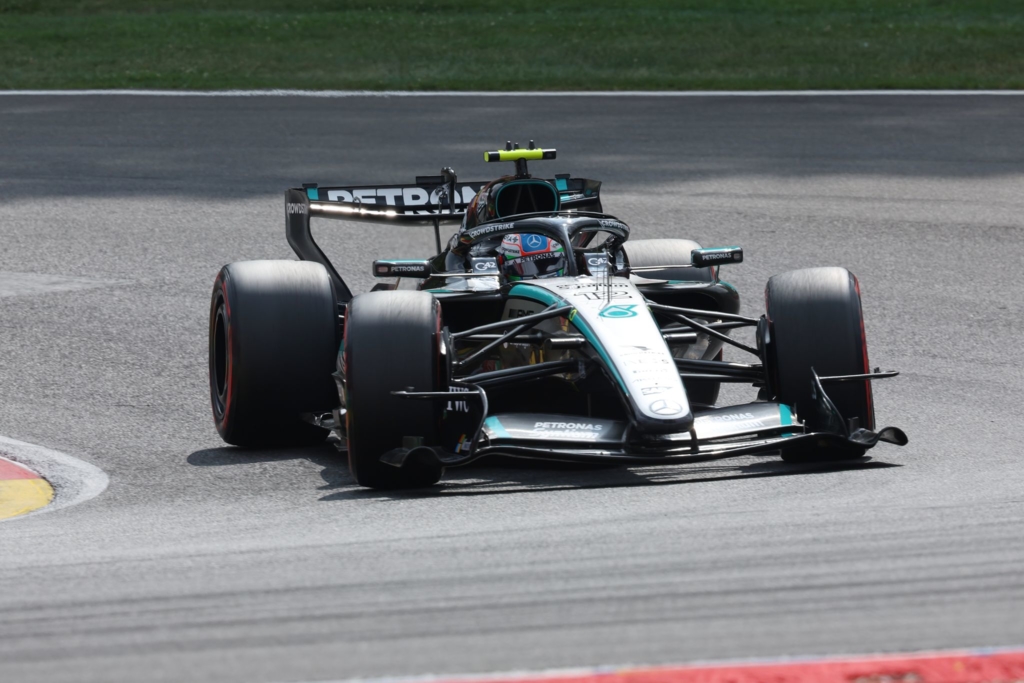
The gap between Kimi Antonelli and the rest of the grid is no longer a matter of mere talent; it has become a matter of technical and psychological territory. At just 19 years old, the Italian Mercedes driver has once again asserted his dominance, claiming his sixth pole position of the 2026 season during a high-stakes qualifying session in the Ardennes.
The Belgian Grand Prix qualifying didn't just offer a front-row setup; it provided a stark illustration of the current hierarchy in Formula 1. While Antonelli moved with surgical precision from lap to lap, his rivals were left grappling with everything from tactical slipstreaming to catastrophic mechanical failures.
The Ardennes Duel: Precision vs. Desperation
Antonelli’s path to the top was not without its hurdles. After a sluggish opening segment where he sat in eighth place—trailing Lando Norris by nearly half a second—the Mercedes driver found his rhythm during the knockout phase. He demonstrated the characteristic ability to refine his performance under pressure, improving with every single flying lap to secure the top spot.
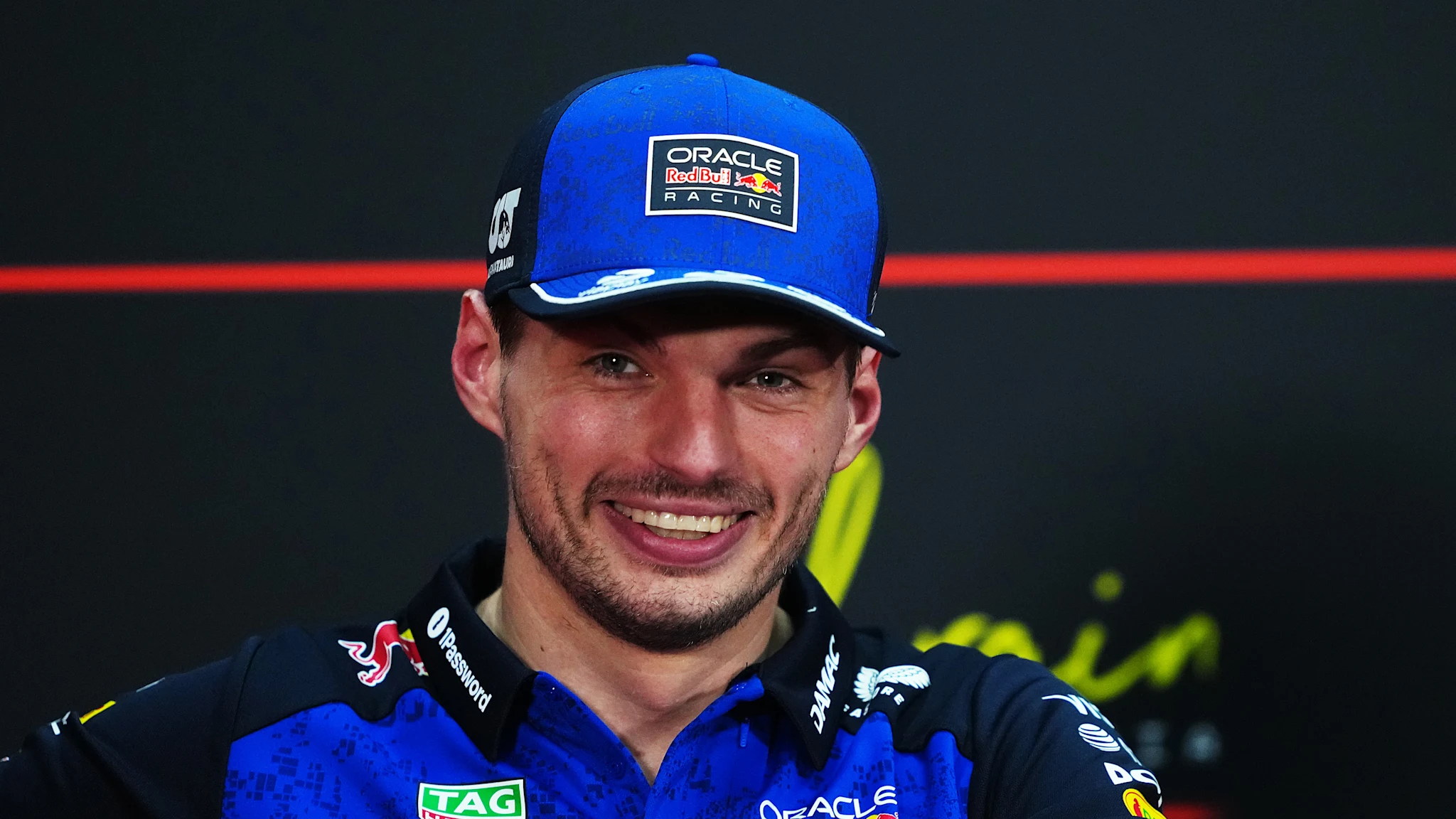
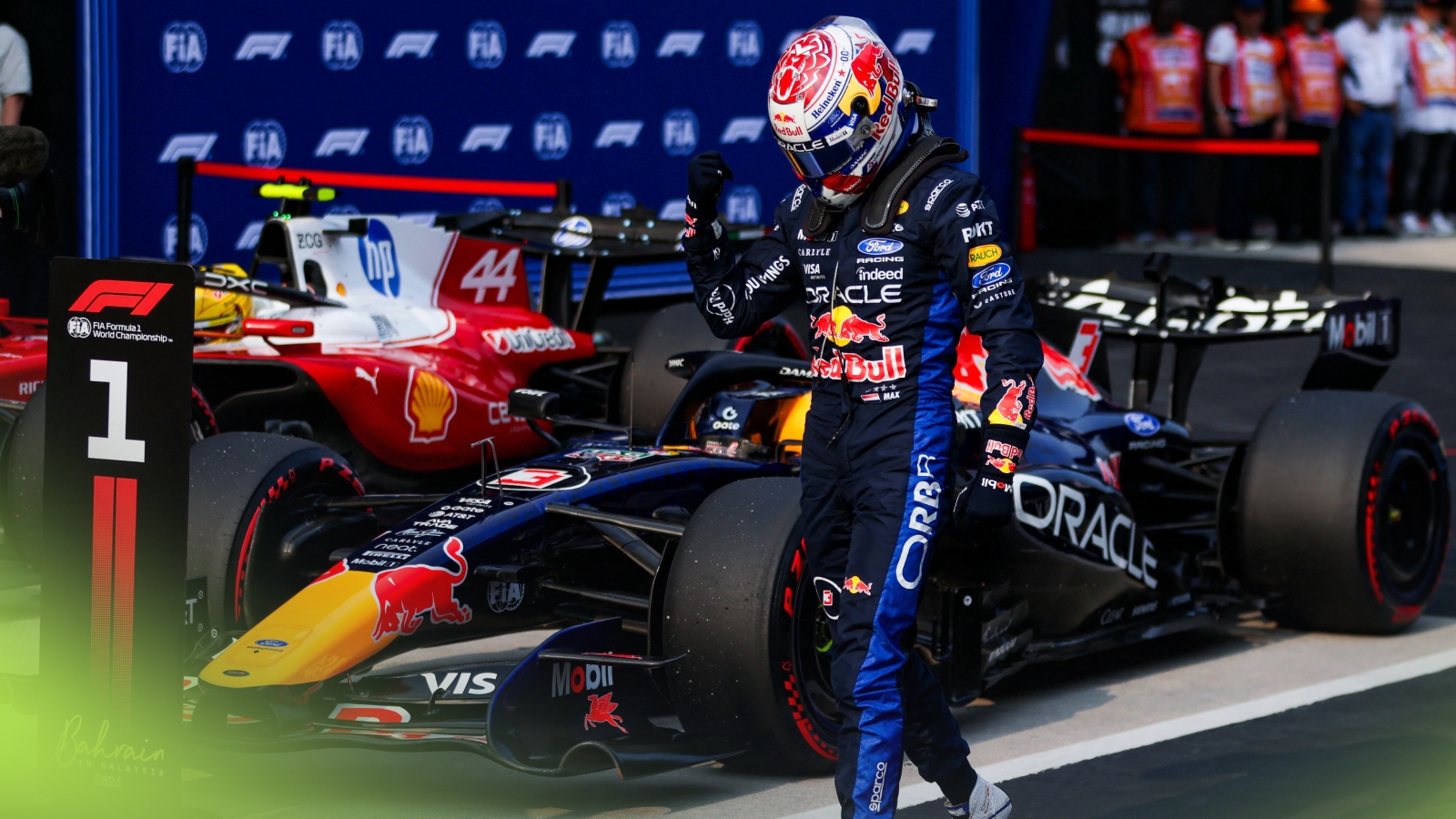
In contrast, the fight for the remaining front-row slot was a showcase of tactical maneuvering that ultimately fell short. Max Verstappen, the Red Bull driver and former world champion, attempted to claw back time through pure tactical opportunism. Utilizing his teammate Isack Hadjar as a mobile windbreak, Verstappen benefited from two strategic slipstream maneuvers designed to maximize his top-end speed on the long Belgian straights.

Despite the assistance from Hadjar, the Red Bull could not bridge the gap. Verstappen eventually settled for second place, trailing Antonelli by 0.317 seconds. While Verstappen was quick to praise the Frenchman Hadjar, noting,
"He did a super job. That is a good result. We are satisfied and happy that we are now in the first row,"Heimatsport, the reality remains that the Red Bull package is struggling to match the raw, integrated pace of the Mercedes.
The Technical Bottleneck: Energy Management and Power Deficits
A critical question emerged from the session: why are lap times at the 7.004-kilometer Spa-Francorchamps circuit significantly slower than in previous years? The answer lies in the complex intersection of the new engine regulations and the unique topography of the Ardennes.
The current technical era has introduced comprehensive changes to motor energy management. Drivers now face a much tighter ceiling on available power; specifically, the internal combustion engines lack the necessary punch when operating without significant electrical assistance. This creates a strategic nightmare on a circuit like Spa.
Because the track is characterized by high-speed sweeps and long, sustained straights, it offers very few opportunities for aggressive energy recovery. Drivers find themselves in a constant battle to manage a diminishing pool of electrical power, unable to harvest enough to compensate for the inherent power deficit of the combustion unit alone. This lack of 'recharge' opportunities turns the qualifying session into a game of managing scarcity rather than maximizing output.
The Grid Shake-up and Mechanical Chaos
The qualifying results on paper do not reflect the actual tension on the track. A significant regulatory blow landed on Lando Norris, who initially looked set to claim third. However, a penalty triggered by a change in his car's power electronics will see the Briton drop ten places on the grid. This reshuffle promotes George Russell to third, placing the second Mercedes alongside Antonelli for the start of Sunday's race.
At the back of the pack, the session was defined by technical heartbreak for Nico Hülkenberg. The 38-year-old Audi driver saw his qualifying ambitions end prematurely at 14th place. A sudden hydraulic failure rendered his car undriveable, and the situation was so severe that the car could not even return to the pits. Hülkenberg was forced to abandon the vehicle on track, requiring circuit personnel to manually push the dead machine behind the barriers.
Championship Stakes: A Season of Disparity
As the paddock prepares for the Grand Prix, the math in the World Championship standings highlights just how much the landscape has shifted in 2026. Antonelli is not merely leading; he is operating in a different stratosphere.
- Kimi Antonelli: Championship Leader
- George Russell: +25 points behind Antonelli
- Lewis Hamilton (Ferrari): +32 points behind Antonelli (trailing Russell by 7)
- Max Verstappen: -103 points behind Antonelli
The deficit for Verstappen is particularly telling. While he remains a constant threat for podiums, the 103-point gap to the young Italian suggests that the championship fight has largely moved beyond the reach of the Red Bull camp. For Antonelli, the focus shifts from proving his pace to managing the intense pressure of a season where every mistake is magnified by the sheer weight of his own expectations.
Sources
These sources formed the evidence pack for this article. Links open the original publisher; inclusion does not imply endorsement.
- faz.net original
- heimatsport.de original
- soester-anzeiger.de original
- 24hamburg.de original
- flashscore.at original
- flashscore.de original
- oe24.at original