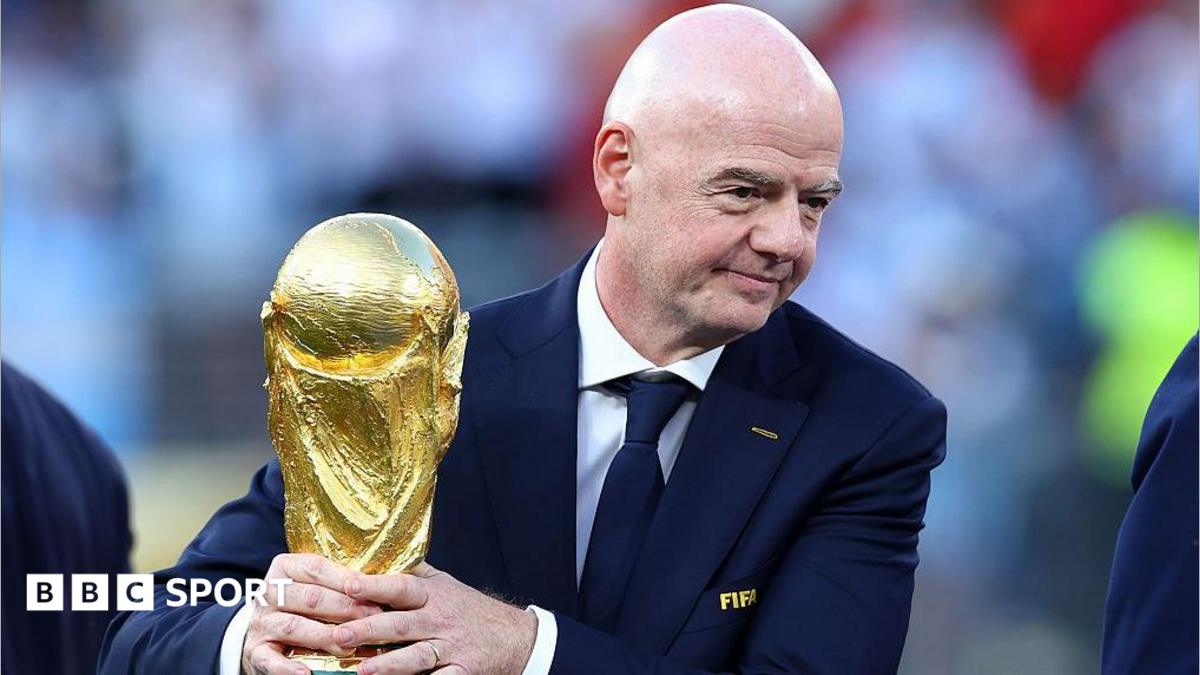
Less than a fortnight after walking across the MetLife Stadium turf to present medals at the conclusion of a record-breaking World Cup, Gianni Infantino found himself navigating the most treacherous 24 hours of his decade-long tenure. On Tuesday morning, the 56-year-old stood as the undisputed powerhouse of global football politics. By Saturday, after attempting to fast-track a $20 billion equity sale of FIFA's commercial operations to private investors led by Joshua Kushner, Infantino's grip on the presidency had fractured.
The self-inflicted crisis centered on the proposed creation of FIFA Forward Enterprise (FFE). Under the blueprint, FIFA aimed to raise $4.2 billion by selling minority stakes in its most lucrative commercial assets—broadcasting, sponsorships, ticketing, and tournament delivery—while dangling an immediate $20 million payment to each of FIFA's 211 member associations, followed by further disbursements through 2037. To critics across Europe, Asia, and North America, the scheme crossed a red line, commercializing soccer's ultimate crown jewels and sidelining traditional governance in favor of secretive back-room finance.
The backlash was swift and unsparing. UEFA unleashed its ultimate deterrent by threatening a total boycott of all FIFA competitions, including future World Cups—a move that would strip tournaments of world champions Spain and powerhouses like England, France, and Germany, instantly rendering any private equity investment worthless. Concacaf, which worked closely with Infantino to deliver the 2026 tournament, demanded an immediate review of FIFA leadership, while the Asian Football Confederation (AFC) firmly rejected the terms.
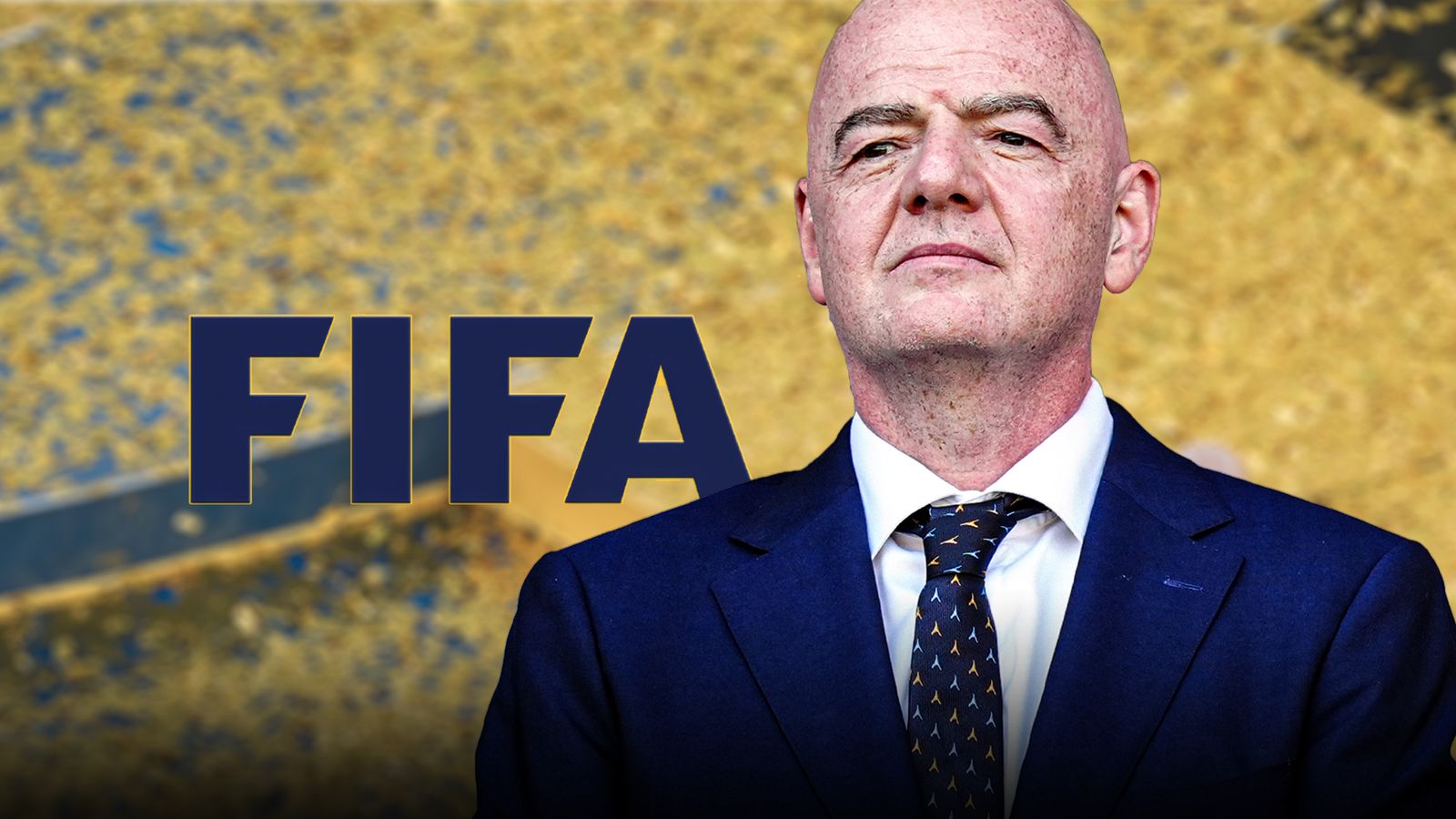
Internal dissent proved equally devastating. Carlos Cordeiro, a senior adviser and former Goldman Sachs banker, resigned in open protest, denouncing the plan as a bad deal for the long-term future of the game. Simultaneously, chief operating officer Kevin Lamour issued a stinging rebuke to Associated Press reporters, stating that FIFA staff had been deceived by a lack of transparency and deserved better than contempt and intimidation.
Faced with a crumbling coalition, Infantino backtracked in the early hours of Saturday morning, releasing a statement confirming the project would not proceed. Having listened carefully to all the views, it has become clear that the project has created divisions of a nature that, regardless of the level of support, are no longer in the interest of the objective set out in the first place,
Infantino said (Gianni Infantino).
Despite the climbdown, UEFA delivered a blistering follow-up statement declaring it had lost confidence in the incumbent, criticizing the shabby, back-room, opaque deal
(UEFA) and pointing to FIFA's idle cash reserves exceeding $5 billion as proof that member funds should be distributed through transparent channels rather than risky equity spinoffs. The Football Association and the Football Association of Wales quickly stepped forward to offer unequivocal backing to European football's governing body.

The Path to Ouster and Potential Successors
While resignation remains the quickest path out, echoing Sepp Blatter's departure under corruption pressure in 2015, Infantino retains a loyal bedrock of support in Africa, alongside public backing from Qatar and 2030 co-hosts Morocco. Opponents aiming to remove him before his fourth-and-final term bid in March 2027 face steep procedural hurdles. They can push for an emergency FIFA Council meeting requiring 19 votes, or trigger an extraordinary congress through 43 member requests, though a formal no-confidence vote would ultimately demand 106 supporting votes.
Should the resistance reach a contested ballot before the November 18 candidacy deadline, attention will turn to unifying global alternatives who can bridge divides across continents. Potential names frequently mentioned in diplomatic circles include Concacaf president Victor Montagliani, fluent in four languages and praised for his role in delivering the 2026 tournament, and AFC president Sheikh Salman bin Ibrahim Al Khalifa, who marshaled his 46-member confederation into fierce opposition against the FFE proposal.
For now, Infantino is attempting to outlast the storm through personal diplomacy and outreach, hoping that time and financial promises will heal fractured alliances. But unlike previous political scrapes, this miscalculation has exposed deep vulnerabilities at the heart of global football administration.
Sources
These sources formed the evidence pack for this article. Links open the original publisher; inclusion does not imply endorsement.
- bbc.com original
- skysports.com original
- bbc.co.uk original
- pbs.org original
- Mark Ogden original
- Sophie Tanno original