When Formula 1 roars back to life at Circuit de Spa-Francorchamps, the layout and the atmosphere conspire to test every engineering assumption a garage brings through the gates. The opening Friday of the Belgian Grand Prix weekend immediately plunged the paddock into a familiar tactical scramble. Between fluctuating precipitation forecasts hovering between 50% and 67% for the opening days and a persistent northwest wind profile, teams found themselves balancing downforce levels against straight-line efficiency on one of the calendar's most demanding stretches of tarmac.
Aerodynamic trade-offs at Spa always hinge on how a car handles the elevation changes and high-speed sweeps of the first sector before tackling the long drag up the hill. Friday's meteorological conditions added a layer of complexity: the prevailing northwest wind created a helpful tailwind along the Kemmel Straight while transforming the braking zone into a tricky headwind challenge ahead of the Bus Stop chicane. Ambient temperatures settled near 20°C, providing a relatively stable thermal baseline for tire warm-up, yet the constant threat of damp patches kept race engineers tethered to their radar screens.
Garage Drama and Early-Session Attrition
The rhythm of the first practice sessions was disrupted early by mechanical gremlins. Just five minutes into the track schedule, Oscar Piastri was forced to remain stationary inside the garage due to a hydraulic issue originating from the tail end of the opening practice block. In a compressed weekend format where every minute of data collection is critical, losing opening exploratory laps forces a team onto the back foot, altering long-run simulations and setup optimization.
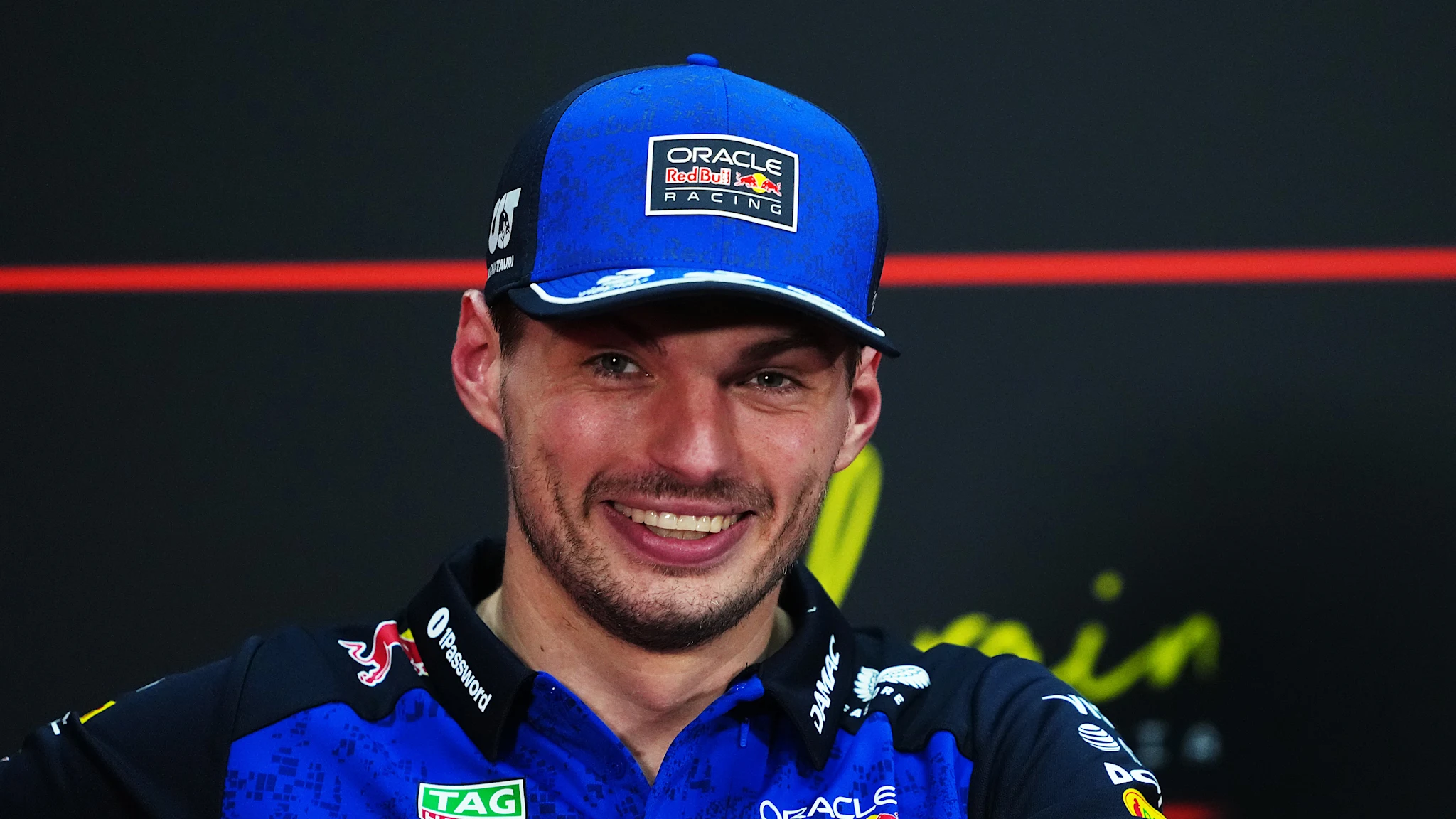
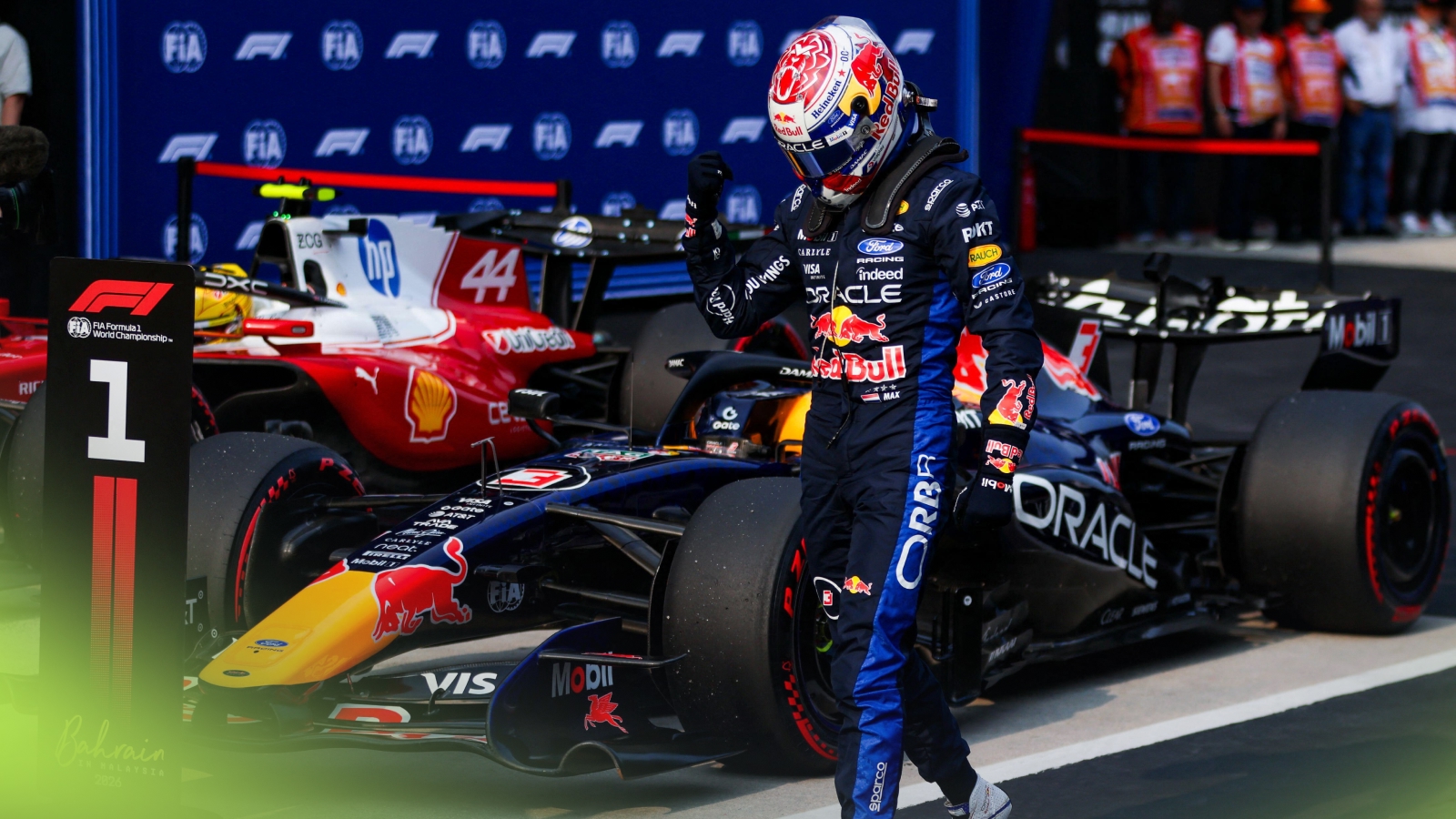
Further down the pit lane, the competitive order showed familiar early-weekend sparring. Max Verstappen set the pace during the initial running, showcasing the Red Bull's underlying strength through the high-speed transitions, while other outfits grappled with balance shifts. Midfield aspirations also faced strict reality checks; discussions surrounding Audi's developmental trajectory highlighted the gap to the front runners, with drivers noting the scale of the challenge required to bridge the deficit to the established hierarchy.
The Meteorological Horizon
Looking ahead toward the remainder of the weekend, the weather window remains the single most volatile variable for track engineers. While Saturday's test and classification sessions carry high rain probabilities, projections for Sunday's main grand prix indicate a drop to roughly 39% chance of precipitation. Even with a lower numerical risk, the undulating microclimate of the Ardennes forest means that a damp or drying track surface can materialize without warning, catching out unprepared strategists.
Ultimately, Friday at Spa served as a sharp reminder that mastery of the Belgian circuit requires more than pure engine output. Teams that manage to protect their hydraulic reliability, adapt swiftly to the capricious northwest gales, and correctly guess the rain windows will hold the definitive upper hand when the lights go out for real.
Sources
These sources formed the evidence pack for this article. Links open the original publisher; inclusion does not imply endorsement.
- Lance! original
- Blog do Milton Neves original
- motorsport.uol.com.br original