In the high-stakes ecosystem of Formula 1, diplomatic platitudes rarely survive a severe competitive deficit. When Red Bull team principal Laurent Mekies stepped into his new role following the departure of Christian Horner, he inherited more than just a championship-winning infrastructure; he inherited the most volatile contract clause in modern motorsport.
As the grid arrived in Spielberg for the Austrian Grand Prix amid intensifying paddock whispers, Mekies offered a familiar refrain to media outlets including F1TV and Motorsport.com: Max wants a fast car, and we are working day and night to give him a better race car. Not what is gossiped about in the paddock matters, but what happens on the track.
Laurent Mekies
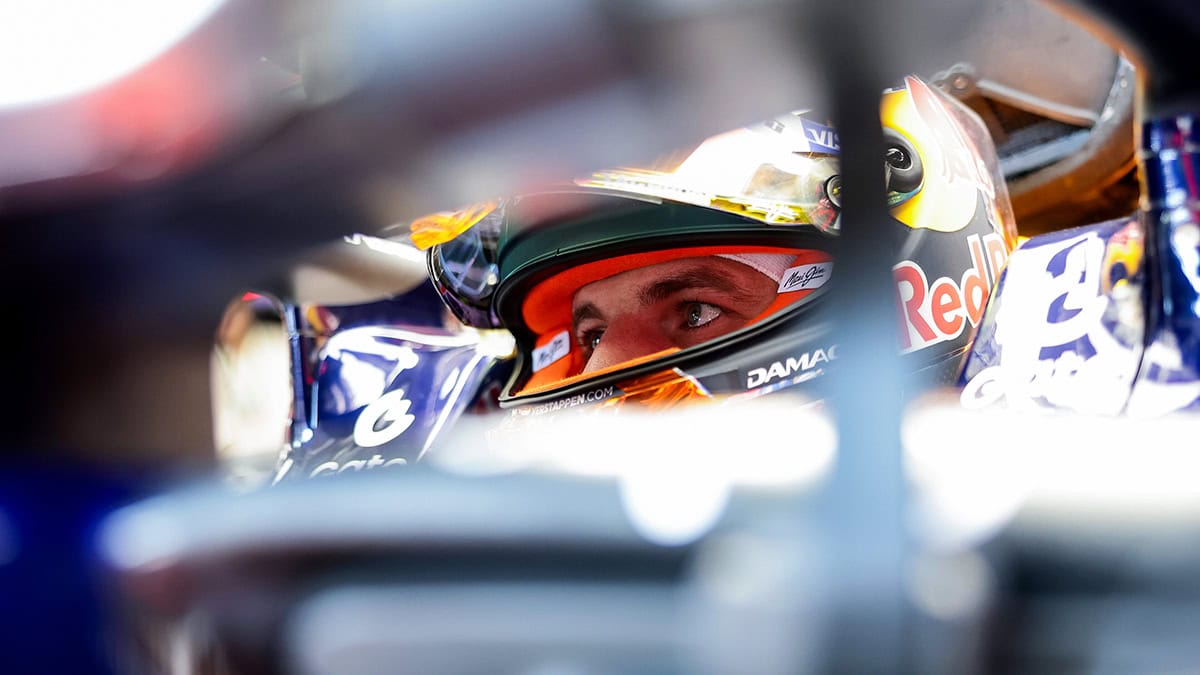
It is a clean, frictionless narrative. Yet, beneath that surface calm lies a stark divergence in perspective. While Red Bull’s leadership looks toward extensive upgrade packages and long-term project stability with optimism, Max Verstappen and his inner circle are operating under a much harsher reality. After dominating the sport from 2021 to 2024 and narrowly missing out in 2025, Red Bull finds itself mired in an unfamiliar sporting crisis. Seven rounds into the 2026 season, the Milton Keynes squad sits fourth in the constructors' standings, while Verstappen faces a daunting 101-point deficit in the drivers' championship.
The root cause is as stubborn as it is technical: persistent balance issues that have plagued Red Bull machinery for three consecutive years. Compounding these engineering hurdles are performance-based exit clauses written into Verstappen's contract, which runs officially through the end of 2028. Reports from specialist outlets like F1-Insider.com and Auto Bild indicate that Verstappen held a deadline until Friday in Spielberg regarding an offer from Red Bull management—featuring figures like Oliver Mintzlaff, Mark Mateschitz, and Chalerm Yoovidhya—to buy out those performance clauses for a reported eight million euros. Verstappen let the deadline pass without formal commitment, leaving the door wide open for a potential exit clause activation by the end of September should he fail to reach at least second in the championship standings.
The Strategic Trade-Off: Engineering vs. Politics
For Mekies, the strategy to neutralize these exit threats relies entirely on hardware rather than boardroom negotiations. He frames the challenge bluntly:
- Performance First: Political friction, personnel shuffles, and external overtures from team bosses like Mercedes' Toto Wolff become irrelevant the moment the car is quickest.
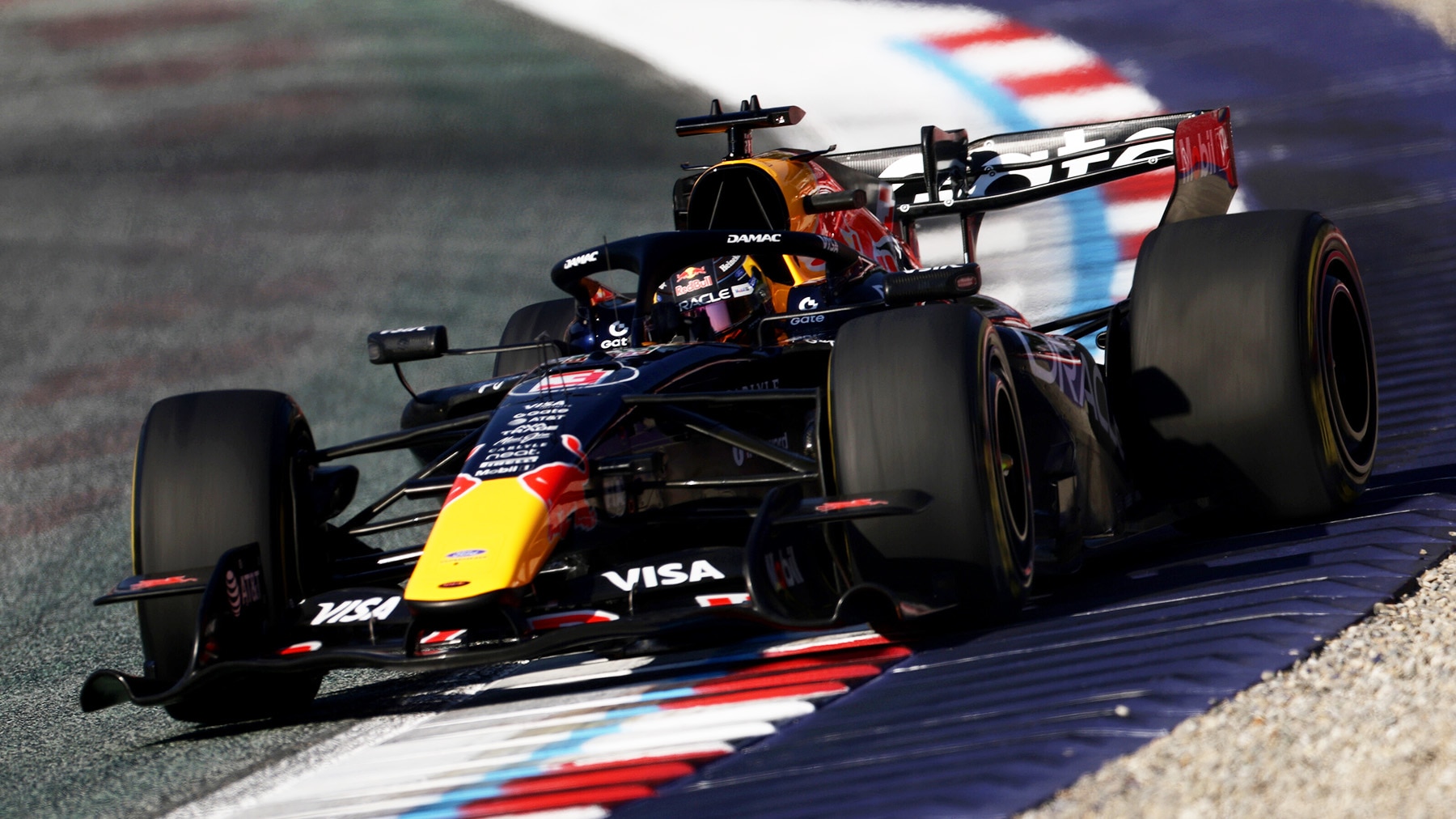
- Development Integration: Mekies has praised Verstappen's deep involvement in analyzing the RB22's behavior, emphasizing that the Dutchman's feedback remains vital for the engineering team.
- The Clause Reality: Consultant Helmut Marko has dismissed exit clause rumors as media creation, noting that Verstappen’s focus remains tied to car behavior on track rather than paddock speculation.
Yet, Toto Wolff's public admissions regarding discussions with Verstappen underscore a broader truth: elite drivers chase lap time, not just contracts. While Mercedes evaluates its own long-term lineup featuring George Russell and Kimi Antonelli, the magnet of a competitive power unit and predictable chassis dynamics remains the ultimate currency.
What to Watch on Track
As Red Bull rolls out its ambitious and sprawling update package in Austria, expectations must be tempered. As Mekies candidly admitted, an upgrade of this magnitude requires time to optimize across various track layouts and asphalt temperatures. If the new parts successfully mitigate the three-year balance deficit, Verstappen's technical feedback loop will likely secure his immediate future within the team. If the updates fail to bridge the gap to Ferrari and Mercedes, those September exit clauses will transform from background noise into the defining storyline of the 2026 silly season. For now, Mekies and Red Bull are running out of time, and the stopwatch remains the only judge that matters.
Sources
These sources formed the evidence pack for this article. Links open the original publisher; inclusion does not imply endorsement.
- bild.de original
- de.motorsport.com original
- f1-insider.com original
- autobild.de original
- von Sönke Brederlow , Co-Autor: Ronald Vording original
- t-online.de original