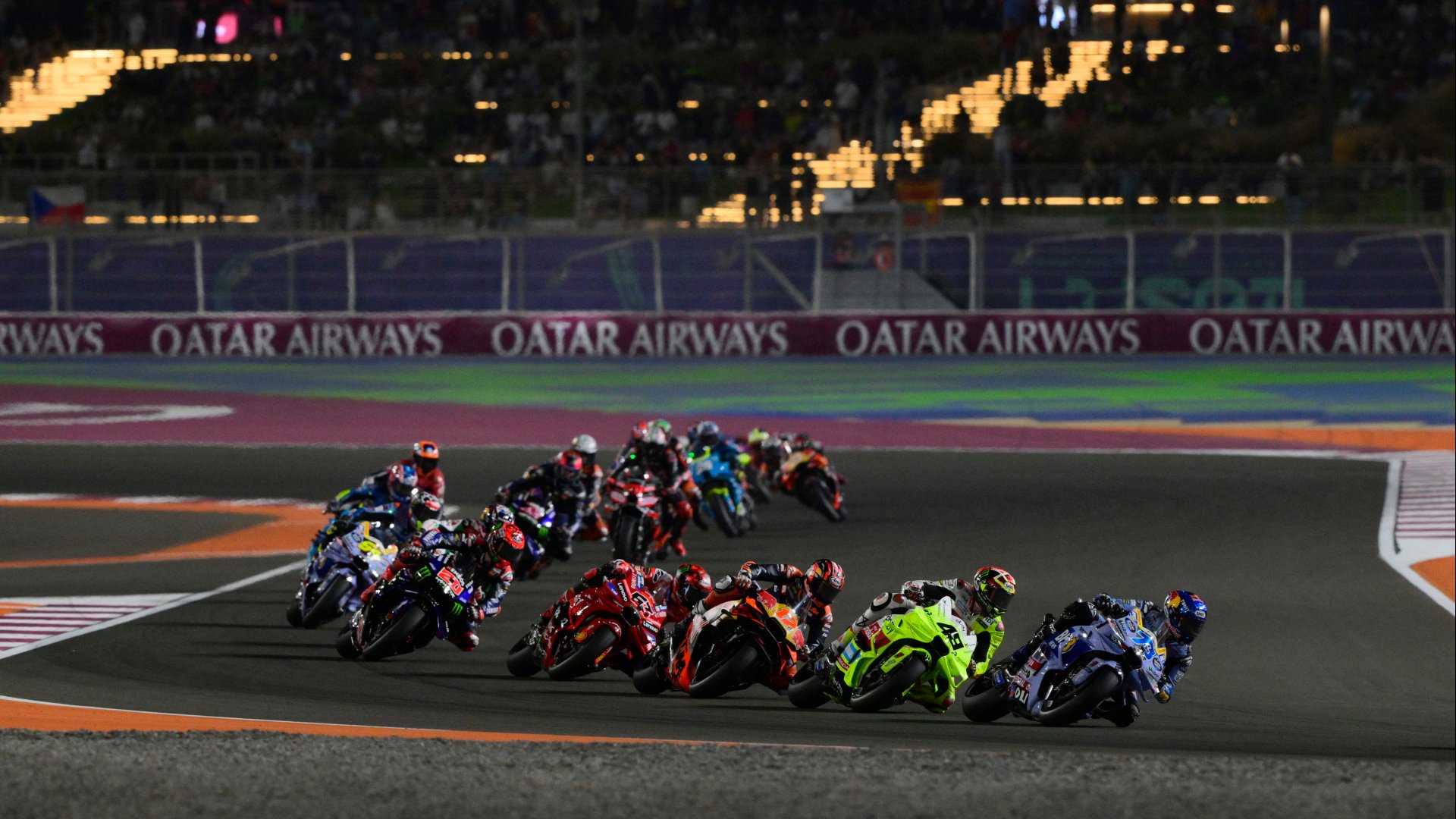
The green light remains on in Lusail, even as the broader Middle East motorsport calendar undergoes severe recalibration. Officials at the Losail International Circuit and the Qatar Motor and Motorcycle Federation (QMMF) are pressing ahead with full preparations for their scheduled MotoGP and Formula 1 events this November. While regional volatility has already forced cancellations and postponements across rival FIA and FIM sanctions, Qatar's sporting authorities are operating under a clear policy: maintain complete venue readiness while continuously assessing security conditions alongside international rights holders.
Operational Commitment Versus Regional Volatility
QMMF and Losail International Circuit president Abdul Rahman bin Abdul Latif Al Mannai has confirmed that ground operations for both elite series are continuing without interruption. The circuit is proceeding on its standard event schedule, working to ensure the facility is fully prepped rather than halting preparations for contingent risks. However, QMMF officials openly acknowledge that the ultimate execution of the races depends on evolving regional developments over the coming weeks.
The caution stems from a turbulent year for regional motorsport fixtures. The World Endurance Championship (WEC) was forced to drastically revise its plans for the Qatar 1812 KM; initially scheduled for February, the fixture was moved to October before being cancelled outright, with the WEC shifting its season-ending finale to Monza in Italy. Similarly, Formula 1 was forced to put its April 12 Bahrain Grand Prix and subsequent Saudi Arabian Grand Prix on hold due to Middle East conflict. While the World Rally Championship (WRC) is still expected to conclude its campaign in Saudi Arabia, the regional disruption has raised ongoing questions about all late-season events in the Gulf.
Safety Mandates and Calendar Realities
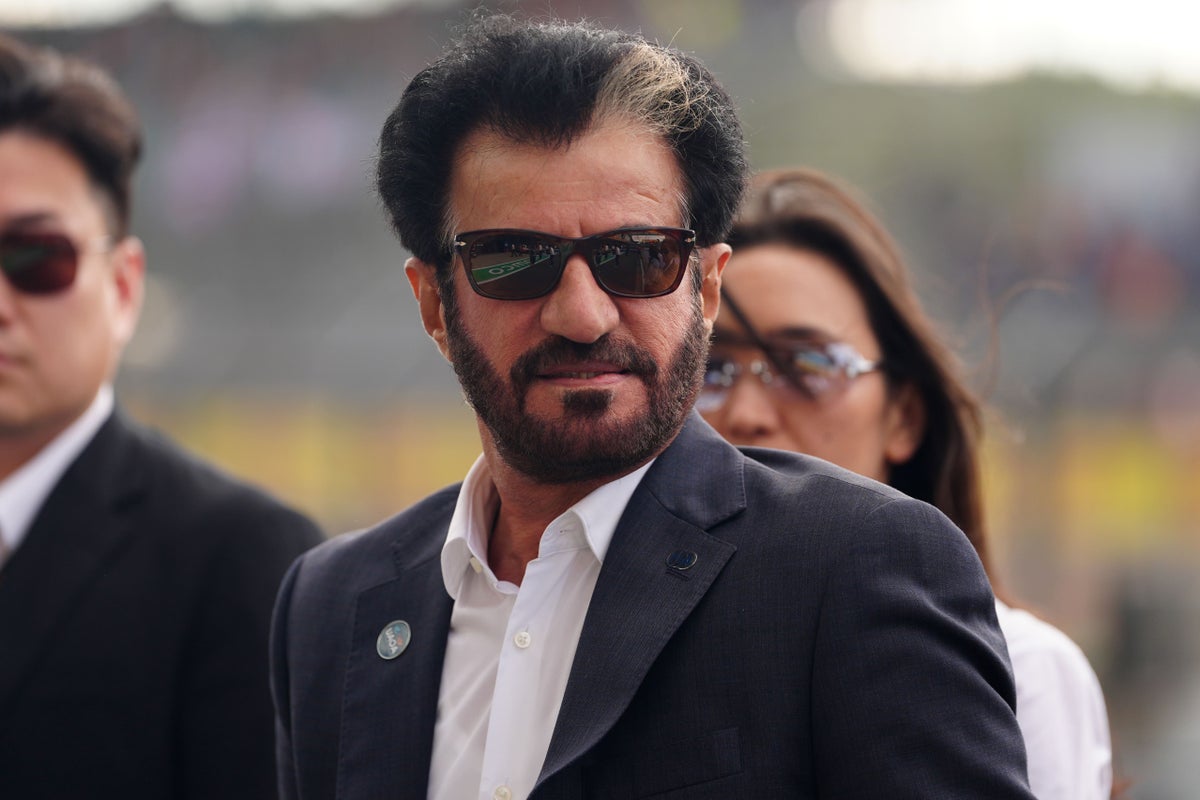
While venue operators in Qatar report normal daily operations, the decision to race ultimately involves international governing bodies, team personnel, and logistical authorities. FIA President Mohammed Ben Sulayem underscored the delicate balance required when assessing Middle East fixtures, emphasizing that human life supersedes commercial and sporting schedules.
blockquote>Is there going to be a bit of stability? To tell you the truth, we are far away from that,
Ben Sulayem stated, adding that safety is more important than adding to an already-crowded calendar.
Pointing to regional threats, he noted, UAE had over 3,300 missiles and drones. You have no idea. We go and think of a small thing that is more important.
Formula 1 CEO Stefano Domenicali previously indicated a desire to restore at least one postponed Middle East round in the right moment and the right conditions,
with a mooted October 4 date for Bahrain slotted between Azerbaijan (September 26) and Singapore (October 11). Yet for the late-season swing—which places Qatar on November 29 followed by Abu Dhabi a week later—F1 and MotoGP management must weigh paddock safety, freight transit, and diplomatic advice against local venue readiness.
Track Mechanics and Infrastructure Readiness
From a purely operational standpoint, Losail International Circuit remains one of the most capable facilities in global motorsport. Hosting MotoGP continuously since 2004 and subsequently adding permanent F1 hosting duties, the circuit features permanent floodlighting that enables night racing, a crucial technical necessity to combat Qatar's high desert heat.
Qatar's broader transport network continues to run at full volume to support the expected influx of teams, freight, and international spectators. Situated approximately 30 kilometres southeast of the track, Hamad International Airport serves as a major global hub, processing over 30 million passengers annually and linking Doha to 234 destinations across 160+ direct Qatar Airways routes alongside major carriers like Emirates, Etihad, British Airways, and Turkish Airlines. On the ground, event transport relies on established networks, including state-operated Karwa taxis by Mowasalat, ride-share platforms Uber and Careem, and major rental fleets such as Avis, Hertz, Sixt, Enterprise, Alamo, and Budget.
Evidence-Led Forecast: Factors Dictating the November Races
Sources
These sources formed the evidence pack for this article. Links open the original publisher; inclusion does not imply endorsement.
- news.gp original
- tickets.gp original
- independent.co.uk original