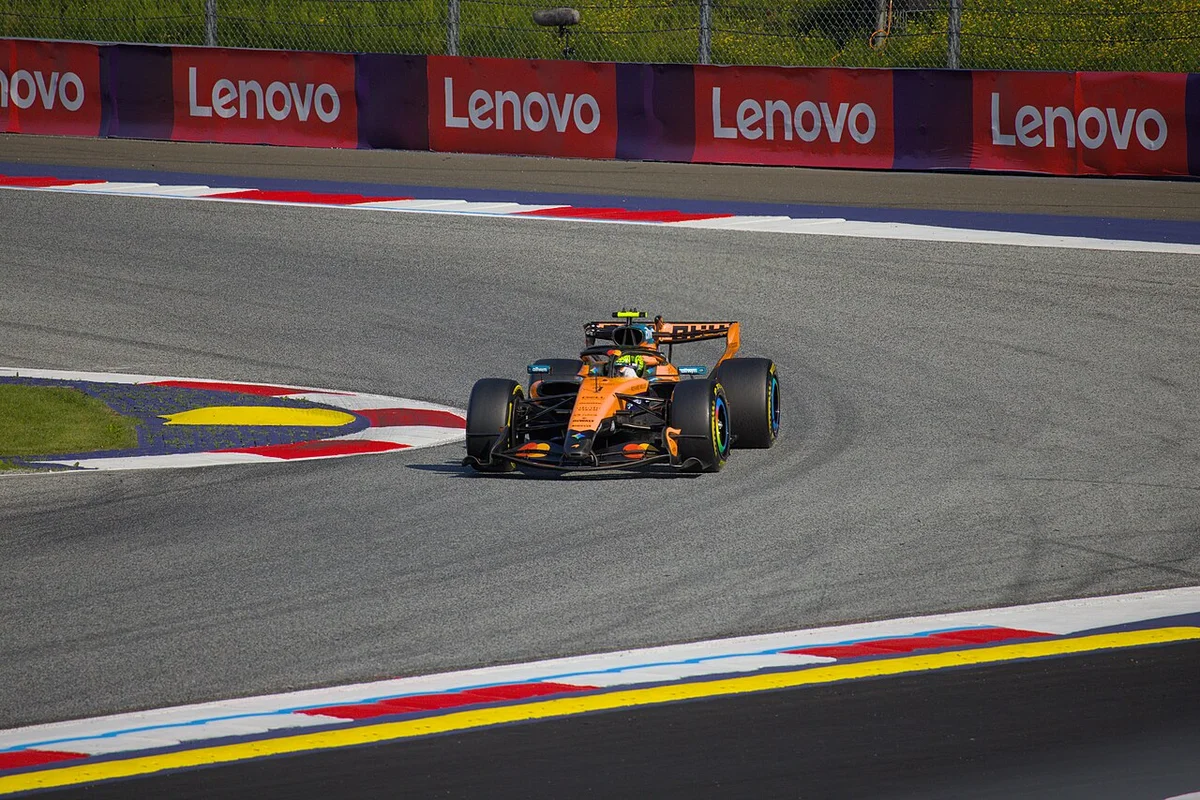
Financial filings scheduled for submission this week signal a transformational moment for McLaren Racing, with the Woking constructor disclosing £588 million ($779.6 million) in annual revenue for the 2025 calendar year. Powered by a commercial model in which Grand Prix operations generate more than 90 percent of overall earnings alongside its IndyCar program, the British outfit is establishing a clear trajectory toward becoming Formula 1’s first team to surpass $1 billion in annual turnover.
The centerpiece of the upcoming financial accounts is an extraordinary executive compensation package exceeding £75.4 million ($100 million) for McLaren Racing Chief Executive Officer Zak Brown. That figure marks a massive step up from his 2024 earnings of a £6 million base salary and £31 million long-term incentive plan. The record payout was triggered by a share award tied to a major corporate transaction in which Gulf sovereign investors acquired total control of the team.
Consolidated Equity and the £3.5 Billion Valuation
The financial foundation beneath Brown’s record compensation stems from a landmark transaction that valued McLaren Racing at £3.5 billion. Sovereign wealth fund Mumtalakat of Bahrain alongside Abu Dhabi-based CYVN Holdings bought out the remaining 30 percent of external shares, fully consolidating the team's balance sheet under Gulf ownership. The transaction highlights how radically Formula 1’s financial landscape has evolved since Liberty Media introduced regulatory spending limits.
Reflecting on the macroeconomic factors expanding team values, Zak Brown credited the sport's structural governance for creating commercial durability:
blockquote>The sport is on fire, you know, every metric, demand for teams,
Zak Brown noted, pointing to the shift under Liberty Media’s financial limits. It wasn't long ago that Liberty acquired the sport and put a cost cap in place, which kind of ensured everyone's financial stability and on-track stability and competitiveness. So it's been a wonderful thing. The fans are coming out in the tens and hundreds of millions, sponsors, partners in the sport, unlike we've ever seen before, so the sport is on fire, and long may it continue.
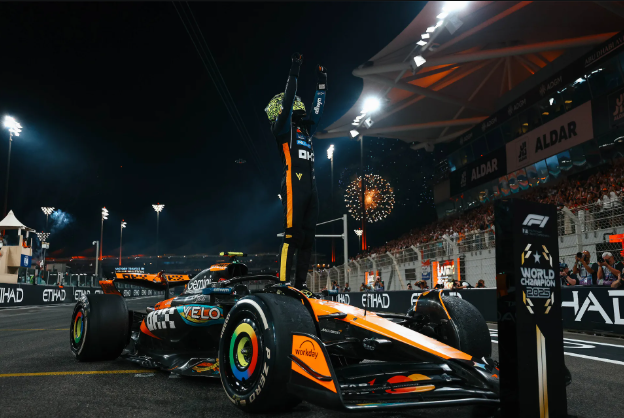
When asked whether team valuations are nearing a peak at £3.5 billion, Brown pointed toward sustained growth momentum across live global entertainment:
blockquote>I don't think so. I think if you look at sports in general, and I wouldn't say I'm an expert at all sports by any means, but they've only been going north forever. Every time there's a record deal and whatever sport it is, everyone goes, 'Oh, that was crazy'. And then you look back and in five years, they've still gone up. So I think our sport in particular has a lot of room for growth. We have 24 races, we have demand for probably 30 grands prix, so the demand is strong.
Resource Reallocation Under Cost-Cap Constraints
Pacing toward a $1 billion top line creates distinct operational advantages within modern Grand Prix racing. Because strict cost-cap rules directly restrict performance-driven spending on chassis engineering and aerodynamic testing, expanding commercial revenue cannot simply be funneled into raw trackside development. Instead, surplus capital reshapes the scope of Woking’s organizational infrastructure.
Revenue generated above the spending threshold flows into unrestricted operational categories: advanced facility development, long-term talent retention, brand expansion, and high-profile corporate partnerships. McLaren’s commercial portfolio currently includes major global partners such as Mastercard and Google, establishing a revenue foundation that operates independently of regulatory spending ceilings.
This off-track stability is reinforced by close racing across the field. Brown emphasized how on-track parity drives fan interest and partner confidence: Our car has the best brands in the world, the Mastercards, the Googles, etc.,
Zak Brown observed. The competition is amazing. Last year, four teams won, seven different drivers won multiple races. It's the first time I've seen that in my 30 years of following the sport, so the competition is great.

Historical Roots: From Colnbrook Workshops to Modern Woking
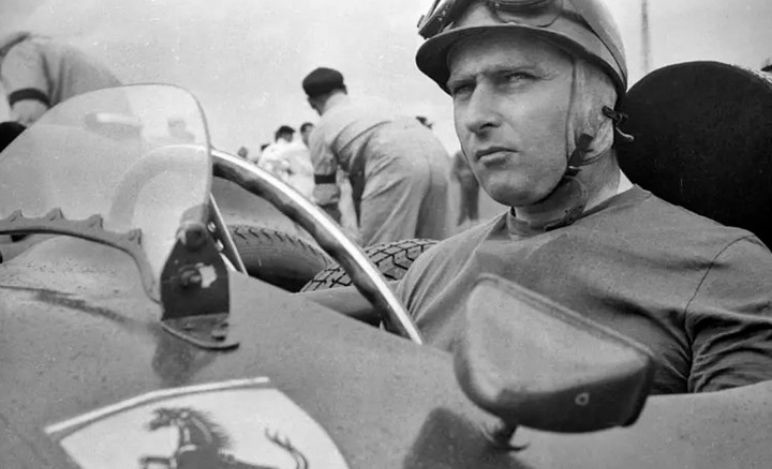
Today's £3.5 billion valuation offers a stark contrast to the team's early days. Founded in 1963 by New Zealander Bruce McLaren, the constructor moved through premises in New Malden, Feltham, and Colnbrook before settling permanently in Woking. Following Bruce’s death while testing the M8D Can-Am car at Goodwood in June 1970, Teddy Mayer assumed control, steering McLaren to its first constructors' championship and Emerson Fittipaldi's drivers' title in 1974, followed by James Hunt's drivers' crown in 1976 alongside long-standing backing from Marlboro.
A transformative shift occurred in 1981 when sponsor Philip Morris backed a merger between McLaren and Ron Dennis's Project Four Racing. Designer John Barnard revolutionized Grand Prix car construction by introducing the carbon-fibre composite MP4 (MP4/1), inspired by the carbon-fibre rear wings of BMW M1 race cars. That innovation ushered in an era of dominance powered by Porsche-built TAG turbo engines—financed by TAG founder and eventual shareholder Mansour Ojjeh—and Honda powerplants, earning drivers' titles with Niki Lauda, Alain Prost, and Ayrton Senna.
McLaren stands as the second-oldest active team on the grid behind Ferrari, boasting 175 Grand Prix victories, 12 drivers' championships, and 8 constructors' titles. Subsequent title-winning campaigns under Mercedes-Benz power delivered drivers' championships for Mika Häkkinen in 1998 and 1999, as well as Lewis Hamilton in 2008, before Dennis stepped down in 2009 to pass principal duties to Martin Whitmarsh.
As the latest financial accounts confirm, modern Formula 1 has evolved from a capital-draining enterprise into a high-margin commercial engine. Supported by a 24-race global calendar and unprecedented audience demand, McLaren's march toward $1 billion in revenue demonstrates how financial regulation has permanently altered the business of elite motorsport.
Sources
These sources formed the evidence pack for this article. Links open the original publisher; inclusion does not imply endorsement.
- en-academic.com original
- frontofficesports.com original
- oneracingapp.com original
- fervogear.com original