When Simon Merchet surveys the development landscape of motorsport's upcoming technical horizon, the terminology is unambiguous. Supervising the architecture of the future Gen4 platform for Stellantis Motorsport—with testing operations running out of Guadix and prototype outings drawing attention across Europe—the engineering reality matches the corporate ambition. What awaits the ABB FIA Formula E World Championship for the 2026–2027 season is not an incremental update. It is a structural reconfiguration of what electric single-seaters can endure and achieve.
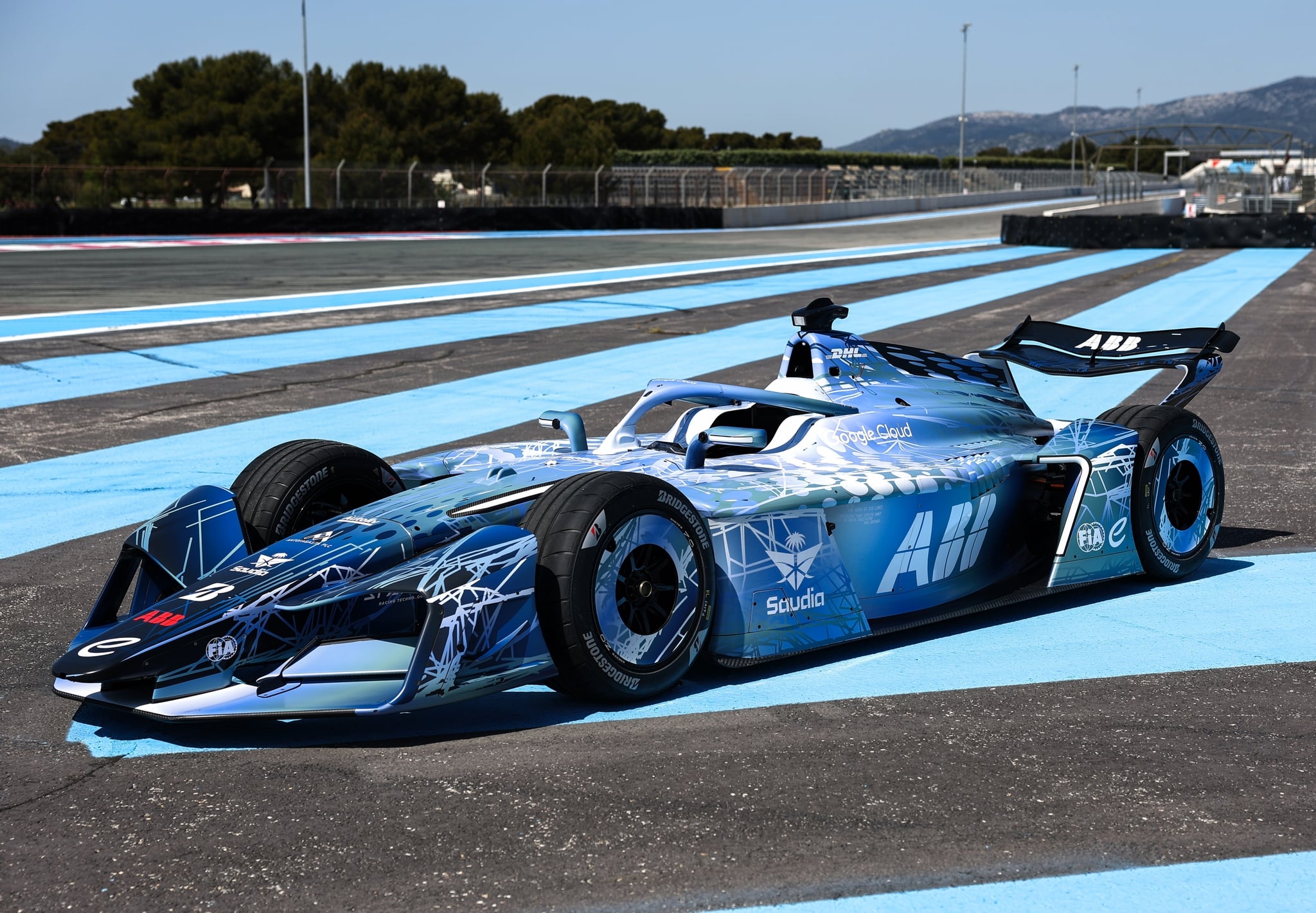
Unveiled publicly on the Circuit Paul Ricard at Le Castellet, the Gen4 prototype—showcased dynamically as the Opel GSE 27FE by manufacturer stablemate Opel with development driver Sophia Flörsch at the wheel—immediately alters the aerodynamic and performance parameters of the 100% electric series. Where previous iterations fought a narrative battle over top-end velocity and raw aggression, the Gen4 shifts the baseline entirely.
The Performance Architecture: Raw Numbers and Permanent AWD
The statistical leap from the Gen3 and Gen3 Evo era to Gen4 is vast. Series data and executive briefings outline a machine capable of producing:
- Peak Power: 804 horsepower (600 kW) during qualifying and Attack Mode sessions, representing roughly a 70% increase over its predecessor.
- Top Speed: Reaching up to 335 km/h, narrowing the traditional performance gap to modern Formula 1 machinery. Series co-founder Alberto Longo noted that the car is faster than Formula 2, placing it firmly within striking distance of the pinnacle of single-seater racing.
- Acceleration: 0 to 100 km/h in approximately 1.8 seconds, and 0 to 200 km/h in 4.4 seconds—shaving 1.5 seconds off the previous generation's mark.
- Lap Time Deltas: Expected to be an average of 10 seconds faster per lap in qualifying trim, and at least 5 seconds faster on tight street circuits.
Crucially, this generation introduces permanent four-wheel drive (AWD) for the first time in Formula E history, paired with a massive surge in energy recovery capabilities reaching up to 700 kW. Championship CEO Jeff Dodds categorized the machine as not just a car, but an ambitious statement of intent
that achieves performance levels considered impossible for electric vehicles just five years prior.

Engineering Trade-Offs: Mass, Ergonomics, and Reliability
Every quantum leap in power and traction demands mechanical compromises. The integration of permanent all-wheel drive, wider cockpit architecture to accommodate power steering, and enhanced driver safety structures drives the car's weight upward. The base vehicle mass shifts from 863 kg in the prior generation to 950 kg (or 954 kg without driver, depending on configuration metrics).
This added mass places a premium on thermal management, regenerative efficiency, and tyre durability. Bridgestone steps in as the official tyre supplier, building compounds designed to handle higher loads alongside dedicated full wet weather tyres, phasing out intermediate compromises. Stellantis, alongside rival manufacturers Porsche, Jaguar, Nissan, Lola Cars, and Mahindra, faces an intensive test cycle across European circuits to harness this heavier, more complex powertrain before the season kicks off following the conclusion of the Gen3 era in London.
Sustainability Meets High Performance
Beyond raw timing screens, the championship's regulatory identity remains anchored in environmental targets. The Gen4 framework is engineered to be the world's first 100% recyclable race car, featuring at least 20% recycled materials in its core structural components. Furthermore, its batteries operate entirely free of rare-earth minerals, while the Bridgestone rubber relies on 65% natural and recycled materials, including 30% natural rubber.
Forward Implications for the Grid
With manufacturer test benches running hot and drivers like Flörsch exploring the limits in simulator and track sessions, the remaining months before the 2026–2027 calendar launch represent a crucial development window. Teams must transition from understanding basic deployment curves to mastering high-speed energy management with a 50% increase in race power. If the early laps at Paul Ricard are any indication, the Gen4 era will test driver adaptability as fiercely as it rewards engineering foresight.
Sources
These sources formed the evidence pack for this article. Links open the original publisher; inclusion does not imply endorsement.
- ouest-france.fr original
- media.stellantis.com original
- fr.motorsport.com original
- Guillaume Alvarez original
- lemagsportauto.ouest-france.fr original