When professional golf history records the tumultuous 2026 season, the chapter on Sergio Garcia will likely read less like a graceful final act and more like a high-velocity collision between old fire and institutional reality. At forty-six years old, the Fireballs GC captain remains a deeply polarizing fixture. To his defenders, he is an unrelenting competitor whose passion for team golf and historic resume—including his 2017 Green Jacket and an all-time Ryder Cup record of 28.5 points—still command respect. To his critics, his unraveling at Augusta National and the broader structural freefall of LIV Golf present a cautionary tale of a sport fractured by speculative billions.
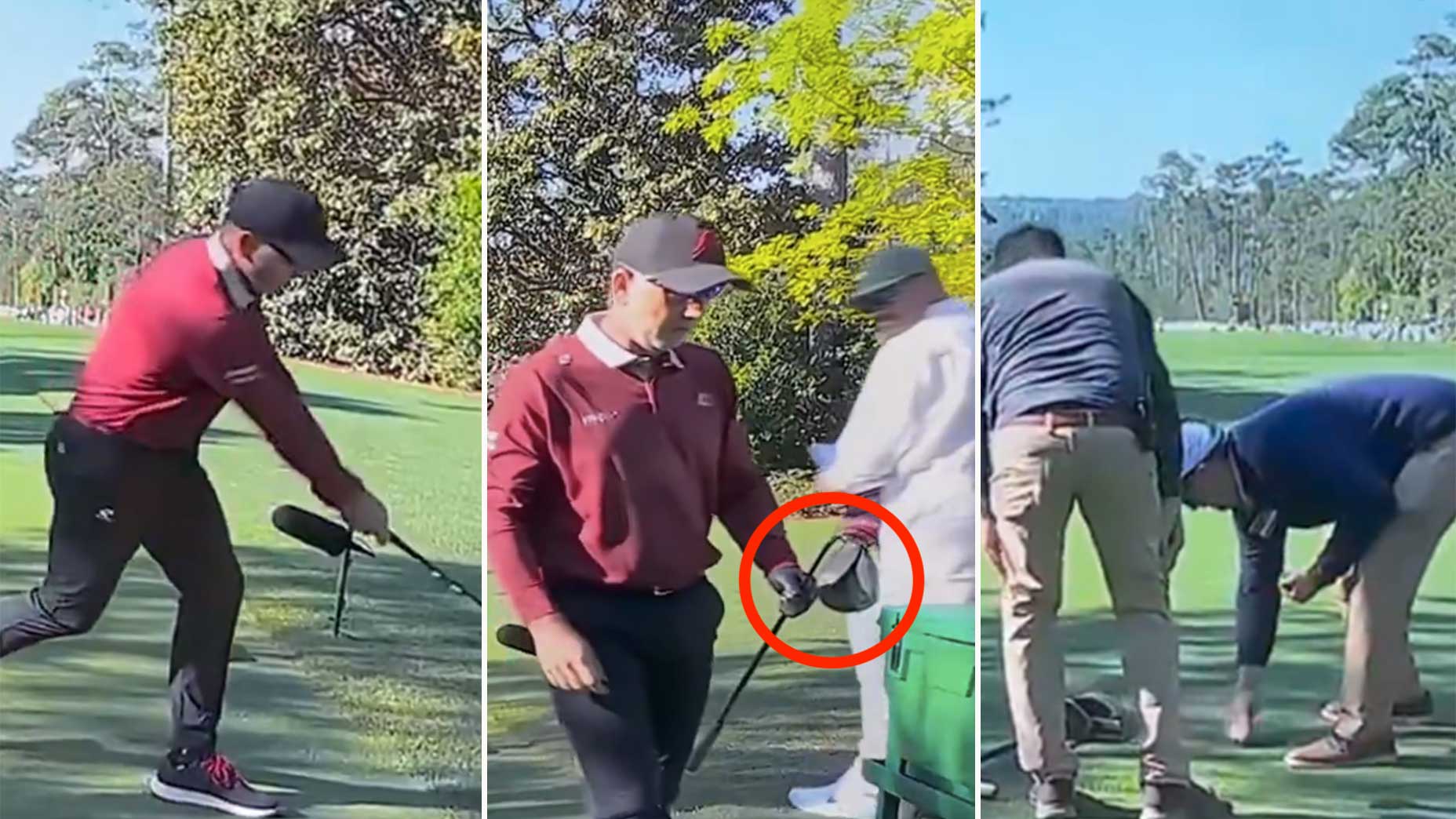
To defend Garcia in 2026 requires an acknowledgement of context. The Spaniard has never pretended to be an impassive corporate ambassador. His entire career has been fueled by a raw, combustible intensity that once saw him sprint down a fairway after a miraculous recovery shot against Tiger Woods in 1999. Yet that same intensity boiled over during the final round of the 2026 Masters. Opening with rounds of 72, 75, and 74, Garcia bogeyed the first hole and drove into a fairway bunker on the second. Furious, he took two heavy swipes at the ground, damaging the tee box, smashed his driver against the bottom of a water cooler until the shaft snapped, and inexplicably carried his playing partner Jon Rahm's bag down the fairway. The outburst earned him a code of conduct warning from competition committee chairman Geoff Yang on the fourth hole.
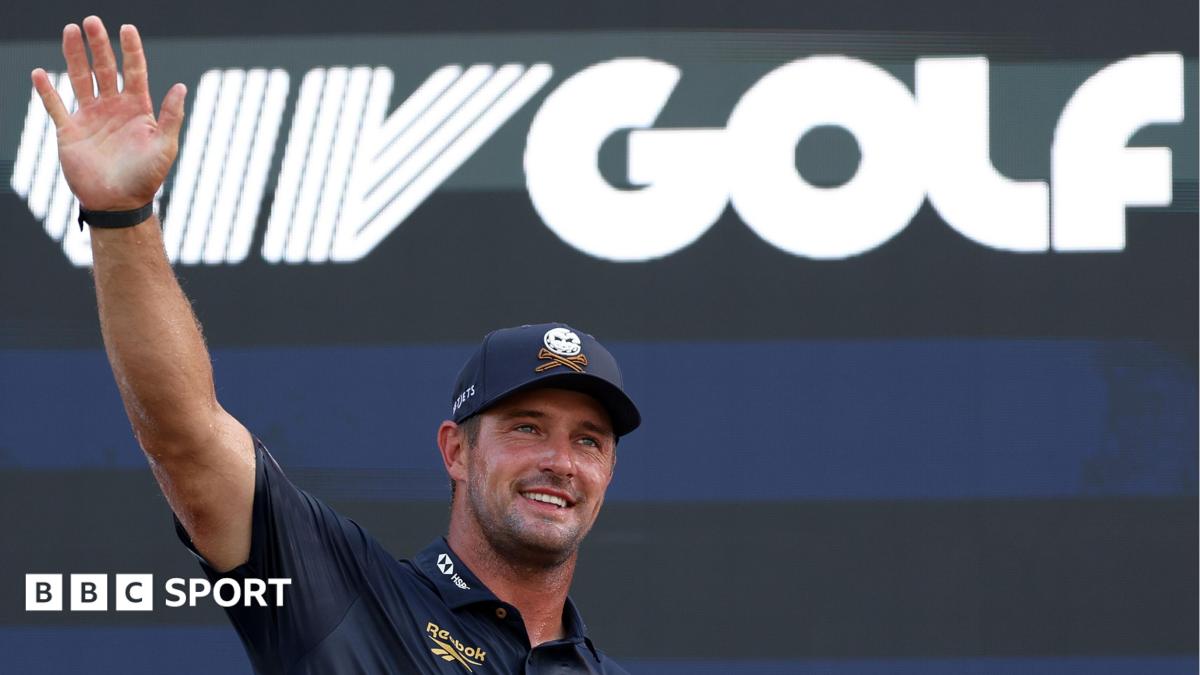
It was an extraordinary scene, but it occurred against a backdrop of profound existential dread for every player locked into the LIV ecosystem. As BBC Sport reported from the league's abortive season finale at Chatham Hills Golf Institute in Indianapolis, LIV Golf arrived at a financial and operational crossroads after its Saudi backers pulled funding following losses exceeding $5 billion. While league CEO Scott O'Neil championed the dream of "LIV 2.0" backed by incoming credit investor Ted Goldthorpe of BC Partners, the mood among the 57 players on property was distinctly subdued. Players faced reduced prize money, canceled events in Michigan, and agonizing decisions about whether to trust promises of equity and restored Name, Image, and Likeness commercial rights.
For Garcia, whose individual form has seen him secure just one top-10 finish across five LIV starts while missing the cut in six of his seven Masters appearances since his 2017 triumph, the stakes are deeply personal. When asked about his future during the Indianapolis summit, Garcia offered a characteristically blunt assessment, calling the closed-door player meeting "productive" before walking away from further inquiries with a terse we'll see
(Sergio Garcia).
The Anatomy of a Disappearing Subsidized Era
To understand Garcia's place in the modern landscape, one must separate the romanticism of Fireballs GC team camaraderie from the hard ledger of professional golf economics. LIV's leadership has leaned heavily on attendance figures—such as a reported 115,000 fans in Adelaide—to prove commercial viability. Yet behind the scenes, vendors have filed lawsuits over unpaid invoices, and the league has pivoted toward a leaner model featuring a reduced 10-event schedule across five continents designed to maximize player readiness for the majors.

Unlike younger defectors who retain flexible return paths or established leverage, veterans like Garcia and 2010 U.S. Open champion Graeme McDowell face stark choices. As McDowell noted to BBC Sport, players are confronting 57 different mindsets based on whether they hold remaining exemptions on traditional circuits or face a landscape where LIV folds entirely. Garcia's loyalty to the team format is genuine—he frequently emphasizes the joy of practicing and playing alongside his Fireballs teammates—but that affection must now coexist with the reality of pre-packaged insolvency options, unpaid contract obligations, and a PGA Tour plotting a two-track Championship and Challenger system.
Ultimately, defending Sergio Garcia does not mean excusing a snapped driver or a mutilated tee box at Augusta. It means recognizing that his enduring fire is the exact same trait that made him a major champion and a Ryder Cup legend. Whether that fire can warm a restructured, financially disciplined LIV 2.0 remains one of professional golf's most compelling unanswered questions.
Sources
These sources formed the evidence pack for this article. Links open the original publisher; inclusion does not imply endorsement.
- bbc.co.uk original
- livgolf.com original
- mirror.co.uk original
- golf.com original