The arrival of Formula 1's sweeping 2026 technical regulations has reframed every strategic calculation in the paddock, altering not only how cars handle power units, aerodynamics, and energy management, but also who drives them. Amid shifting team hierarchies and ongoing speculation regarding driver movement, former Haas team principal Guenther Steiner has offered a sharp perspective on how the new era is shaking out—both in terms of driver adaptability and the cold economic realities of the marquee transfer market.
Speaking on the Drive to Wynn podcast, Steiner pointed to a distinct generational divide in how drivers cope with the radically different machinery introduced for 2026. According to the veteran team boss, the technical reset heavily rewards younger drivers who do not carry years of muscle memory tied to previous generations of ground-effect or hybrid cars.
Pro mě je klíčové, jak se s tím mladí jezdci vypořádali. Vidíte, že všichni mladí jezdci se s tím adaptovali lépe než zkušení piloti,
Steiner noted, as reported by f1news.cz, emphasizing that younger competitors approach modern vehicle systems and complex electronics more naturally Guenther Steiner.
Steiner drew a direct contrast between rising talents unburdened by legacy habits and established race winners forced into unlearning ingrained reflexes. Using championship leader Kimi Antonelli and Mercedes teammate George Russell as case studies, Steiner highlighted the hidden friction of experience:
- Kimi Antonelli: Benefits from entering the top tier without a long history of driving older technical concepts, allowing a seamless transition to the 2026 machinery.
- George Russell: Must actively work to suppress long-standing driving patterns formed over extensive campaigns in preceding generations of cars.
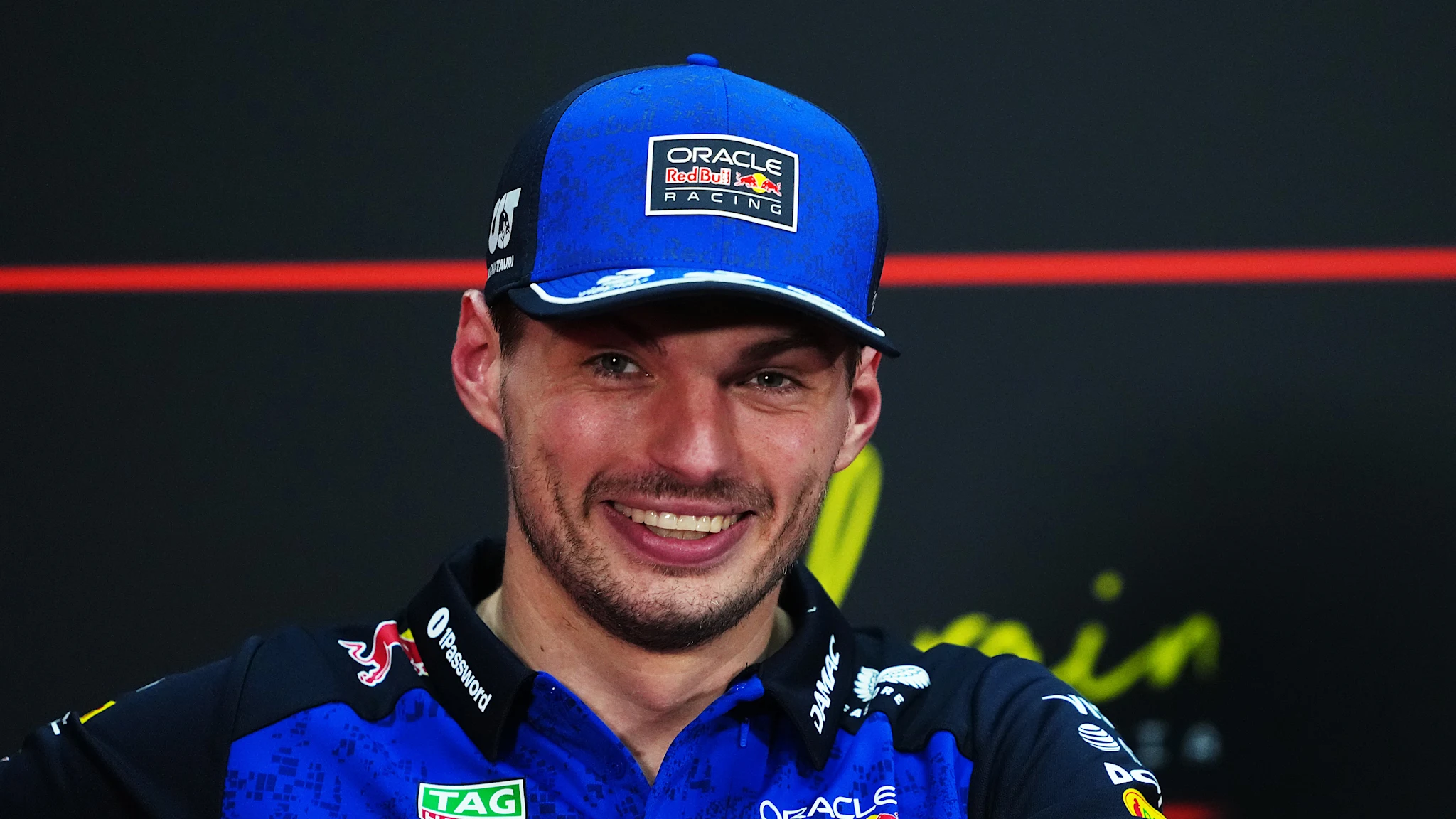
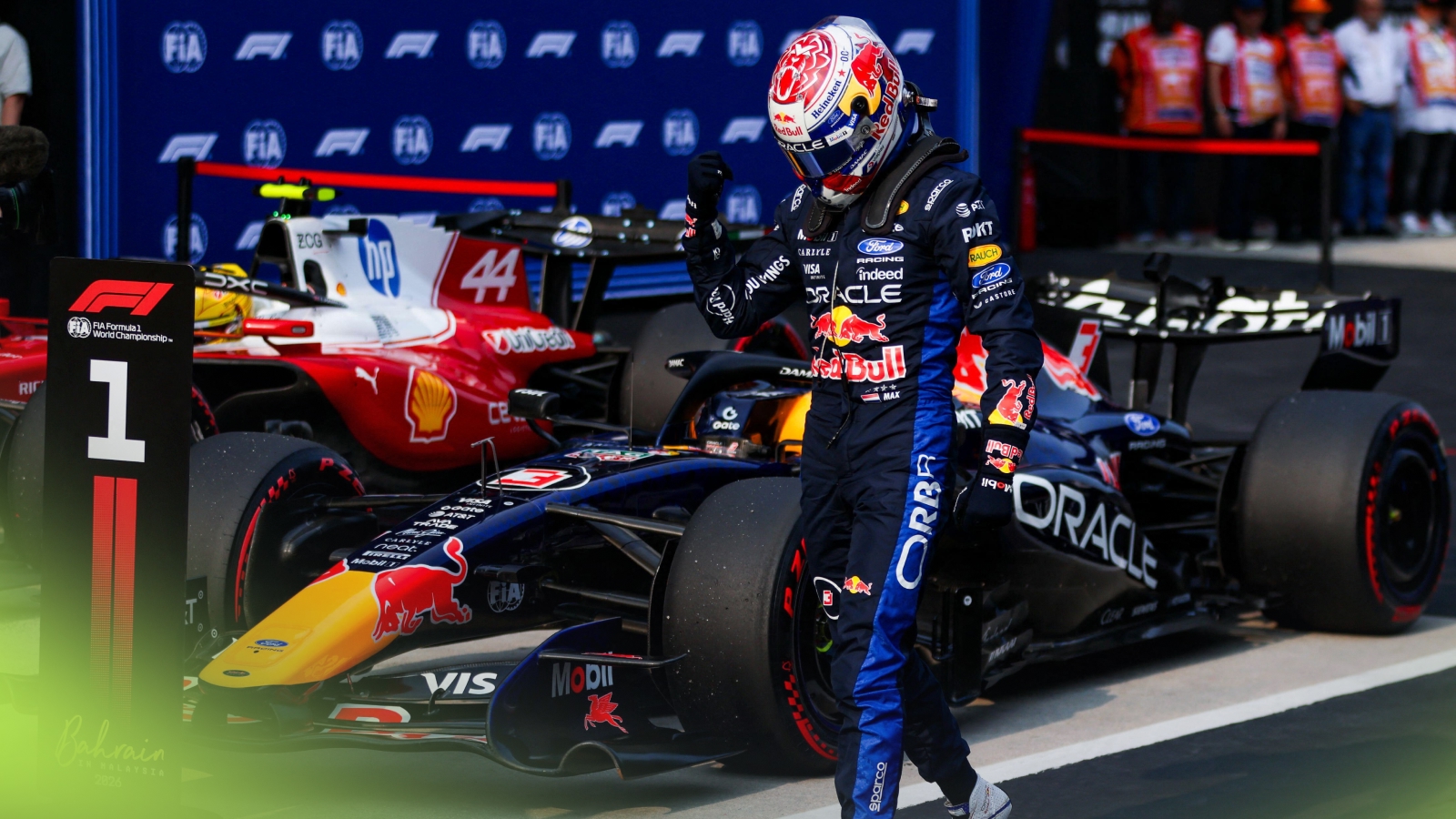
- Max Verstappen: Faces his own complex web of competitive frustrations at Red Bull—underscored by public reliability concerns regarding the RB22 package—while navigating a long-term contract that runs through 2030.
That friction extends directly into the volatile driver market, where Verstappen's name has perpetually surfaced in connection with rival outfits like Mercedes. However, speaking separately on The Red Flags Podcast (as highlighted by news.gp), Steiner dismissed the viability of a high-profile switch to Brackley, pointing out that team principal Toto Wolff holds zero incentive to upend his current roster Guenther Steiner.

Why would Mercedes take him? Mercedes has got the next superstar and a very good driver in George,
Steiner argued, noting that introducing a high-earning four-time world champion would carry an astronomical financial footprint while potentially stunting Antonelli’s trajectory Guenther Steiner. Steiner added: So why would you spend more money to get Max in? The only way Max would come in is if George leaves. He costs a lot more than George and would maybe unsettle Kimi. Why would he do that? And Toto is too smart to do that, in my opinion, and it costs a lot more.
As the 2026 season unfolds—marked by mid-grid shuffles, Honda's updated power unit specifications for Aston Martin, and driver line-up adjustments across Williams, Audi, and the Red Bull stable—Steiner's analysis cuts through the paddock noise. In the new regulatory landscape, success belongs not just to the teams that build the fastest baseline chassis, but to the organizations wise enough to bet on adaptability over legacy pedigree.
Sources
These sources formed the evidence pack for this article. Links open the original publisher; inclusion does not imply endorsement.
- f1news.cz original
- megaknihy.cz original
- news.gp original