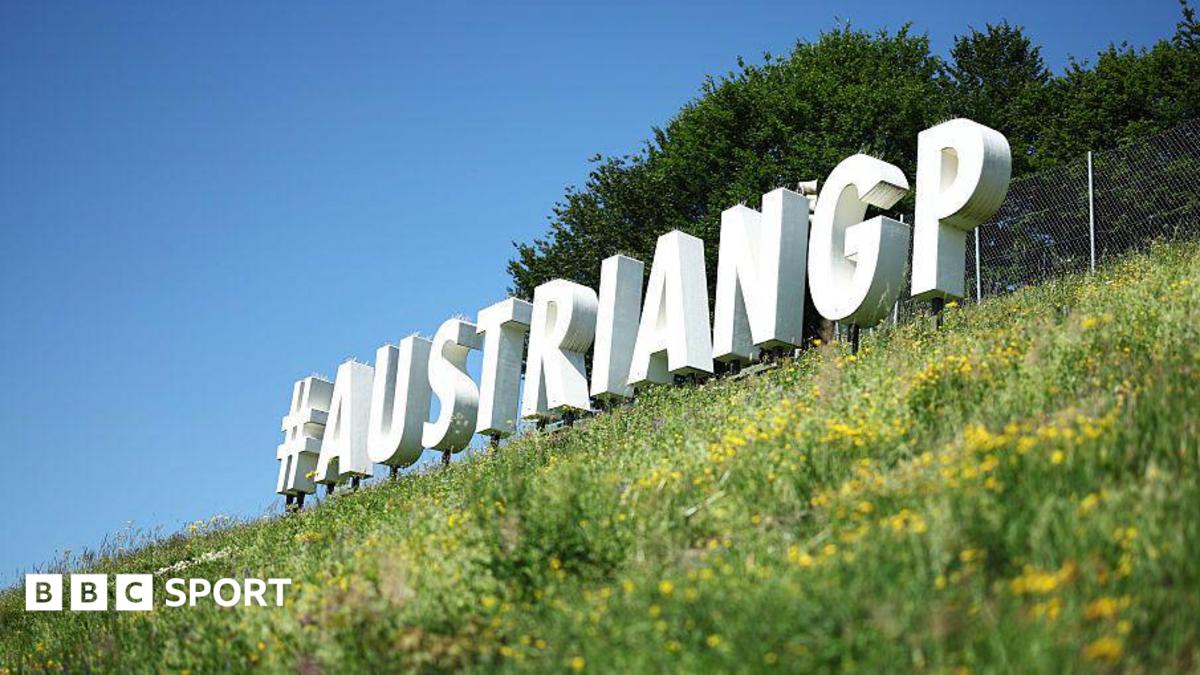
Forecasts predicting trackside temperatures above 31°C at the Red Bull Ring have prompted Race Director Rui Marques and Formula 1's governing body to officially issue a Heat Hazard declaration for the Austrian Grand Prix. As the eighth round of the 2026 World Championship, Spielberg becomes the first event on this year's calendar to trigger the extreme weather protocol, arriving amid a continental heatwave that has established record temperatures across Europe, including the UK.
The ruling sets up an immediate technical choice for competitors across the paddock: teams can equip drivers with a liquid-cooling kit beneath fireproof overalls, or they must fit a 5kg deadweight ballast to the car to preserve complete weight parity across the grid.
Spielberg Thermal Threshold Triggers 2026 Season First
The FIA's Heat Hazard framework was introduced to the regulations following extreme conditions at the 2023 Qatar Grand Prix, where several competitors suffered acute heat stress. The protocol officially entered the rulebook in 2025 and saw its first operational deployments at the Singapore and United States Grands Prix last October.
Under the regulation, official weather service predictions above 31°C during any active track session initiate the designation. Saturday's final practice and qualifying sessions in Spielberg are projected to reach 32°C, with even hotter weather anticipated for Sunday's race.
| Parameter / Metric | Regulation Specification | Context & Driver Impact |
|---|---|---|
| Heat Hazard Trigger | Ambient forecast exceeding 31°C | 32°C forecast Sat; higher expected Sun |
| Cooling Top Kit | Liquid-glycol network under overalls | Optional equipment to regulate body temp |
| Ballast Mandate | 5kg fixed car ballast | Applied if cooling top is not worn |
| Championship Leader | Kimi Antonelli (Mercedes) | 41-point lead; 5 victories in 7 rounds |
| Chasing Competitors | Lewis Hamilton & George Russell | Hamilton leads Russell by 9 points |
Technical Ballast and Cockpit Ergonomics in 32°C Heat
Cockpit environments in modern Formula 1 machinery regularly exceed 40°C during competitive sessions. When drivers combine those ambient cabin conditions with multiple layers of fireproof garments, a balaclava, and a protective helmet, thermal strain accumulates rapidly over extended stints. The optional cooling system circulates chilled liquid, such as glycol, through flexible micro-pipes woven into a specialized fireproof top worn under the driving suit.
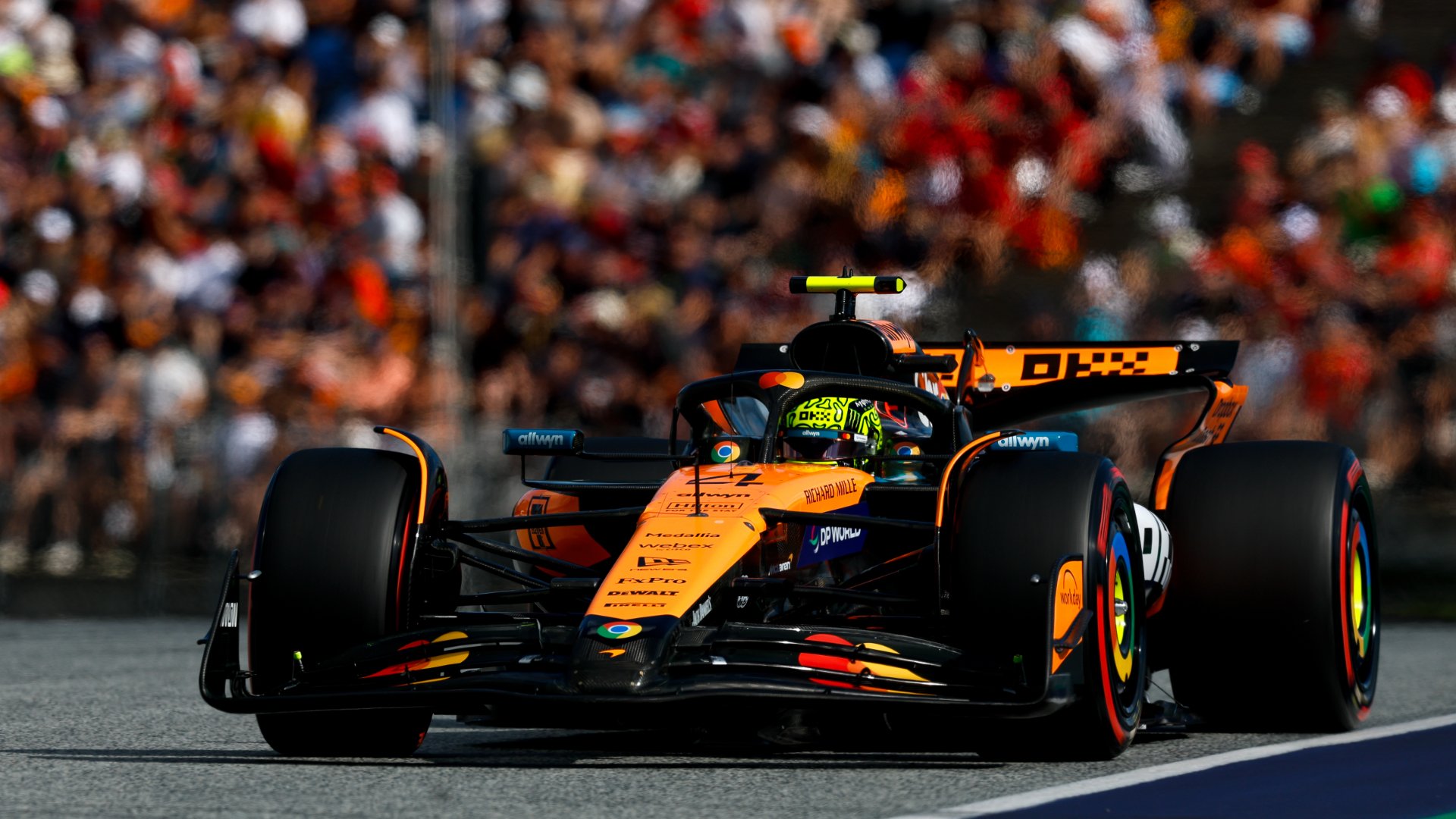
While the FIA initially intended to make driver cooling mandatory under heat hazard conditions, driver feedback regarding comfort and practicality led officials to retain the system as optional for 2026. To ensure that drivers who elect not to wear the apparatus do not gain a weight-saving performance advantage, cars running without the cooling equipment must carry 5kg of additional ballast to equalize minimum car mass.
However, running the cooling top carries distinct operational risks. If the system suffers a general failure or if the coolant runs out before the race concludes, the stagnant liquid warms to cockpit temperature—leaving the driver wrapped in garments noticeably hotter than ambient air.
Hadjar and Piastri Highlight Paddock Divide Over Cooling Vests
Opinions across the driver lineup remain divided, exposing contrasting preferences regarding physical comfort and reliability risk.
Red Bull's Isack Hadjar voiced strong skepticism about the apparatus, citing physical discomfort and limited effective duration:
blockquote>I really don't like it - too many tubes, too many things in the cockpit. It works really well for, like, 10 minutes and then it's warm again. I have never been to a point where I really needed the vest.
In contrast, McLaren's Oscar Piastri confirmed he expects to use the apparatus in Spielberg, balancing the risk of system failure against potential thermal relief during long runs:

I used it a couple of times last year. There is the risk that if it fails, it's worse than not wearing it, but if you get the system working well it can help a bit. It's not a complete game changer but it is personal preference. If you can get it to work and it cools you down a little bit, you might as well.
Title Race Pressure Moves to Red Bull Ring Stints
The thermal test at Spielberg arrives at a pivotal juncture in the 2026 World Championship. Mercedes' 19-year-old rookie Kimi Antonelli holds a 41-point lead in the standings on the back of five victories from the opening seven races.
Even so, Ferrari's Lewis Hamilton trimmed that advantage at Barcelona last time out, capturing his first victory since joining the Italian squad following a challenging debut season in 2025.
blockquote>My fans really saved me through such a difficult moment last year. Every day, I had this dream as a kid. I remember watching the red car and wondering what it’d be like to win in that car. There’s nothing like it, absolutely incredible. I came from quite a low place – it’s about never giving up on yourself, keep on trying.
Hamilton now holds a nine-point advantage over fellow Brit George Russell, with both drivers holding one race victory this season. With Austria serving as Round 8, the calendar moves swiftly toward the British Grand Prix on the first weekend in July, followed by rounds in Belgium and Hungary ahead of the summer break.
Evidence-Led Forecast: Spielberg Heat Strategy
Expected Tactical Pattern: Driver preference and heat sensitivity will dictate split approaches across the grid. Competitors seeking to reduce physical fatigue will wear the liquid-glycol top to manage thermal degradation over consecutive stints. Meanwhile, drivers focused on cockpit mobility or wary of coolant depletion will accept the 5kg ballast penalty, taking a fixed weight baseline instead of active liquid regulation.
Decisive Matchup: Kimi Antonelli's pace management versus Lewis Hamilton's stint execution under heat stress. If Sunday's race reaches peak predicted temperatures, physical endurance and tire degradation through Spielberg's traction sectors will dictate late-stint overtaking opportunities.
Strongest Counter-Case & Read Alterations: A sudden drop in ambient temperature below 31°C before session start would dissolve the Heat Hazard mandate, removing the compulsory 5kg ballast requirement. Conversely, an early coolant failure on a vest-equipped car would trap heat against the driver's body, drastically increasing physical fatigue and impacting lap time consistency over the closing laps.
Sources
These sources formed the evidence pack for this article. Links open the original publisher; inclusion does not imply endorsement.
- bbc.com original
- independent.co.uk original
- news.gp original