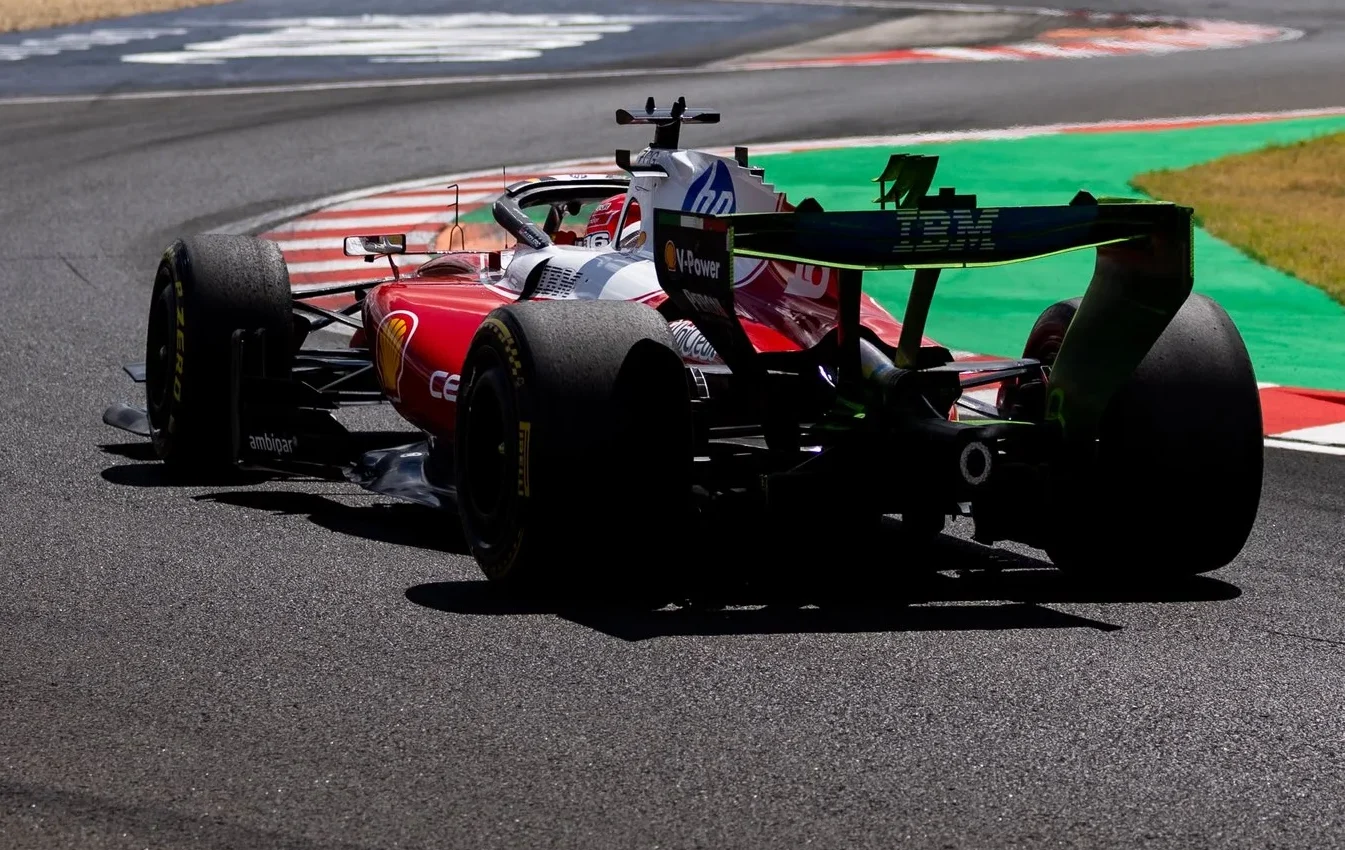
Formula 1’s return to the Sepang International Circuit for the sixteenth round of the World Championship—serving as the reallocated Bahrain Grand Prix on this year's calendar—places Scuderia Ferrari at a demanding operational junction. Coming off the opening leg of an extra-European triple-header in Baku and preceding a quick transition to Singapore, Maranello enters Malaysia seeking to halt a five-race podium drought that has seen them slip out of championship contention. Against a backdrop of media speculation regarding Team Principal Fred Vasseur’s future, the Scuderia brings technical novelties to the SF-26 in an attempt to stabilize late-season performance.
However, Vasseur has publicly dampened expectations that raw mechanical pace alone will resolve Ferrari’s recent slide. In an era defined by razor-thin margins among the top teams, the Frenchman emphasized that operational perfection across variable weather and extreme environmental conditions will decide the outcome.
Thermal Demands and Grid Experience Gaps
Designed by Hermann Tilke and debuted on the Formula 1 calendar in 1999, the 5.543-kilometer Sepang layout subjects modern machinery to severe mechanical and aerodynamic strains over 56 race laps. The track's 15 corners and two long, opposing straights force teams into high-downforce setups while subjecting tires to severe thermal degradation in the scorching ambient heat.
Adding to the operational challenge is a significant driver experience gap across the 20-car grid. Absent from the World Championship calendar since 2017, only ten active drivers have ever contested a Formula 1 Grand Prix at Sepang. Among those lacking full race experience on the track is Ferrari's Charles Leclerc, whose sole track time at the venue consists of a single Free Practice 1 session for Sauber back in 2017. Conversely, previous Sepang winners active on the grid include Lewis Hamilton, who took victory in 2014, and Max Verstappen, who claimed the win during F1's last visit in 2017.
IT Infrastructure Under Heat Stress
The operational hurdle of returning to Malaysia extends far beyond driver familiarity and setup balance. The decade-long absence since 2017 has coincided with a massive transformation in telemetry, data processing, and artificial intelligence integration inside the pit garage.

Paolo Castellani, ICT Track Engineer for Scuderia Ferrari HP, detailed the extensive preparation required to maintain stable technological systems in Sepang's punishing climate:
— Paolo Castellani, ICT Track Engineer, Scuderia Ferrari HP
Quasi dieci anni di assenza sono un periodo molto lungo in un settore che ha vissuto una crescita tecnologica continua, resa ancora più rapida dall’avvento dell’intelligenza artificiale e dall’evoluzione dei sistemi a supporto della F1. La chiave resta un’accurata pianificazione nei mesi precedenti per garantire spazi adeguati, potenza elettrica e capacità di raffreddamento.
Castellani noted that along with Singapore, Sepang represents the most demanding climate challenge on the calendar for sensitive computing hardware due to high temperatures, intense humidity, and persistent rainfall risks from Friday through Sunday. Ferrari has implemented specialized cooling solutions and contingency procedures to prevent server thermal shutdowns in the garage, ensuring unbroken data flow between the track and Maranello.
Vasseur Focuses on Margin for Error
While the SF-26 features tailored technical updates for the Malaysian round, Vasseur has kept his focus squarely on execution, recognizing that subtle pace gains can quickly be undone by operational or strategic missteps under shifting tropical weather.
— Fred Vasseur, Scuderia Ferrari Team Principal
Quello di Sepang è un circuito che rappresenta una sfida molto diversa rispetto alle piste che abbiamo affrontato di recente. Lo sforzo cui vetture e piloti sono sottoposti è molto elevato e le condizioni atmosferiche variabili possono giocare un ruolo importante nel corso del weekend. Come abbiamo visto nelle ultime gare, il gruppo è molto compatto e la competitività da sola non basta: è fondamentale riuscire a mettere insieme ogni aspetto del fine settimana.
With margins between leading constructors remaining exceedingly tight, Ferrari's immediate objective centers on executing clean pit stops, session transitions, and tire strategy calls when rain threatens.
Evidence-Led Forecast: Sepang Operational Assessment
Likely Tactical Pattern: High thermal degradation and two prominent straights favor cars that can protect rear tires through high-energy cornering sequences without surrendering top speed. Teams will prioritize gathering wet-to-dry transition data early in Friday practice to prepare for sudden rain squalls during qualifying or the race.
Decisive Matchup: Ferrari's SF-26 technical updates and weekend execution against thermal tire wear and unpredictable weather. If Maranello's operational unit manages tire temperature windows effectively during session transitions, Leclerc can maximize the car's updates to battle at the front of the pack.
Strongest Counter-Case: Drivers with past Sepang race experience—such as former winners Verstappen and Hamilton—could exploit superior track knowledge during sudden rain transitions, placing drivers with minimal Sepang race history at a strategic disadvantage during high-pressure pit calls.

What Would Change the Read: Stable, dry weather conditions accompanied by lower-than-expected temperatures would reduce thermal stress on hardware and tires, turning the race into a straightforward downforce efficiency and pit-stop timing battle.
Sources
These sources formed the evidence pack for this article. Links open the original publisher; inclusion does not imply endorsement.
- autoracer.it original
- f1ingenerale.com original
- sportmediaset.mediaset.it original
- formulapassion.it original