The timing could not be sharper. As TMRW Sports prepares to launch the inaugural WTGL season this winter, women’s golf finds itself locked in a glaring paradox. On paper, female interest in the sport is exploding at a record pace. According to data from the National Golf Foundation, the United States has registered a massive 45 percent rise in female golfers since 2020. Across the Atlantic, England Golf recorded over 151,000 additional scores submitted by female players in 2025 alone—a 14 percent year-over-year jump that highlights a rapidly expanding community.
Yet, walk into the average traditional golf facility and that booming wave hits a wall. Rigid 18-hole expectations, mid-week competition calendars, and institutional elitism continue to turn away working women and beginners. WTGL’s arena-based, simulator team format isn't merely an entertainment venture; it is a direct market intervention against a traditional infrastructure that is failing to retain the modern game's newest participants.
The Participation Boom Meets the Green-Grass Wall
While newcomers are picking up clubs in unprecedented numbers, the bridge from initial interest to long-term club membership remains severely broken. Standard facility offerings often peak at six-week beginner academies, after which golfers are left with off-peak access and mid-week tournaments that conflict with professional schedules. Advanced PGA Professional Katie, named among Golf Monthly's Top 50 Coaches, faces this reality constantly when leading group lessons: Unfortunately, you can’t do it here. Why not pop down the road to the nine-hole course that does it really well, or stick to the par-3 course?
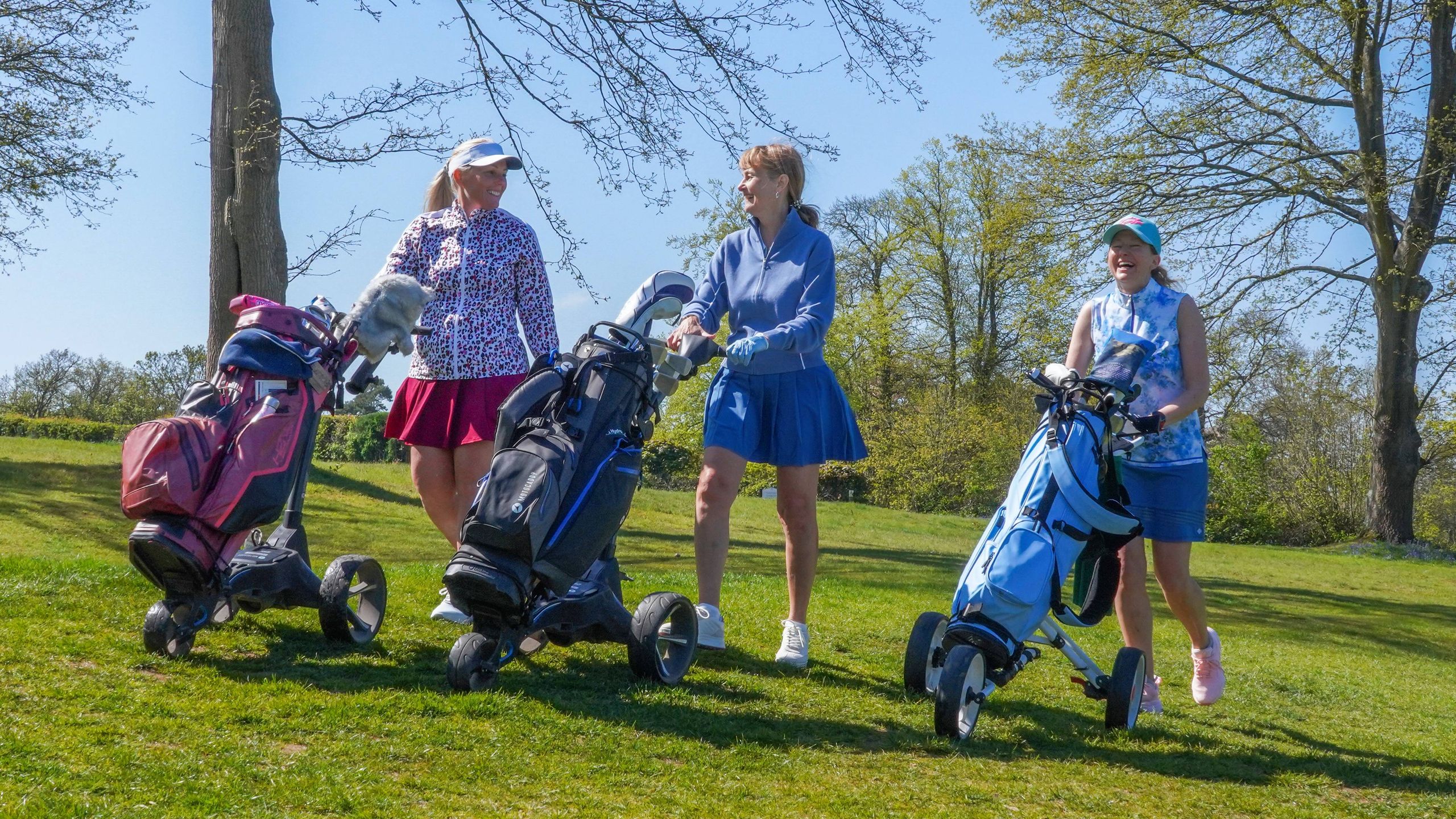
The cultural barrier is just as steep. Beginners frequently face skepticism from traditionalists unless they commit to four-plus hours for a full 18-hole round. This narrow mindset ignores fundamental economics: working women buy meals, host business events, organize gatherings, and manage family diaries that bring children into junior programs. As one frustrated golfer noted, traditional inertia creates hostility: The 'backbench' traditional men are bad enough, but I'm ashamed to note that the worst enemies of beginners at my club are often the existing women members themselves.
Where innovative facilities adapt, the structural payoff is clear:
- Bigbury Golf Club (Devon): Serving as a pilot for England Golf’s Women’s Growth Initiative, Bigbury created a two-year pathway starting with discounted post-1:00 PM play. 75 percent of beginners converted to Year 1 memberships, with Year 2 introducing structured social events, handicap support, and competition. Board member Jo Shorrocks attributes the success to Jo Shorrocks having
an open-minded Board, enthusiastic volunteers, and a progressive Pro who understands that women are a different, highly valuable proposition.
- Bishops Stortford Golf Club (Hertfordshire): Barbara Tucker established the Blue Course scheme in 2014, incorporating shorter tees, group coaching, and a buddy system. The majority of the club’s current ladies’ committee started through that exact program.
- Highpost Golf Club (Salisbury): Debbie Rock picked up the game through a Women Into Golf initiative and eventually became the first female Club Captain in the facility's 104-year history.
- Goodwood (West Sussex): Pairs a flexible credit system with its six-hole Copse par-3 course, enabling short-game mastery before transitioning to shortened tees on full courses.
- Operation 36: Directly combats the industry statistic showing 70 percent of beginners quit due to frustration. Golfers begin playing nine holes from 25 yards out, advancing markers only after shooting 36 or better. LPGA and PGA Coach Maggie Simons calls it
the backbone of my programming. It gives golfers a clear roadmap to improvement, no matter their goals.
Star Power and High-Tech Speed in the WTGL Blueprint
WTGL sidesteps traditional green-grass inertia by combining team competition, prime-time broadcast pacing, and elite capital. Following the August 31, 2026 roster reveal, five founding teams were finalized alongside the introduction of expansion franchise Motor City Golf Club.
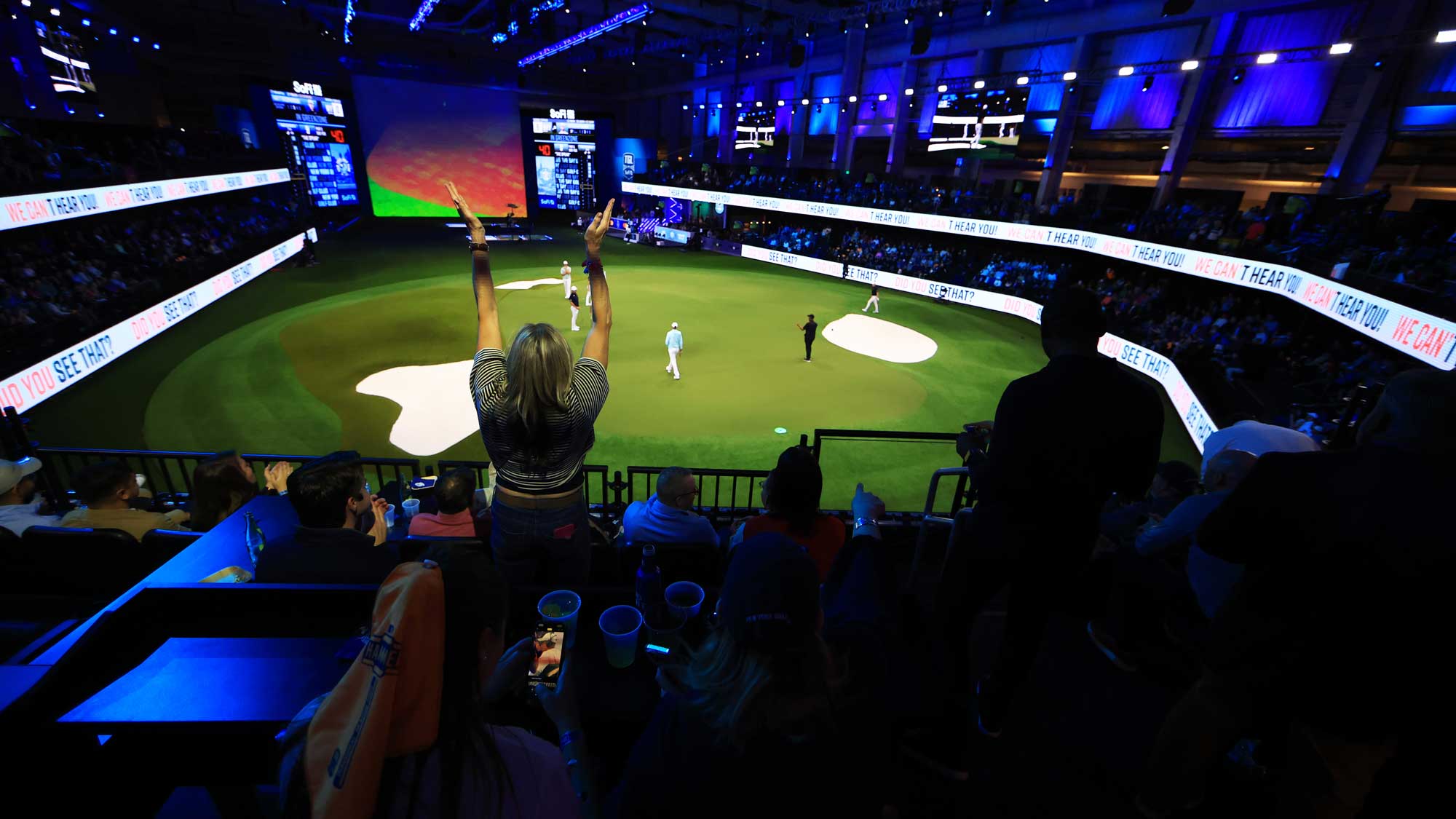
Consider Los Angeles Golf Club (LAGC), which operates across both TGL and WTGL. Founded by Seven Seven Six venture capitalist Alexis Ohanian and tennis icon Serena Williams, LAGC features an ownership room including Venus Williams, five-time LPGA winner and 2014 U.S. Women's Open champion Michelle Wie West, two-time World Cup winner Alex Morgan, LA Kings captain Anže Kopitar, and NBA champion Giannis Antetokounmpo alongside his brothers Thanasis, Kostas, and Alex. Alexis Olympia Ohanian Jr. even stands as the youngest two-team owner in professional sports.
With Michelle Wie West joining the WTGL player pool alongside active LPGA standouts, the league bridges top-tier professional competition with accessible presentation. Even with World No. 1 talent like Nelly Korda remaining absent from the initial roster release, the backing—complemented by LAGC’s 10 percent community give-back commitment—signals that WTGL is structured to reach an audience that green-grass clubs neglect: urban, time-conscious, and tech-savvy fans.
Strategic Forecast: How WTGL Will Shift Women's Golf Dominance
Sources
These sources formed the evidence pack for this article. Links open the original publisher; inclusion does not imply endorsement.
- golfmonthly.com original
- lagc.com original
- womensgolfdailynews.com original
- sbnation.com original