When the red flag flew on lap 108 of the Quaker State 400 at EchoPark Speedway, the momentum of the summer television slate came to an abrupt, soggy halt. Lightning within eight miles of the 1.54-mile oval forced NASCAR officials to clear the grandstands and park the field, triggering a 3-hour and 9-minute weather delay that pushed the resumption past midnight and hollowed out what was shaping up to be a premier ratings triumph for TNT Sports.
Before the skies opened up halfway through Stage 2, internal projections shared with the Sports Business Journal indicated the broadcast was tracking toward a robust 2.4 million viewers. Instead, the exhausted audience that weathered the blackout dwindled down to a final average of 1.5 million. It was a brutal operational trade-off for a Sunday night broadcast window designed to capitalize on weekend leisure time, only to run square into a torrential Georgia summer storm.
The Tactical Anatomy of a Midnight Thriller
Once racing resumed just before midnight, the track conditions underwent a complete mechanical transformation. Cooler asphalt temperatures brought back a surge of tire grip, allowing the Next Gen drafting dynamics to flourish and setting up a chaotic, multi-car scramble to the finish.
Ryan Blaney converted his pole position into a masterclass, leading 171 of 263 laps and sweeping both stages in his Team Penske Ford. Yet the stat sheet masks how fiercely contested the closing laps truly were. Christopher Bell secured his fifth runner-up finish of the season, while Carson Hocevar executed a brilliant recovery from an early flat tire to charge from 30th up to third. Meanwhile, Bubba Wallace mounted a stunning charge into the lead pack on the final lap, only to have a dramatic three-wide bid under the yellow line scrubbed by NASCAR officials who penalized him back to 29th for out-of-bounds passing.
Championship Shockwaves and the Blue Oval Resurgence
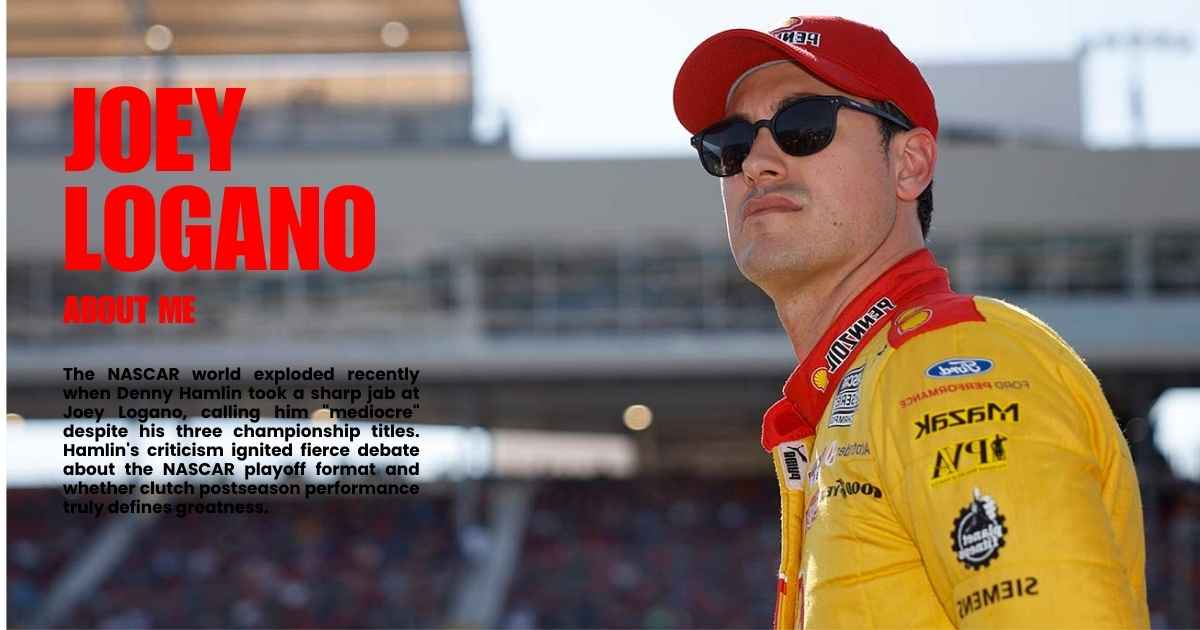
Blaney's maximum-points haul fundamentally alters the regular-season standings with only six races remaining before The Chase. The victory vaults him within 65 points of leader Denny Hamlin, while Tyler Reddick—who recovered from a 31st-place qualifying effort to run near the front early—trimmed his deficit to Hamlin to 24 points. For Ford and Team Penske, the win serves as a vital rallying point during a difficult manufacturer campaign, bolstered by Austin Cindric reinforcing his cushion above the cutline and Joey Logano clawing within eight points of the final transfer position.
Yet the broader scheduling debate persists across the garage. Summer night racing on Sundays maximizes prime-time potential when weather cooperates, but the vulnerability to storms and Monday-morning work curfews exposes a structural flaw. As analysts weigh alternatives—such as shifting dates or moving major summer events to Saturday nights on holiday weekends—Atlanta's chaotic return proved once again that the racing product on the track is as compelling as ever, even if the television audience paid the price for Mother Nature's timing.
Sources
These sources formed the evidence pack for this article. Links open the original publisher; inclusion does not imply endorsement.
- Michael Bellifemini original
- au.motorsport.com original
- CHARLES ODUM — AP Sports Writer original
- Matt Weaver Wed, July 15, 2026 at 1:19 AM UTC · 1 min read original