Football history is rarely written in straight lines. It moves through milestones, measured as much by the cold progression of tournament match counts as by the emotional fallout of 90 minutes on grass. As the tournament edges toward its thousandth fixture—anchored by historic markers like Tunisia and Japan meeting in Monterrey for match number 1,000—it is worth looking back at how structural hubris and spatial control shaped the sport's definitive championship matches.
The Spatial Trap of Hubris: The 1950 Maracanazo
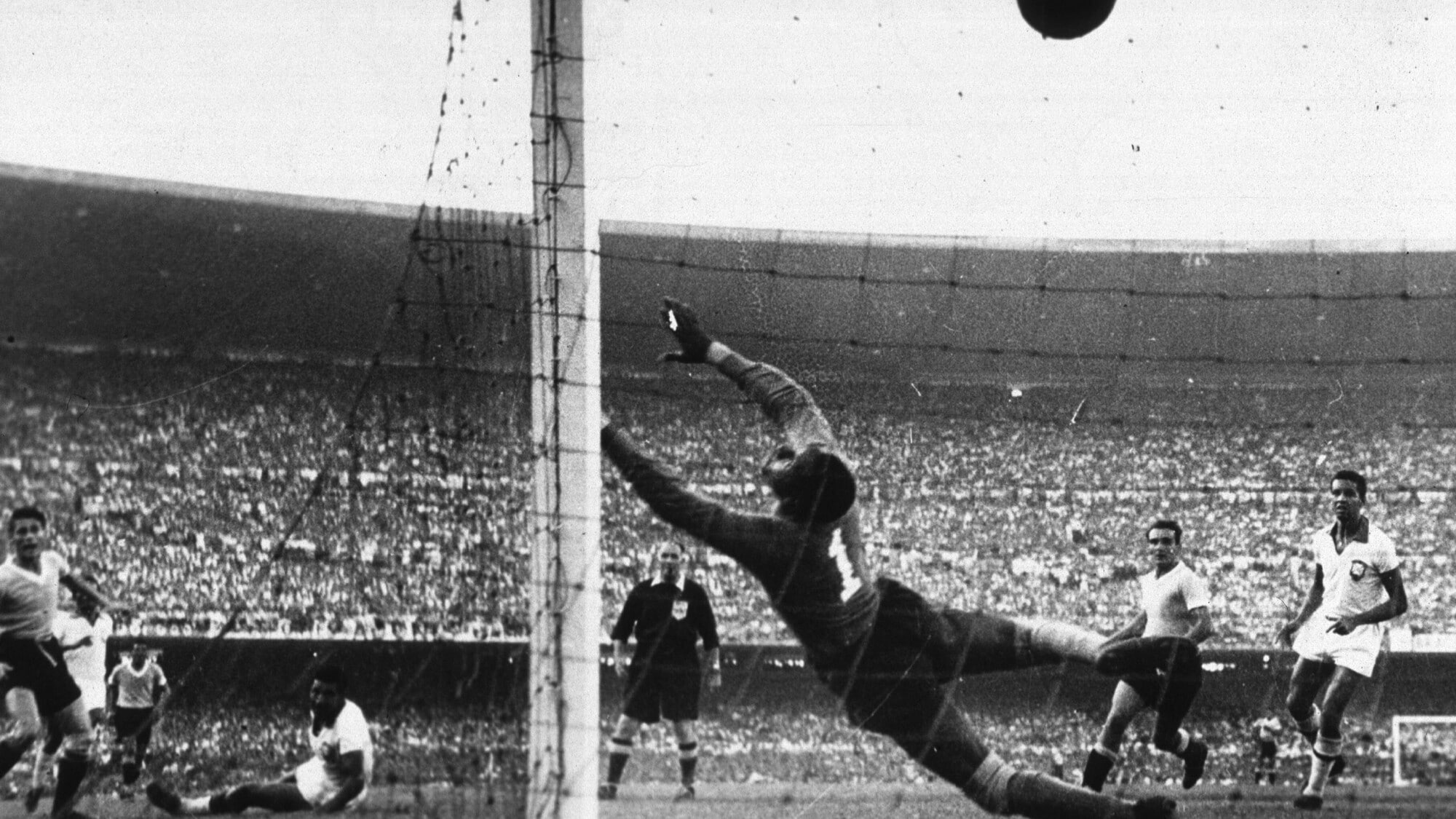
Few finals carry the heavy psychological architecture of the 1950 decider at Rio de Janeiro’s Maracanã stadium. Played before an estimated crowd of nearly 200,000 spectators, the final stage of that tournament did not use a traditional single-elimination bracket; it relied on a final group stage where Brazil needed only a draw against Uruguay to claim the Jules Rimet trophy.
The build-up was saturated in overconfidence. Streets in Rio were already alive with celebratory merchandise proclaiming Brasil campeão 1950, while the Seleção had steamrolled Sweden and Spain by margins of 7-1 and 6-1 respectively. Yet, structural execution triumphed over sheer offensive volume. Uruguay's coach Juan Lopez Fontana deployed a compact tactical block designed to absorb Brazil’s frantic offensive waves. After Friaça broke the deadlock for the hosts right after halftime, the tactical discipline held. Alcides Ghiggia’s movement down the flank unlocked the decisive sequences, culminating in the 66th-minute equalizer by Schiaffino and Ghiggia's acute-angle winner at the 79th minute past goalkeeper Moacyr Barbosa. The result stunned nearly 200,000 people into absolute silence, sealing a tactical masterclass in restraint over raw impulse.
Tactical Shifts and the Evolution of the Final Stage
Across the historical registry of FIFA World Cup finals, match dynamics have steadily shifted:
- Bern, 1954: West Germany overturned a 2-0 deficit against the heavily favored, undefeated Golden Team of Hungary after falling behind within the opening 8 minutes, leveling the score within 10 minutes before Rahn’s 84th-minute distance strike at the Wankdorf Stadium secured a 3-2 victory.
- London, 1966: Match number 200 in World Cup history culminated in England's extra-time 4-2 victory over West Germany at Wembley, immortalized by Geoff Hurst's historic hat-trick and the enduring debate over the crossbar bounce.
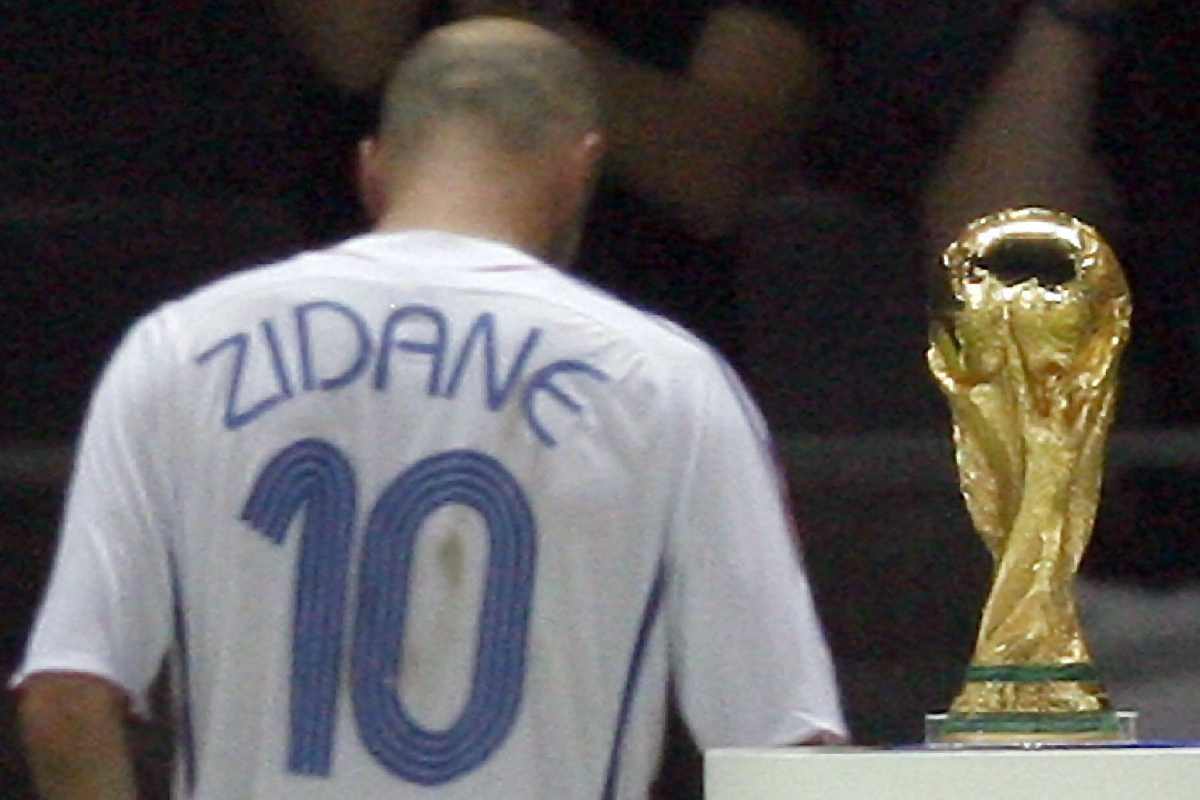
- Berlin, 2006: A tactical deadlock between Italy and France saw Zinedine Zidane open with a 7th-minute Panenka penalty before Marco Materazzi leveled with a header. The match ultimately pivoted on extra-time exhaustion and the infamous 100th-minute red card—seen in retrospective commentary as a precursor to modern video review protocols—before the Azzurri triumphed 5-3 on penalties.
Geographical Dominance and Structural Realities
When examining the macro-geography of these championship matches, the historical ledger reveals a stark division of power. Out of 22 completed tournaments prior to the 2026 expansion, every single final has been contested exclusively by European and South American federations. Brazil leads the historical ranking with five titles across seven final appearances (1958, 1962, 1970, 1994, 2002), followed closely by Germany and Italy with four crowns apiece. Teams like the Netherlands have reached three finals (1974, 1978, 2010) without lifting the trophy, while Hungary and Czechoslovakia each absorbed two defeats in the decisive match.
Understanding these past finals requires looking past the romanticism of the scoreline and examining the underlying chess match. Whether it is Uruguay dismantling Brazilian space in 1950 or the modern penalty-kick geometry that settled the 2022 epic between Argentina and France, the grandest matches are won where preparation meets spatial discipline.
Sources
These sources formed the evidence pack for this article. Links open the original publisher; inclusion does not imply endorsement.
- fifa.com original
- RSI Sport/Dabl original
- guerinsportivo.it original
- ilfattoquotidiano.it original
- Pasquale Luigi Pellicone original
- Sky Sport original