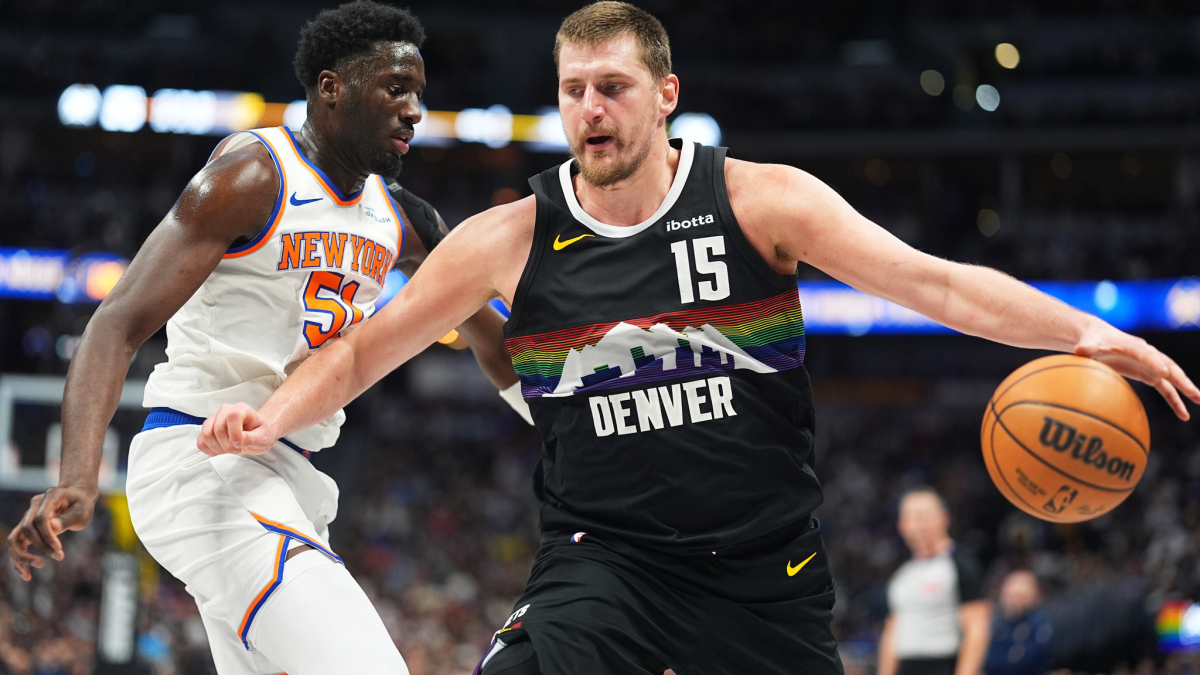
When the league's preeminent offensive engine looks into the future and admits relief that retirement will arrive before a younger rival reaches his absolute apex, basketball observers should take notice. Nikola Jokic, the face of the Denver Nuggets and a three-time MVP whose triple-double wizardry redefined how a modern offensive center operates, did not mince words when discussing San Antonio Spurs phenomenon Victor Wembanyama on the Serbian basketball podcast X&O's Chat, hosted by Edin Avdic.
He is changing basketball. He's a rim protector, he's shooting threes. He is unique,
Jokic detailed during the appearance, before adding a revealing punchline: I'm glad that I'll probably retire before Wemby holds the entire league in a chokehold.
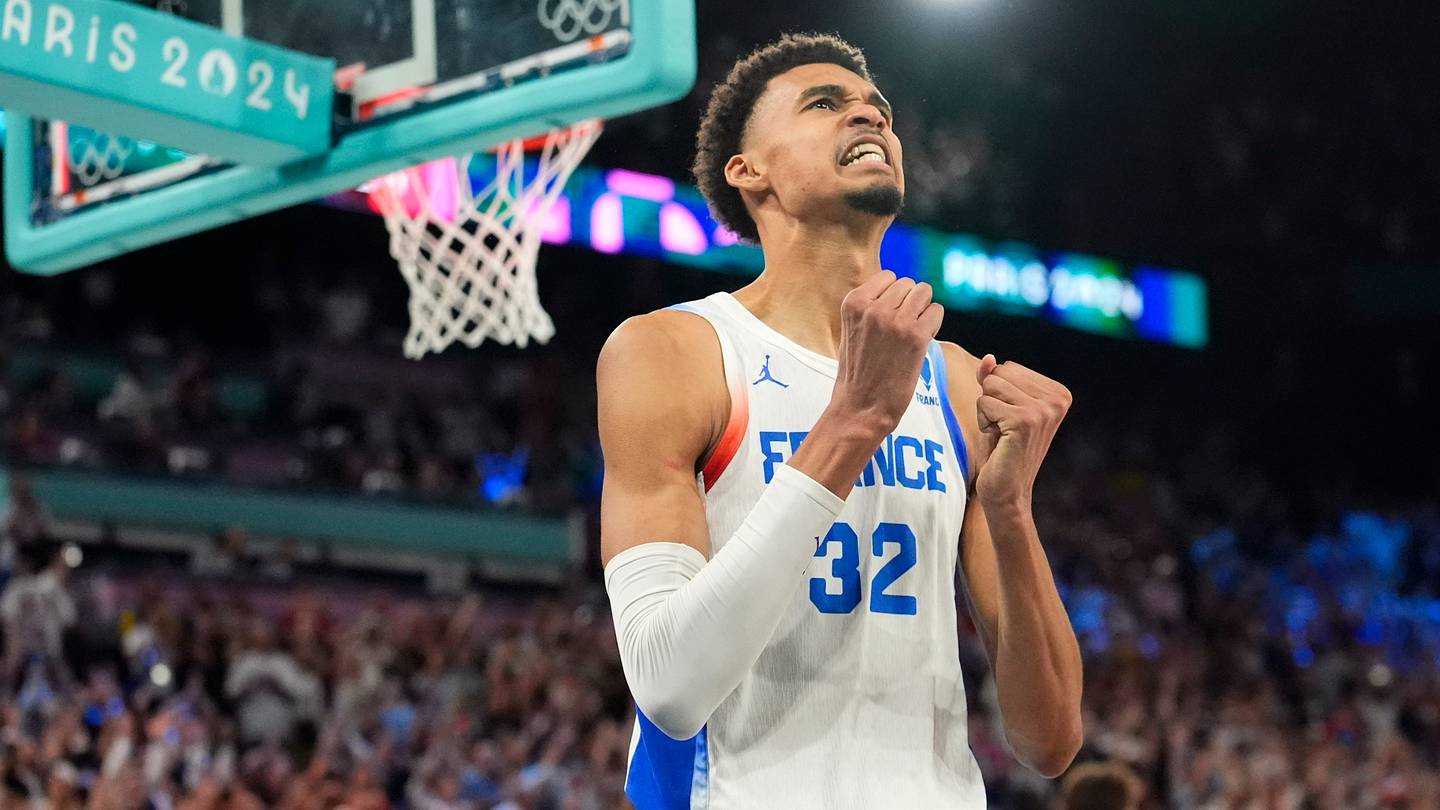
That mutual respect underscores a structural transformation across the NBA landscape. Now in his third season, the 7-foot-4 French star has evolved past the novelty of his otherworldly physical profile into a cold, efficient two-way reality. Wembanyama returned from earlier injury issues to average 23.9 points, 11.1 rebounds, 2.9 assists, and a league-leading 3.0 blocks per game while shooting over 50 percent from the field. That production propelled San Antonio into the upper tier of the Western Conference—anchoring a stellar 62-20 regular-season record, securing the Kia Defensive Player of the Year award, finishing third in MVP voting behind Shai Gilgeous-Alexander and Jokic himself, and capturing Western Conference Finals MVP honors as the Spurs marched to the 2026 NBA Finals.
The Two-Way Paradox of Modern Defensive Architecture
To understand why Jokic's assessment carries tactical weight, one must examine the geometric problems Wembanyama creates on both ends of the floor. Traditional center play relies on defensive drop coverage or interior muscle, but Wembanyama compresses the entire court geometry. His wingspan allows him to erase drives at the rim with the recovery speed of a perimeter guard, while his floor-spacing capabilities—stretching defenses out to the three-point line—fracture standard pick-and-roll coverages.

During the Spurs' high-stakes clash against the New York Knicks at Madison Square Garden, Wembanyama displayed the full spectrum of this game-warping capability. Guarded by a roaring, hostile playoff crowd, he delivered a 32-point, 8-rebound, 6-assist, and 3-block masterclass that broke New York's 13-game postseason winning streak. As Knicks superfan and filmmaker Spike Lee observed after securing a signed game-worn rookie jersey for his office, Wembanyama operates as a singular force:
Spike Lee“I love the fact that he played chess in Washington Square Park. Wemby is a 7-foot-4 man of the people.”
Yet, the awe inspired by his physical profile has distinct competitive limits. Opposing players and fanbases recognize that behind the highbrow literary habits—such as carrying sketchbooks to Gramercy Park or reading before games—lies a fierce competitor attempting to strip away championship aspirations. In that same Madison Square Garden matchup, physical tension boiled over when Wembanyama drove his forearm into the back of Jalen Brunson's neck, sending the Knicks' star point guard to the floor unpenalized by officials. Confronted afterward about his emerging villain status, Wembanyama offered a characteristic shrug: I guess. I'm nowhere near Trae Young level, though.
The Architectural Contrast: Jokic vs. Wembanyama
Comparing the reigning paradigm of center play to its prospective heir highlights two entirely different philosophies of hardwood dominance:
- Nikola Jokic: Operates as a terrestrial floor general. Utilizes supreme deceleration, elite court vision, and relentless passing angles to manipulate defenses from the elbows and the post.
- Victor Wembanyama: Operates as an extraterrestrial vertical anchor. Utilizes jaw-dropping length to deter entire offensive schemes at the rim while pulling opposing big men away from the paint with perimeter shooting.
While Jokic anchors the Denver Nuggets through metronomic offensive orchestration and expert positioning, Wembanyama relies on defensive range that alters opponent shot profiles the moment they cross halfcourt. The numbers bear out this evolution: Wembanyama's presence transformed the Spurs into a suffocating defensive unit, complementing their explosive transition pace.
Even off the court, Wembanyama’s single-minded devotion to the craft sets him apart from commercialized NBA norms. Eschewing standard star routines for training stints in rural China and refusing lucrative soda endorsements because he doesn't want to kill the kids,
his ethos aligns with the gritty purism that basketball junkies admire. As Colin Smith of the fan account Knicks Muse noted, He keeps it real. He’s really focused on one thing — it’s basketball.
As the league looks toward future brackets—cemented by Wembanyama gracing the standard edition cover of NBA 2K27 alongside WNBA star Caitlin Clark and legend Derrick Rose—the changing of the guard feels less theoretical by the month. Jokic remains at the absolute peak of his powers, steering Denver through grueling conference battles, but the horizon belongs to a 22-year-old alien who has forced even his greatest positional peers to acknowledge the inevitable.
Sources
These sources formed the evidence pack for this article. Links open the original publisher; inclusion does not imply endorsement.

