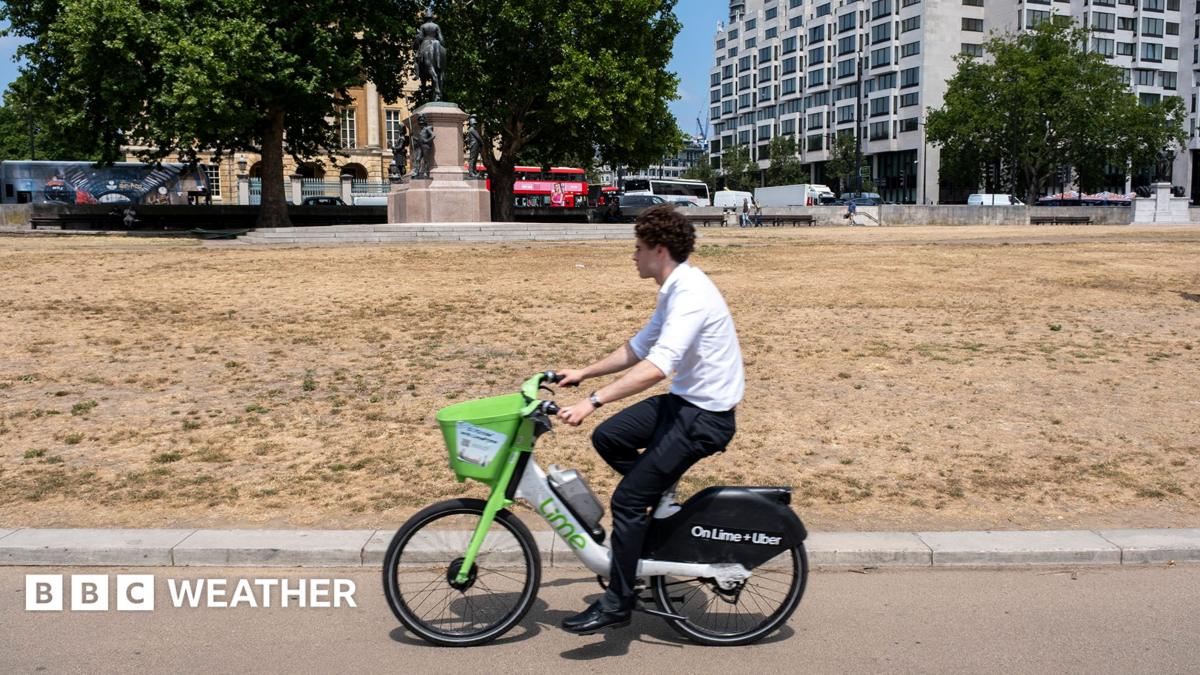
When the skies refuse to open up and regional watersheds drop to alarming lows, the pristine green corridors of a golf course quickly transform into a high-stakes management battleground. Across large swaths of southern, central, and eastern England, conditions have marched past standard summer heat into prolonged dry weather—the official threshold stage right before a drought is declared. For golf facilities, this meteorological reality triggers a cascade of operational challenges that stretch far beyond routine groundskeeping.
The Regulatory Squeeze and Water Security Realities
The National Drought Group—bringing together the Met Office, water companies, the National Farmers' Union, and expert bodies—has placed critical regions including East Anglia, the West Midlands, the Thames valley, and the South Downs under severe strain warnings. With public water demand surging by up to thirty percent on peak summer days and water companies enacting sweeping hosepipe bans affecting over twenty million people, golf facilities face immediate scrutiny over how they allocate resources.
Drought conditions rarely arrive overnight. Unlike sudden storm events, they build steadily over time, influenced by exceptionally low spring and summer rainfall, combined with soaring temperatures that rapidly evaporate moisture from the soil. Environment Agency data highlights that a vast majority of river catchments have dipped to below normal or exceptionally low levels, while national reservoir storage tracks significantly lower than long-term averages.
Operational and Turf Maintenance Trade-Offs
For course superintendents and club managers, maintaining turf health under strict water constraints demands absolute precision and proactive engineering. Key maintenance strategies include:

- Inspection and Drainage Care: Regularly inspecting and clearing drainage systems to prevent localized flooding when sudden, erratic summer thunderstorms do strike.
- Efficient Irrigation Protocols: Deploying targeted irrigation systems during optimal, low-evaporation windows to keep turf alive without wasting precious reserves.
- Rapid Repair Frameworks: Maintaining immediate action plans for turf wear and heat stress to keep layouts safe and playable for members.
- Communication Channels: Utilizing clear digital updates—via apps, social media, and email—to keep players informed about course conditions, temporary rules, and water-saving measures.
As golf course management advisory insights note, weather unpredictability tests not just turf resilience, but business models. Facilities must deftly manage tee-time adjustments, cancellations, and customer loyalty by offering sensible rescheduling options or rain checks when conditions force temporary closures or restricted play.
Adjusting Strategy on Parched Fairways
It is not just management teams feeling the pinch; golfers themselves must adapt their approach when Mother Nature bakes the terrain. Hard, dry fairways fundamentally alter how a golf ball behaves from tee to green. Roll-out increases dramatically, but unpredictable bounces off sun-baked turf can ruin carefully calculated yardage charts.
Similarly, greens subjected to extreme heat and restricted watering speeds up significantly. Players must shift away from standard aerial targets, accounting for altered trajectories and firm landing areas that reject aggressive, high-spinning approach shots. Just as course managers must balance resource allocation with player expectations, golfers must cultivate tactical flexibility—selecting clubs for trajectory control rather than raw distance when the terrain turns fast and unforgiving.

Looking Ahead: The Structural Horizon
Looking further down the line, water management will remain the defining hurdle for turf sports. Projections indicate that infrastructural adaptations—ranging from deeper reservoir investments to advanced desalination techniques—will be vital as seasonal weather patterns grow more volatile. Flash droughts, marked by sudden, brutal transitions between saturated winters and arid summers, are projected to occur with greater frequency.
For now, the immediate mandate for clubs caught in the crosshairs of prolonged dry weather is clear: rigorous resource management, transparent communication with players, and relentless protection of foundational turf health. Those facilities that master the balance between strict conservation and playable surfaces will navigate the summer crunch without sacrificing their long-term viability.
Sources
These sources formed the evidence pack for this article. Links open the original publisher; inclusion does not imply endorsement.
- golf.com original
- bbc.co.uk original
- linkedin.com original
- golfmonthly.com original