Tire degradation is the loss of performance over a stint. It sounds simple, but it changes almost every strategic choice a race team makes.
Thermal loss versus physical wear
A tire can slow because its surface overheats, because the rubber has physically worn away, or because both happen together. Overheating can sometimes be managed by backing off for a few corners and finding cleaner air. Physical wear does not come back.

That distinction matters when a driver reports that the tires are “gone.” The pit wall uses lap times, surface temperatures and comparison with rivals to decide whether the loss is temporary or permanent.
The undercut
A following driver pits first, fits fresh tires and tries to use the immediate pace advantage to jump the car ahead when it stops. The undercut is powerful when new tires warm quickly and the old tires are losing time fast. It is weaker when pit-lane loss is high, warm-up is slow or traffic blocks the out-lap.
The overcut
Staying out can work when the leading car has clean air, when a rival emerges into traffic, or when the new compound needs time to reach its operating window. The extra laps also create flexibility for a safety car.
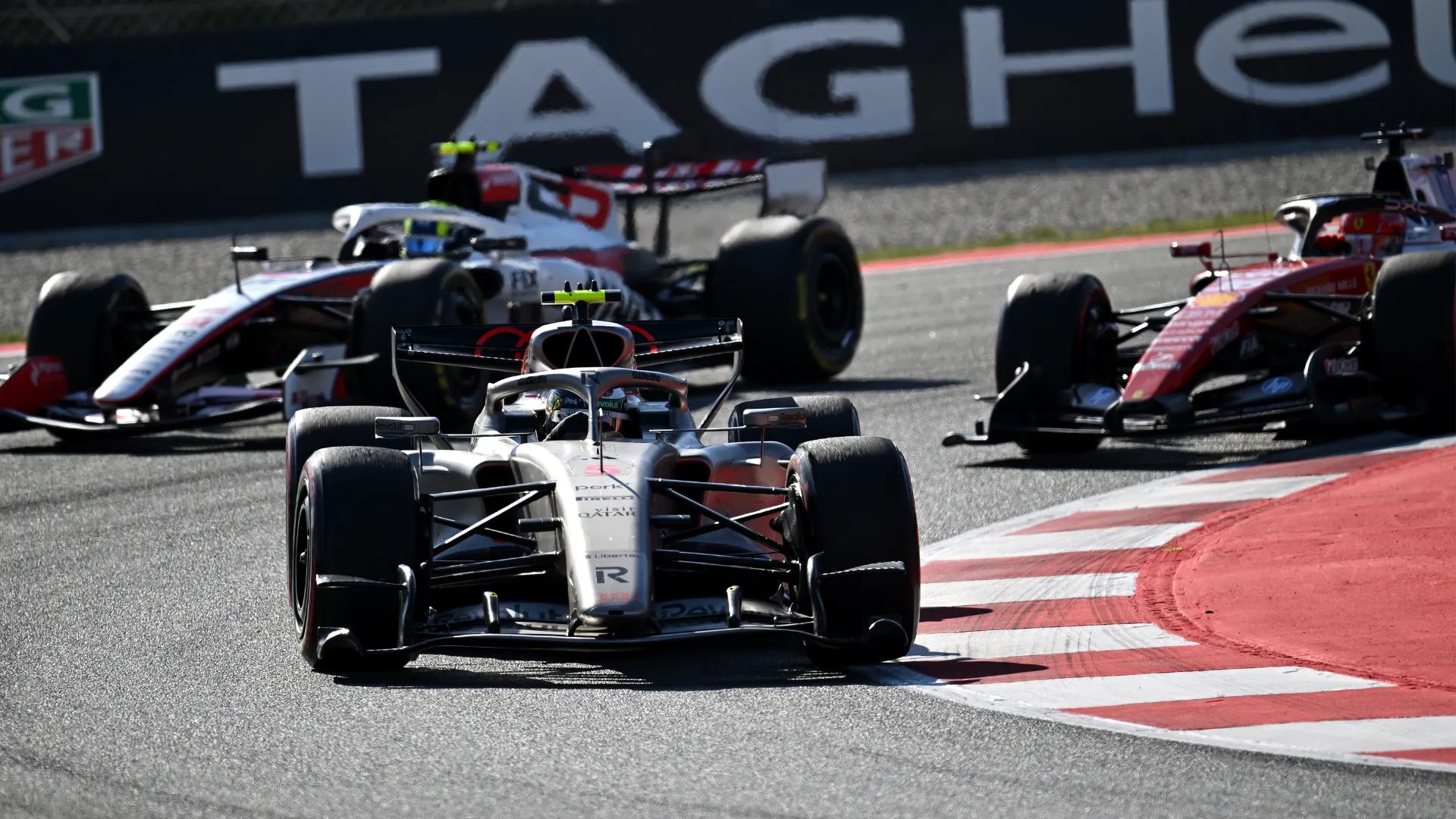
The best strategy is not the one with the fastest theoretical tires. It is the one that places those tires in usable track position.
Watch the gaps, not only the leader
Before a pit stop, look at the gap to the cars behind. A driver needs enough space to rejoin without losing time in traffic. That “pit window” can matter more than the condition of the tires themselves.
Once you watch degradation, warm-up and traffic together, the timing screens become a second race unfolding beneath the first.