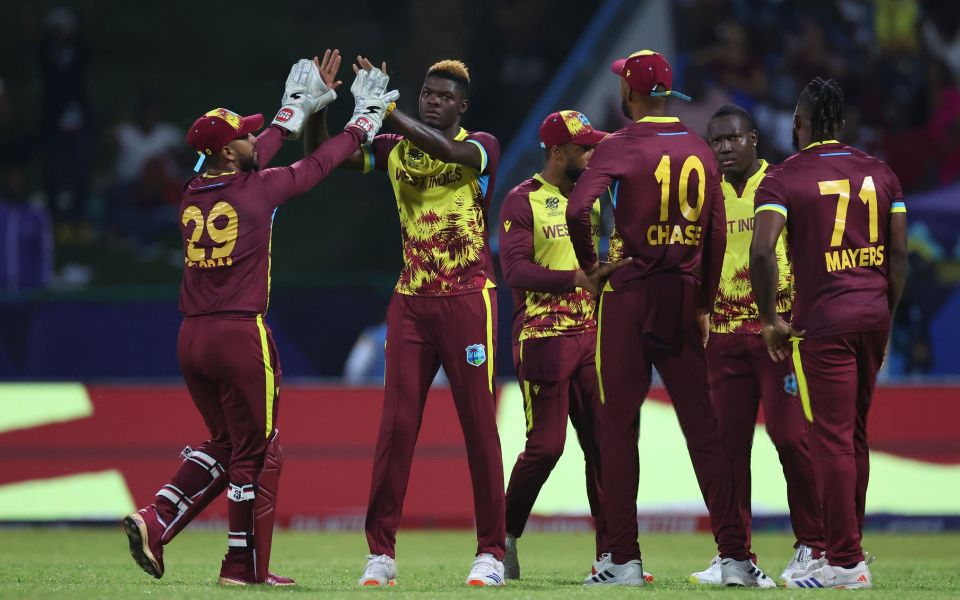
When Cricket West Indies (CWI) chief executive Chris Dehring invoked Carlos Brathwaite’s legendary four consecutive sixes from the 2016 T20 World Cup final to frame the board's new corporate overhaul, he pitched it as a moment for "bold, risk-taking strokes." Yet behind the corporate imagery lies a stark operational reality: Caribbean cricket is enduring a severe financial crunch that threatens its competitive core.
Austerity measures announced by the board hit every tier of the regional game. Central contract retainers for international men’s and women’s players will be slashed by 25 percent from October 2026 through September 2027. Domestic franchise player contracts have been squeezed from 12-month commitments down to seven-month agreements. Crucial developmental fixtures—including the Men’s Regional Super50 Cup and the Women’s T20 Blaze—have been suspended entirely for the current season, while the regional four-day red-ball tournament continues to operate in a compressed, truncated format.
Red Ink and Structural Deficits: The $54 Million Two-Year Bleed
The financial figures outlining CWI's deficit highlight a volatile economic cycle. In the fiscal year ending September 2024, CWI generated $80.27 million in ICC profit distributions, broadcast rights, and ticket sales by co-hosting the ICC Men's T20 World Cup, yielding an overall net profit of $22.6 million. However, without a major ICC event in 2025, revenue plunged by 54 percent—a $47.4 million collapse down to $40.88 million total income. That slide resulted in an audited net loss of $28.5 million for fiscal 2025.
The outlook for fiscal 2026 remains difficult, with CWI projecting an additional $26 million loss. Combined, this creates a two-year operational deficit exceeding $54 million. The structural vulnerabilities of Caribbean cricket are further amplified by geographic realities: Dehring revealed that CWI has spent more than $80 million on inter-island air travel over the last 15 years without securing a single corporate airline sponsorship to mitigate the expense.

To navigate this immediate cash crunch, CWI secured a $16 million emergency loan facility from the International Cricket Council (ICC)—with $12.82 million cited in secondary reports—structured across three tranches. However, the lifeline comes at a cost, carrying strict repayment terms and mandatory performance metrics.
"Our domestic tournaments as structured historically, where Cricket West Indies bears the entire cost of every national team and tournament... are simply unsustainable. The high cost of domestic travel and accommodation absorbs too much of our scarce resources every year instead of being deployed for the direct benefit of our cricket."
Tournament Suspensions, Contract Trims, and Offloaded Olympic Costs
The operational fallout from these cuts threatens the structural bridge between domestic talent and international readiness. Scrappings of the Super50 and T20 Blaze strip away vital match practice for emerging talent. Grassroots development, territorial board subsidies, community academies, and overseas "A" team tours have all seen funding scaled back or paused.
To prepare the senior men’s 50-over side for the critical 2027 ICC Cricket World Cup Qualifiers scheduled for February and March 2027, CWI is relying on ad-hoc arrangements, including a short white-ball series against an England A side this November followed by an isolated squad training camp.
| Area of Operation | Historical Baseline | 2026/27 Structural Reality |
|---|---|---|
| International Retainer Fees | 100% Retainer Value | 25% Fee Reduction (Oct 2026 – Sept 2027) |
| Domestic Player Contracts | 12-Month Annual Retainers | 7-Month Truncated Retainers (Oct – Apr) |
| Men's Super50 Cup | Annual Regional Tournament | Suspended for 2026 Season |
| Women's T20 Blaze | Annual Regional Tournament | Suspended; Top 4 sent to Pan Am Games |
| Olympic T20 Qualifiers | CWI-Funded Domestic Staging | Offloaded to National Olympic Associations/Govts |
In a notable pivot, CWI is shifting financial burdens for upcoming international multi-sport pathways directly onto territorial governments and national Olympic committees. Qualifying tournaments for the 2028 Los Angeles Olympics—where cricket returns as a T20 sport—will be staged as invitational events among CWI’s 10 member nations, with local governments, private corporate sponsors, and national associations footing the bill. Similarly, qualification for next year's Pan American Games in Lima was retroactively tied to the top four finishers from the 2025–26 domestic standings.
Governance Gridlock: The Patterson Principles vs. Political Conflict
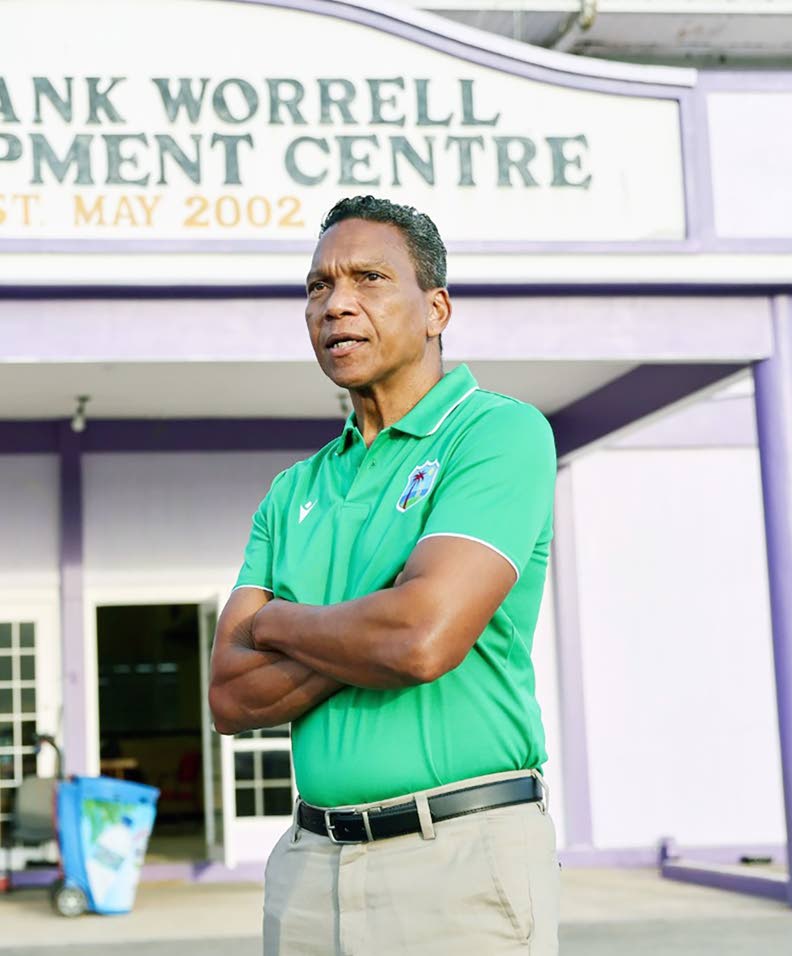
While executive leadership frames these cutbacks as prudent fiscal right-sizing, regional commentary and stakeholders argue the board is missing an opportunity for governance reform. Criticisms published by the Jamaica Gleaner targeted both the delivery and substance of CWI's public messaging, pointing out that major policy pivots should be answered directly by CWI President Dr. Kishore Shallow.
Shallow's position has faced scrutiny over a lingering conflict of interest. Eleven months ago, Shallow won a parliamentary seat in St. Vincent and the Grenadines and subsequently assumed a ministerial cabinet position within that nation's government. Despite holding a state office, he remains as head of CWI.
Critics argue that true long-term stability cannot be achieved through budget cuts alone while ignoring landmark governance reviews, specifically the Patterson and Wehby reports. The Patterson Report advocated recognizing West Indies cricket as a regional public good, requiring transparent, public-centered governance rather than self-serving territorial board structures. External consultancy firm Teneo has been retained by CWI to execute an organizational review of operations, policies, and personnel, but analysts contend that administrative restructuring without executive accountability addresses only the symptoms of the board's distress.
Evidence-Led Forecast: CWI's Survival Blueprint and the 2027 ODI Qualifier Risk
Likely Structural Pattern
Over the next 12 to 18 months, CWI will operate under tight fiscal constraints. Expect an increased reliance on private-sector partnerships, international invitationals, and state-funded Olympic initiatives to maintain basic competitive output. Senior international players facing a 25 percent pay cut will likely seek greater leeway to participate in global T20 franchise leagues, further straining player availability for bilateral series.
Decisive Matchup: Domestic Circuit Retention vs. Franchise Migration
The most crucial conflict over the coming year is the tension between domestic player retention and overseas franchise contracts. With domestic franchise retainers reduced to seven months, fringe regional players face financial pressure to pursue winter league opportunities abroad or transition out of professional cricket. If top domestic talent migrates permanently, the talent pipeline feeding the senior team will erode further.
Strongest Counter-Case
CWI’s long-term commercial strategy hinges on non-traditional revenue generation. If proposed high-performance centers (starting in Antigua), commercial expansion into North American markets like Canada, and proprietary technology installations like cricket simulators produce rapid returns, CWI could stabilize its cash flow earlier than projected, enabling a faster restoration of 12-month domestic contracts.
What Would Change the Read
A fundamental realignment of the ICC's revenue-sharing distribution model to favor non-Big Three boards would alter CWI's financial trajectory overnight. Domestically, should public pressure force Dr. Kishore Shallow to step down, it could trigger long-awaited governance reforms based on the Patterson principles, paving the way for state-backed regional equity funding.
Sources
These sources formed the evidence pack for this article. Links open the original publisher; inclusion does not imply endorsement.
- web4.jamaica-gleaner.com original
- kaieteurnewsonline.com original
- crictracker.com original
- jamaica-gleaner.com original