The Bureaucratic Progression at Korogi Sports Park
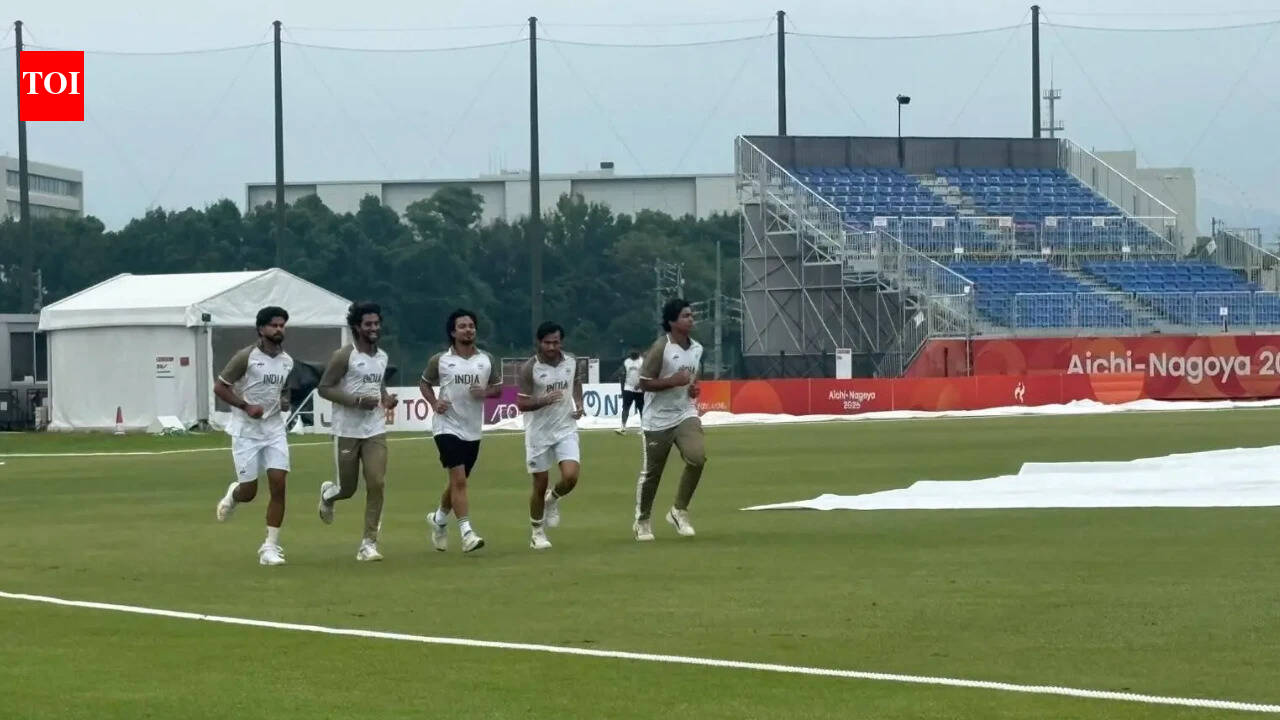
Under persistent grey skies in Nisshin, Japan, on Monday, September 28, 2026, the Asian Games men’s cricket tournament delivered the ultimate display of competitive efficiency without producing a single official delivery. A waterlogged outfield and relentless autumn rainfall at Aichi Prefectural Korogi Sports Park forced organizers to abandon two scheduled quarterfinal fixtures, propelling continental heavyweights India and Pakistan straight into the semifinals on the strength of administrative seeding and world rankings.
The second quarterfinal between defending gold medalists India and Afghanistan was officially abandoned 16 minutes before the scheduled toss. Minutes earlier, Pakistan’s opening knockout tie against Hong Kong China met the exact same fate. With zero overs possible, tournament regulations dictated that advancement be decided strictly by the official ICC Men's T20I Team Rankings. Top-ranked India (#1) systematically eliminated tenth-ranked Afghanistan, while sixth-ranked Pakistan progressed past 24th-ranked Hong Kong China.
Afghanistan's Familiar Disappointment and India's Rested Arsenal
For Afghanistan, the outcome carried a bitter sense of administrative deja vu. It marked the second consecutive Asian Games campaign where their medal ambitions were extinguished by weather against India. In Hangzhou in 2023, Afghanistan were forced to settle for silver after rain interrupted the gold medal match at 18.2 overs in the first innings, granting India gold by virtue of their higher tournament seeding. In Nisshin, Darwish Rasooli's second-string squad—depleted by the resting of key senior players ahead of an upcoming Test match against Bangladesh—never even got the chance to rectify their five-wicket group-stage loss to Nepal.

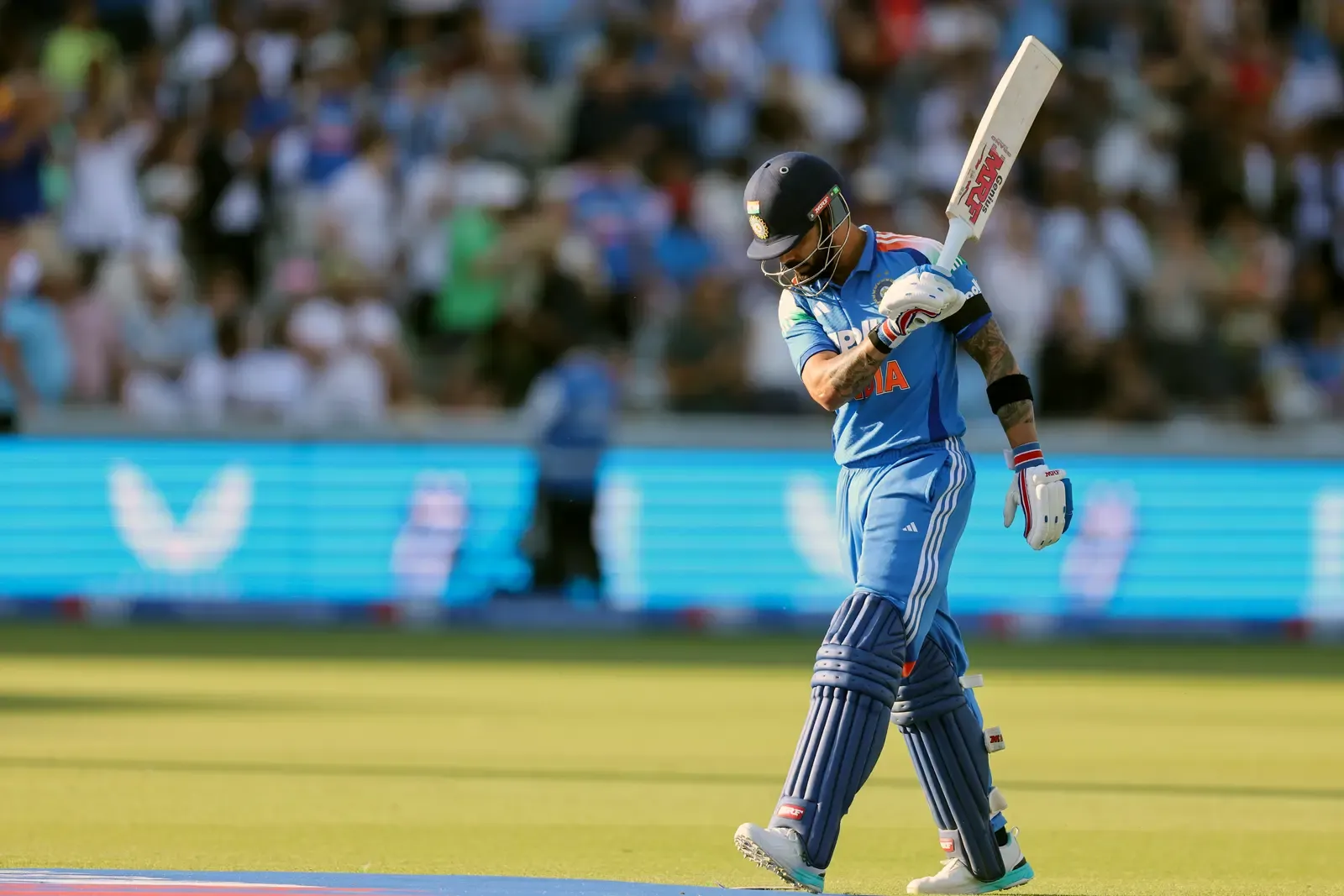
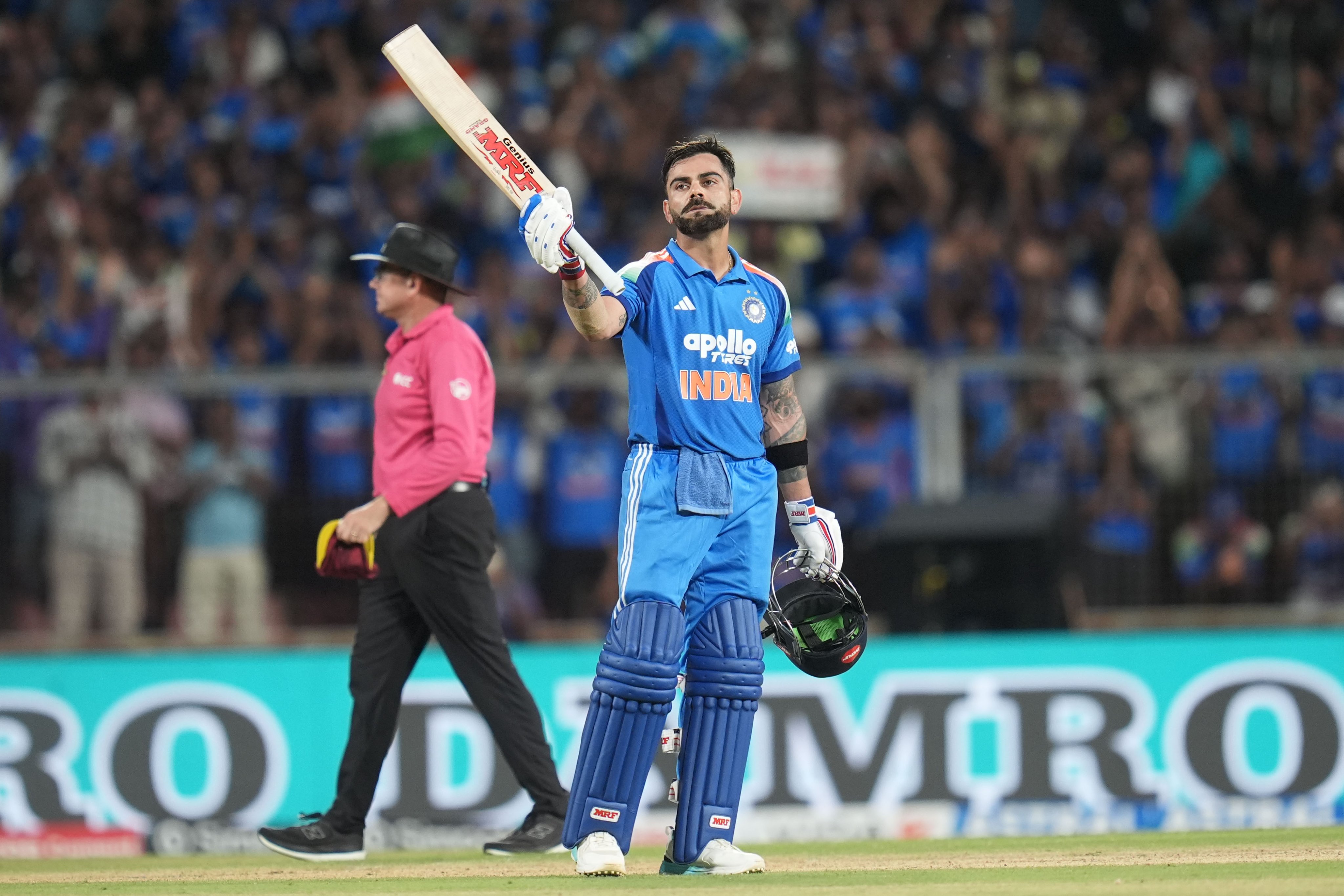
The washouts leave India in an unprecedented competitive rhythm. Led by Shreyas Iyer, the squad boasts a formidable lineup featuring elite pace bowler Jasprit Bumrah and 15-year-old batting sensation Vaibhav Sooryavanshi. Yet, heading into the final four, India have not played a single official tournament match, having only logged a friendly warmup victory over Japan last week. They arrived in Japan backed by dominant form, having swept Afghanistan 3-0 in a bilateral T20I series in New Delhi just two weeks ago, but remain entirely untested on Korogi Sports Park’s tournament strips.
The Bracket Ahead and Weather Safeguards for September 29
The remaining quarterfinal matches scheduled for Tuesday, September 29, place Sri Lanka against Nepal in the third quarterfinal and Bangladesh against Malaysia in the fourth. Should inclement weather continue to plague Aichi Prefecture, Sri Lanka and Bangladesh stand to gain identical direct passages to the semifinals as the higher-seeded sides in their respective matchups.
The administrative structure guarantees that the tournament will remain on schedule for its October 1 semifinal double-header at Korogi Sports Park, regardless of whether a ball is bowled in Tuesday's remaining fixtures.

| Matchup | ICC T20I Rank | Quarterfinal Status | Outcome |
|---|---|---|---|
| India vs. Afghanistan | #1 vs. #10 | Abandoned (16 min before toss) | India advances to Semifinals |
| Pakistan vs. Hong Kong China | #6 vs. #24 | Abandoned (Rain / Damp Outfield) | Pakistan advances to Semifinals |
| Sri Lanka vs. Nepal | Higher vs. Lower | Scheduled (Sept 29) | Rain rule applies if abandoned |
| Bangladesh vs. Malaysia | Higher vs. Lower | Scheduled (Sept 29) | Rain rule applies if abandoned |
Evidence-Led Tactical Forecast: October 1 Semifinal Pathways
Likely Tactical Pattern: On October 1, India will face the winner of the Nepal-Sri Lanka quarterfinal in the second semifinal, while Pakistan will contest the first semifinal against the winner of Malaysia-Bangladesh. If Sri Lanka and Bangladesh advance—either on the field or via seeding washouts—the semifinals will feature full-member heavyweight matchups. Given the heavy moisture absorbing into the Korogi Sports Park square, captains winning the toss will almost certainly choose to bowl first to capitalize on early seam movement and sidestep Duckworth-Lewis-Stern target math in potentially shortened games.
Decisive Matchup: India’s fresh pace attack, headlined by Jasprit Bumrah, against top-order batters adapting to damp, slow Japanese surfaces. Having swept Afghanistan 3-0 in New Delhi two weeks ago, India's top order—supplemented by youthful enterprise in 15-year-old Vaibhav Sooryavanshi—will look to dictate terms early if conditions allow a full 20-over contest.
Strongest Counter-Case: The primary threat to India and Pakistan is not tactical miscalculation, but rhythm deprivation. While opponents like Nepal or Sri Lanka may gain actual match overs on September 29 if weather clears, India and Pakistan will enter the semifinals having played zero competitive overs since arriving in Japan, outside of friendly warmups. Cold starts in high-pressure knockout environments routinely narrow skill gaps.
What Would Change the Read: A sudden shift to dry, solar-baked pitch conditions would strip away seam movement and favor spin-heavy setups. Conversely, continued localized squalls could trigger short five-over sprint matches where individual power-hitting spells outweigh established squad depth.
Sources
These sources formed the evidence pack for this article. Links open the original publisher; inclusion does not imply endorsement.
- grokipedia.com original
- nz.news.yahoo.com original
- yardbarker.com original
- timesofindia.indiatimes.com original