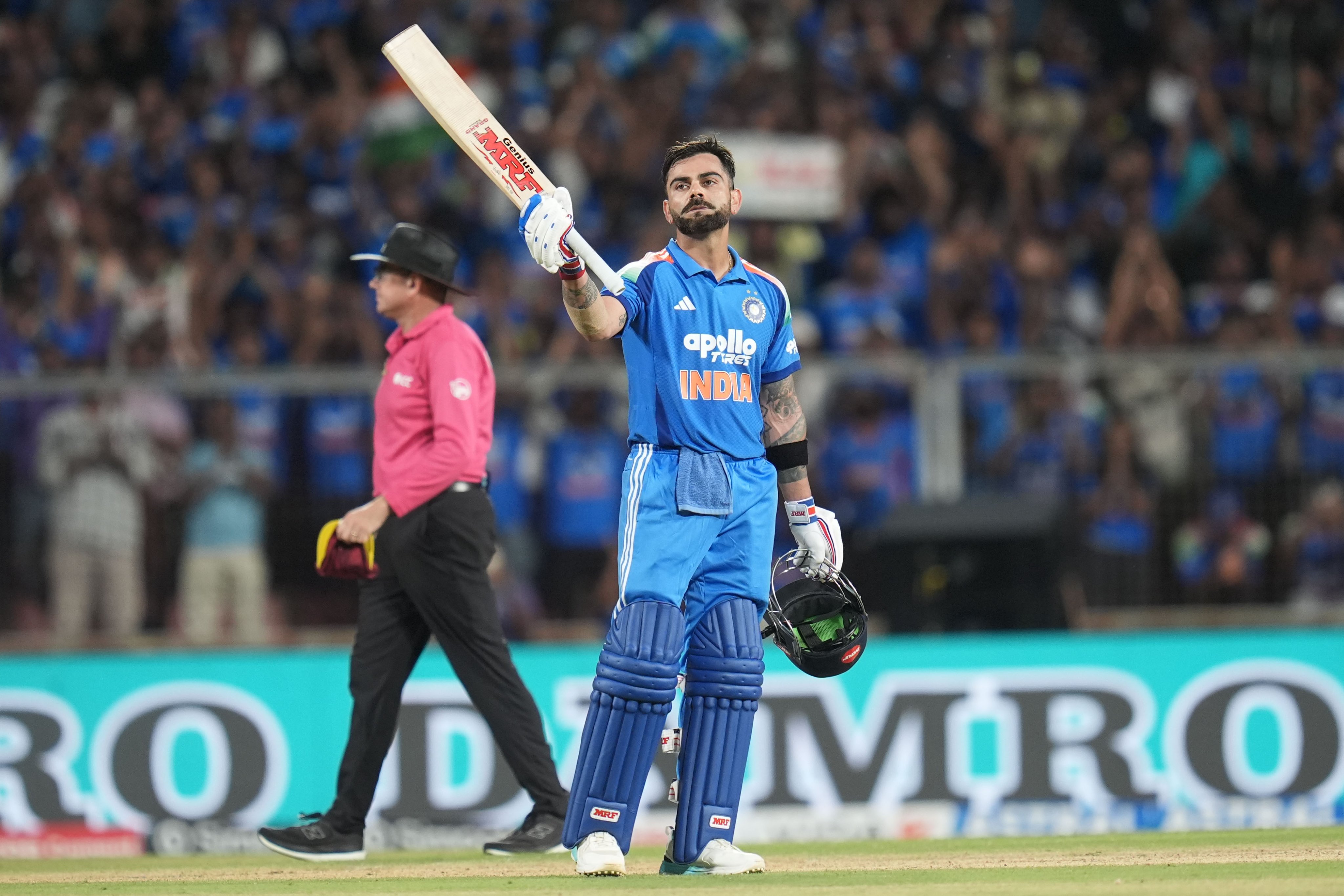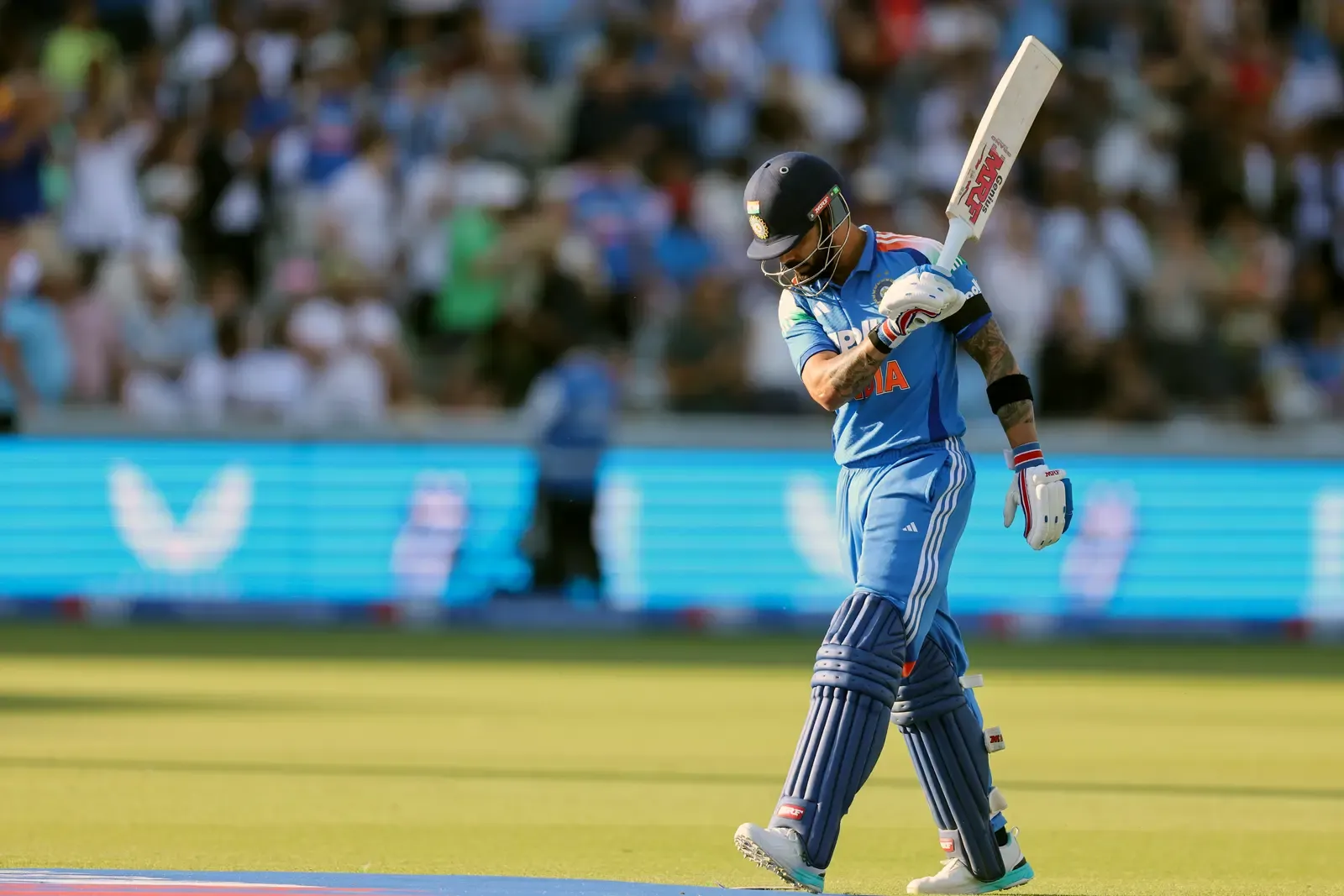
When Virat Kohli struck his personal-best ninth six against West Indies on Sunday in Thiruvananthapuram, he was doing far more than completing an eight-wicket chase with 50 balls remaining. Reaching his 55th ODI century with an unbeaten 139 off 88 balls, Kohli became only the second batter in history—after Sachin Tendulkar—to eclipse 15,000 runs in the 50-over format. Yet the milestone numbers capture only part of the story. The defining feature of Kohli’s performance in the opening match of the three-game series was the sheer velocity of his execution. Long celebrated as cricket's supreme run-chase technician through a formula of meticulous accumulation and late-overs acceleration, the veteran batter has deliberately disassembled his established anchor role to construct what he calls a "new version" designed to meet the escalating boundary demands of modern international cricket.
The Mechanics of Version 2.0: From Soak-and-Surge to Instant Release
For over a decade, Kohli’s ODI dominance relied on a predictable, relentless template: soak up early pressure, rotate strike through low-risk singles in second gear, and elevate the scoring rate once the opposition bowling attack tired. That formula produced unmatched stability, but recent statistical trends revealed a subtle drop in tempo, with his scoring rate hovering around 84.05 runs per 100 balls over the previous year—below his career baseline of 93.65.
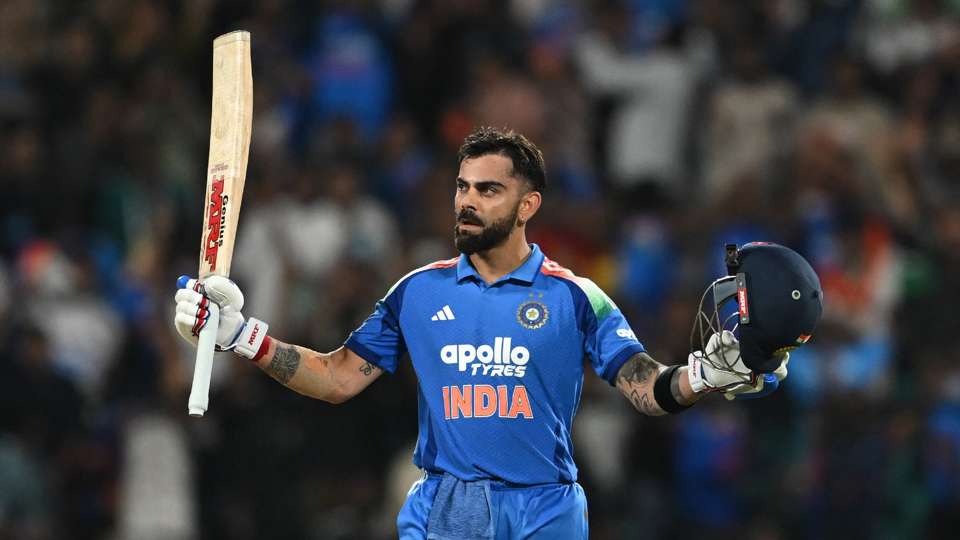
The tactical pivot emerged forcefully during India’s series against South Africa across Ranchi, Raipur, and Visakhapatnam. Across those three matches, Kohli accumulated 302 runs from 258 balls at a strike rate of 117.05, smashing two centuries and an unbeaten 65 in Vizag. Instead of delaying his assault, Kohli incorporated T20-style intent from his opening balls, unleashing lofted drives against pacers in the powerplay and taking on spin during the middle phase to compel opposition captains to alter field placements early.
Crucially, this surge in boundary volume has not dismantled his bedrock running discipline. In the Ranchi leg against South Africa, Kohli logged 40 singles, preserving the elite strike rotation that Indian team management identified as vital. Across that three-game series, he struck 24 fours and 12 sixes—a maximum volume he rarely stacked in such a short window even during his 2016 prime. That aggressive philosophy carried directly into Thiruvananthapuram, where his 55th century marked his third-fastest ODI hundred.
Mindset, Lineup Depth, and the Push for 360
Addressing his mental recalibration prior to the West Indies opener on September 26, Kohli revealed that the shift stemmed from a conscious desire to liberate his mindset. What's changed is, firstly, I promised myself that I'm going to play more freely. I'm not going to worry about the expectations that people might have around me,
Kohli explained in an interview with JioStar. He acknowledged that he had long internalised the anchor responsibility, even when his instincts urged him to push the tempo.
That evolution is tied directly to structural confidence in India’s current batting line-up. With deep batting orders becoming mandatory across elite white-ball setups, Kohli noted that conditions increasingly demand totals of 350 to 360. By shedding the self-imposed restriction of playing as the side's safety net—a freedom he credited to his recent IPL approach—he now targets early release shots without fear of leaving the middle order exposed.

This mental shift also mirrors Kohli’s perspective on young captain Shubman Gill. Praising Gill’s proactive tactical adjustments and unconventional bowling rotations under pressure, Kohli noted that leadership maturity comes with match experience, expressing confidence that Gill is built for a long term at the helm.
| Match Element | West Indies Innings | India Innings |
|---|---|---|
| Total Score | 295-7 (50.0 overs) | 300-2 (41.4 overs) |
| Top Scorers | Justin Greaves 101, John Campbell 62, Amir Jangoo 58* | Virat Kohli 139* (88b), Shubman Gill 110, Rohit Sharma 32 |
| Key Bowlers | Kuldeep Yadav 4-40 | West Indies Attack (2 Wickets) |
| Key Milestone | Justin Greaves Century | Virat Kohli: 15,000 ODI Runs & 55th ODI Century (9 Sixes, 10 Fours) |
Evidence-Led Tactical Forecast: Remaining ODIs vs West Indies
Likely Tactical Pattern: With India holding a 1-0 series lead after completing their 296-run chase with 50 balls to spare, expect India to double down on this aggressive posture in the remaining two ODIs. India's top order will look to attack the field restrictions during overs 1–10, aiming for mid-300 totals when setting a target or aggressively shrinking run chases when bowling second.
Decisive Matchup: Kuldeep Yadav vs West Indies Middle Order. Kuldeep’s 4-40 in Thiruvananthapuram single-handedly derailed a promising West Indies platform built by Campbell (62) and Greaves (101). How effectively West Indies handle Kuldeep’s wrist-spin in overs 11–40 will dictate whether they can set or defend scores against India’s high-gear batting lineup.
Strongest Counter-Case: West Indies possess proven boundary hitters, evidenced by Amir Jangoo’s unbeaten 58 and Greaves' ton. If West Indies win the toss, bat first on a flatter surface, and push their score beyond 340, India’s early boundary-hunting approach could test their middle-order resilience if early wickets fall.
What Would Change the Read: Early pitch dampness or persistent seam movement in the opening 10 overs would force Kohli and Gill to temporarily re-engage their classic strike-rotation template, delaying boundary surges until the ball softens.
Sources
These sources formed the evidence pack for this article. Links open the original publisher; inclusion does not imply endorsement.
- hindustantimes.com original
- nationpress.com original
- sporty.com original
- thedailystar.net original