The architecture of a Grand Slam fortnightly rarely unfolds along a straight line, and the latest dispatches from Flushing Meadows prove that early-round chaos remains the great equalizer. As the liveblogs capture the shifting momentum across the Deco Turf hardcourts, the narrative in New York is defined as much by how players handle disruptions as by how they strike the ball.
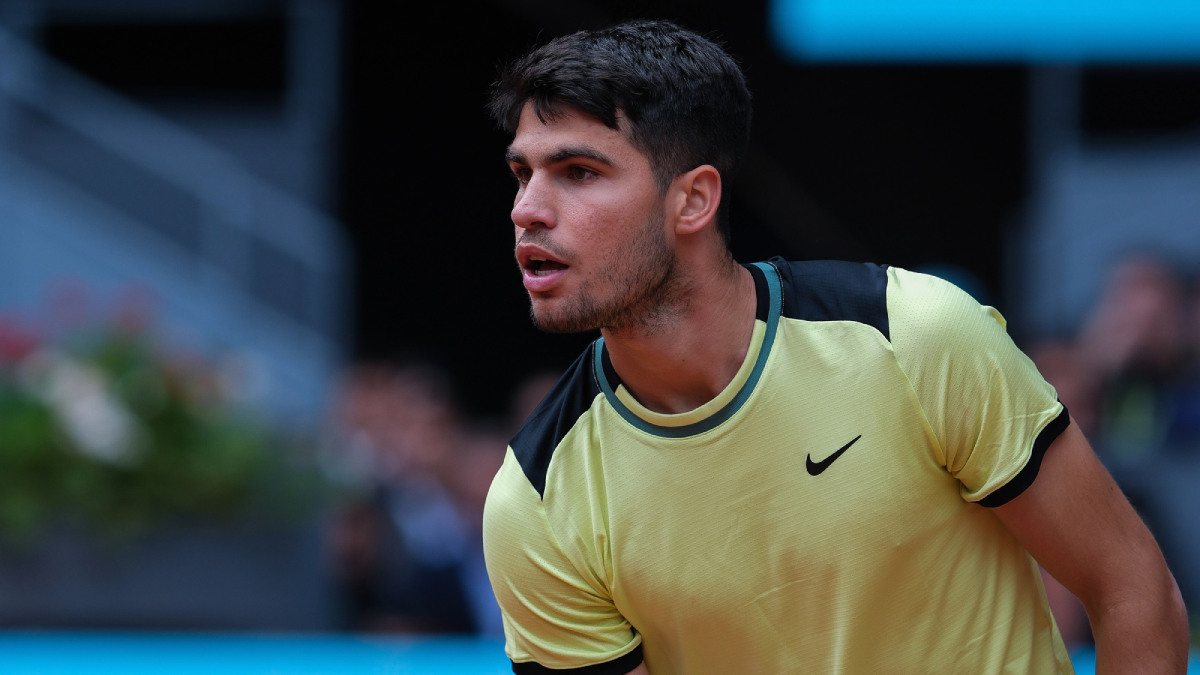
Carlos Alcaraz arrived at the USTA Billie Jean King National Tennis Center facing intense scrutiny. Following a lengthy layoff that kept him away from competitive tour matches for nearly five months, the Spanish star experienced what sources characterize as a swift wakeup call upon his return. Shaking off initial jitters and defying a traditional tennis adage about long absences, Alcaraz nonetheless found his range to advance in straight sets. Yet, the physical context surrounding his comeback—compounded by ongoing management of a wrist issue—suggests that translating raw talent into a seamless title defense will demand absolute tactical discipline as the rounds progress.
Meanwhile, veteran German competitor Tatjana Maria provided a masterclass in emotional control. Forced to endure a nerve-testing weather interruption during her opening assignment, the 39-year-old refused to let the scheduling break derail her rhythm. Returning to the court with renewed focus, Maria secured a hard-fought victory that highlights the resilience required to survive the grueling New York summer heat.
Contrast these survival stories with the starkly different fortunes elsewhere in the draws. While players like Eva Lys have fought through intense opening-match nerves to protect their ranking positions despite lingering illness, others face familiar hurdles. The overarching tension in New York centers on whether the sport's established hierarchy can withstand the physical attrition of a protracted season where player complaints over scheduling density have reached a deafening pitch.
The Tactical Landscape and the Frontrunner Burden
With Alexander Zverev stepping onto the Flushing Meadows property as the top seed—a historic novum for German tennis—the tactical microscope has turned toward his ability to embrace the role of the frontrunner. Analysts point out that Zverev's primary challenge has rarely been his baseline capability, but rather his historic reluctance to inject calculated risk into high-leverage exchanges. Paired with a draw that offers early breathing room, his tournament life will depend on whether he can lean into aggressive patterns rather than waiting for opponents to implode.
On the women's side, Aryna Sabalenka enters New York trying to convert dominant hardcourt metrics into her first major title of the season. Armed with a formidable tiebreak record and unmatched power on fast surfaces, Sabalenka's primary obstacle is maintaining emotional equilibrium against surging rivals like Iga Swiatek, whose mental reset under coach Wim Fissette has restored her predatory court presence.
- Alcaraz's Comeback Curve: Managing physical rust while retaining explosive baseline acceleration.
- Zverev's Top-Seed Test: Overcoming historical hesitance in critical breakpoint junctures.
- The Attrition Factor: Navigating New York's humidity and late-night scheduling pressures.
As the tournament settles past its initial storm of rain delays, crowd friction, and physical scares, the true test of endurance has only just begun. The margins between an early-round exit and holding the trophy on Championship Sunday will ultimately belong to those who can master the chaos of the grounds just as expertly as the demands of the racquet.
Sources
These sources formed the evidence pack for this article. Links open the original publisher; inclusion does not imply endorsement.
- tenniswetten.de original
- faz.net original
- joyn.at original
- bild.de original